


PCOS and weight loss: why it's harder and what works differently
Polycystic ovary syndrome (PCOS) affects up to 1 in 10 women of reproductive age, and one of the most consistently reported frustrations is difficulty losing weight — even with sustained diet and exercise effort. It’s not in their heads: PCOS fundamentally changes how the body processes energy, and standard weight loss approaches often work differently or more slowly.
What PCOS is, briefly
PCOS is a hormonal condition characterized by irregular menstrual cycles, elevated androgen levels (“male” hormones like testosterone), and, frequently, small cysts on the ovaries. Diagnosis requires at least 2 of these 3 criteria, plus ruling out other causes.
Why PCOS specifically makes weight loss harder
Insulin resistance is present in 65-70% of women with PCOS, regardless of weight — even lean women with PCOS can have significant insulin resistance. Chronically elevated insulin favors fat storage, especially abdominal, and increases cravings for carbohydrates. See more about insulin resistance.
Elevated androgens contribute to fat redistribution toward the abdominal area (an “android” pattern, similar to what happens at menopause, though through different mechanisms) and can indirectly affect motivation and energy.
Chronic low-grade inflammation, frequently associated with PCOS, interferes with satiety hormone signaling, making appetite control more difficult.
The compound effect: elevated insulin + inflammation + sleep disturbances (frequent in PCOS)
- possibly increased stress from symptoms create a hormonal environment that actively opposes weight loss through standard methods, even if the theoretical caloric deficit is correct.
What works differently with PCOS
Carbohydrate control matters more than for someone without insulin resistance. Not necessarily strict keto, but reducing refined carbohydrates and prioritizing low glycemic index options helps stabilize insulin more effectively than for people without PCOS.
Strength training becomes especially important. Increased muscle directly improves insulin sensitivity, addressing one of the fundamental causes of weight loss difficulty in PCOS. See the strength training guide.
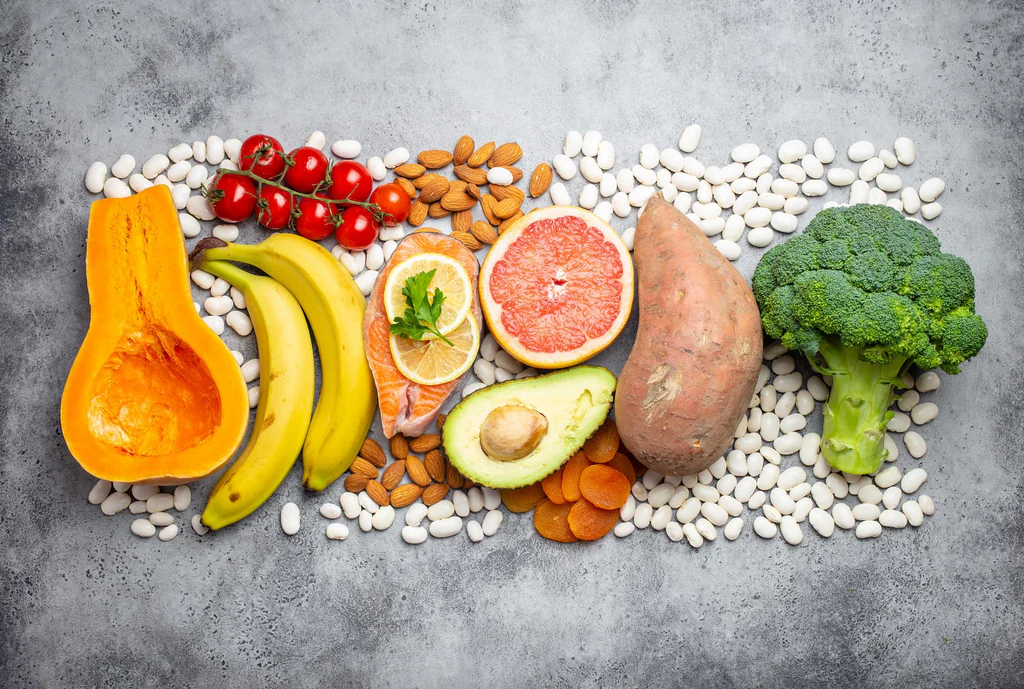
Protein and fiber at every meal help flatten the glucose spikes that worsen insulin resistance. The combination of protein + fiber + healthy fats, with moderate carbohydrates, tends to work better than meals high in simple carbohydrates.
Sleep becomes a factor with amplified impact. Insufficient sleep worsens insulin resistance in anyone, but the effect is more pronounced in women with PCOS, who already have a more fragile hormonal baseline.
Stress management isn’t optional. Chronically elevated cortisol directly interacts with insulin and androgens, worsening the overall hormonal picture of PCOS.
Medication and PCOS
Metformin, frequently used for insulin resistance in PCOS, can indirectly help weight loss by improving insulin sensitivity — but it’s not a “weight loss pill” itself and must be prescribed and monitored by a doctor.
Newer GLP-1 class medications (also used for diabetes and obesity) are increasingly studied specifically for PCOS, with promising results for some patients — the decision remains strictly medical and individualized.
How much weight loss helps PCOS symptoms
The good news: even modest weight loss (5-10% of body weight) can significantly improve menstrual cycle regularity, fertility, and metabolic markers in women with PCOS. You don’t need to reach an “ideal” weight to see real benefits — gradual progress matters.
What does NOT work (or worsens the problem)
Very calorically restrictive diets. Extreme restriction raises cortisol and can worsen the already-present hormonal imbalance, plus the risk of yo-yo effect is higher.
Excessive cardio without strength training. Can raise cortisol without addressing the root cause (insulin resistance) as effectively as strength training.
Ignoring sleep and stress in favor of exclusively diet and exercise — in PCOS, these factors have a disproportionately large impact.
Frequently asked questions
Do all women with PCOS have insulin resistance?
Not all, but most (65-70%), including some lean women. A fasting glucose and insulin test or a HOMA-IR test can clarify the individual situation.
Is the keto diet recommended for PCOS?
It can help through drastically reducing insulin, but it’s not the only effective option. A moderate-carbohydrate approach, with emphasis on low glycemic index, works for many women without the extreme restriction of keto.
Does PCOS go away if I lose weight?
It doesn’t “go away” completely — it’s an underlying hormonal condition — but symptoms (menstrual regularity, acne, excess hair) can improve significantly with weight loss and insulin resistance control.
How much harder is it to lose weight with PCOS versus without?
Varies individually, but studies suggest women with PCOS may need a somewhat more carefully managed caloric deficit and more patience, due to the additional hormonal factors involved.
PCOS doesn’t make weight loss impossible, but it changes what matters most: blood sugar control, muscle strength, sleep, and stress become just as important as the caloric deficit itself.
⚕️ The information in this article is for educational purposes and does not replace the advice of a gynecologist or endocrinologist. PCOS requires individualized medical diagnosis and monitoring.