

Insulin resistance explained in plain language and its link to weight
“Insulin resistance” is one of those expressions that sounds complicated and medical, but which explains why many people find it almost impossible to lose weight, no matter how hard they try. It’s a topic that’s increasingly discussed, including in relation to some weight loss medications, and it’s worth understanding correctly — because there’s a lot of confusion surrounding it.
Let’s explain it simply, without jargon: what it is, how it’s linked to weight, and, more importantly, what you can do about it. With one clear note from the start: diagnosis is made by a doctor, based on tests — not by an article or an online quiz.
What insulin actually is
To understand resistance, you first need to understand insulin. When you eat, especially carbohydrates, blood glucose (blood sugar) rises. The pancreas then releases a hormone called insulin, whose role is like a key: it unlocks cells so they can receive the sugar from the blood and use it as energy. This is how blood glucose returns to normal.
It’s an elegant system that works perfectly in most people. The problem arises when the “key” stops working well.
What “insulin resistance” means
Insulin resistance means your cells have become less sensitive to this hormone — they “don’t respond to the key” as well as they once did. To compensate, the pancreas produces even more insulin to achieve the same effect. The result: you constantly have elevated insulin levels in your blood.
Why does this matter for weight? Because insulin is also a hormone that promotes fat storage and inhibits fat burning. With insulin perpetually elevated, the body is pushed toward “storage mode,” and losing weight becomes harder. On top of that, large blood sugar swings cause frequent cravings, especially for sweet foods — exactly what sabotages any diet.
It’s a vicious cycle: excess weight can worsen insulin resistance, and insulin resistance makes losing weight harder.
The myth: “if I have insulin resistance, I can’t lose weight”
This is the myth that discourages people most — and it’s false. Insulin resistance makes weight loss harder, but it doesn’t make it impossible. In fact, losing weight is one of the most effective ways to improve insulin sensitivity. In other words, the very thing that seems blocked is also the solution — and the vicious cycle can be broken in the right direction.
Many people with insulin resistance lose weight successfully. It may take somewhat more effort and patience, but the underlying mechanism remains the same: a calorie deficit, built intelligently.
What you can control (and what genuinely helps)
The good news is that insulin resistance responds very well to lifestyle changes. Here’s what matters most:
- Weight loss itself. Even a modest reduction (5–10% of body weight) can significantly improve insulin sensitivity.
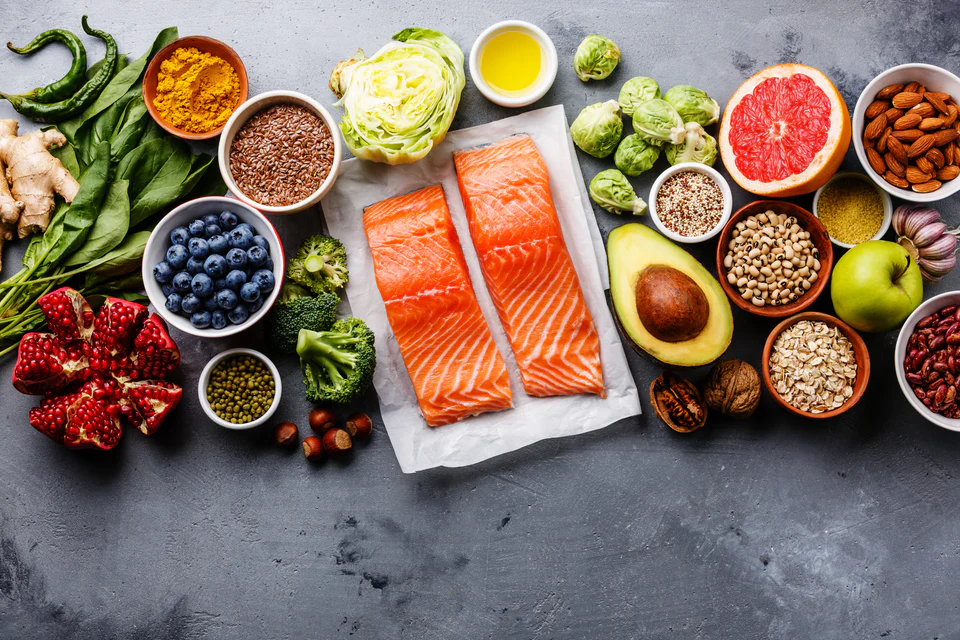
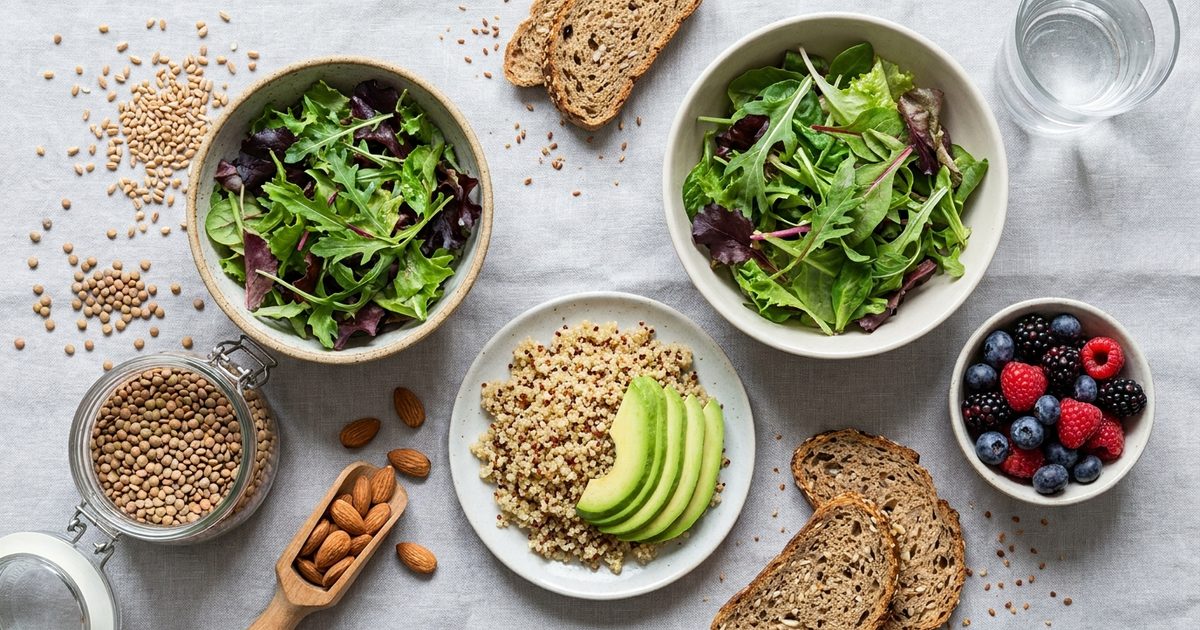
- More fibre, fewer refined sugars. Fibre flattens blood sugar spikes — which is why legumes, vegetables, and whole grains are powerful allies, while juices and sweets are enemies.
- Movement. Working muscles “consume” glucose without needing much insulin. A simple 15–20 minute walk after a meal reduces the blood sugar spike surprisingly well.
- Protein at every meal. It fills you up and reduces the sudden cravings that come from blood sugar swings.
- Sleep. Poor sleep worsens insulin resistance. It’s a piece many people overlook.
Signs that might be worth discussing with a doctor
Insulin resistance isn’t visible “to the naked eye” and is confirmed only through tests. But a few signs prompt doctors to suspect it: difficulty losing weight especially in the abdominal area, fatigue after meals, frequent sweet cravings, or certain skin signs. If you recognise yourself here, don’t self-diagnose and don’t take random supplements — get some tests done and have a conversation with your GP or an endocrinologist.
Frequently asked questions
Can insulin resistance be cured?
It can be significantly improved, often to normalisation, through weight loss, balanced nutrition, and movement. Many cases improve greatly without medication, but the decision and monitoring belong to the doctor.
Do I need to cut carbohydrates completely?
Not necessarily. The type of carbohydrate matters more than eliminating them entirely. “Slow” carbohydrates with fibre (legumes, vegetables, whole grains) are friendly; refined ones (sugar, white bread, sweets, juices) are what to reduce.
Do berberine or other supplements help?
Some supplements are studied for effects on blood glucose, but they have modest effects, can interact with medications, and don’t replace the foundation (diet, movement, weight loss). Don’t take them without a doctor’s advice — see also the article on berberine and glucomannan.
How do I know for sure if I have insulin resistance?
Only through blood tests interpreted by a doctor. Online tests and self-assessments can only guide you to book a consultation — they can’t make a diagnosis.
What is the link between insulin resistance and polycystic ovary syndrome (PCOS)?
Insulin resistance is very common in women with PCOS and is considered one of its central mechanisms. For this reason, many of the strategies that help with insulin resistance — weight loss, movement, reducing refined sugars — are also recommended for PCOS. Concrete management is handled with a gynaecologist or endocrinologist.
Does intermittent fasting help with insulin resistance?
For some people, yes, because it reduces the frequency of insulin spikes throughout the day. But it’s not mandatory and it’s not suitable for everyone — especially for people with blood sugar issues, who should try any change in eating pattern only under medical guidance. See also the intermittent fasting guide.
Insulin resistance isn’t a sentence, and it’s not an excuse to give up — it’s a useful explanation for why weight loss seems harder, and at the same time a map of what works: fewer refined sugars, more fibre, movement, and patience. The things that help insulin resistance are exactly the things that help weight loss, so the effort works in both directions.
⚕️ This information is for educational purposes only and does not replace medical consultation. Insulin resistance is diagnosed and treated exclusively by a doctor — consult a specialist for evaluation.