
Protein and weight loss: how much you actually need per kilogram
If you’ve read anything about weight loss in recent years, you’ve surely come across the advice “eat more protein.” It’s one of the few nutritional pieces of advice that almost everyone in research — from keto advocates to vegans — agrees on. But “more” is vague. How much does it actually mean, and why does it matter so much when you’re trying to lose weight?
Why protein matters more than other macronutrients while dieting
It protects muscle mass in a caloric deficit. When you eat fewer calories than you burn, the body looks for energy sources — and without enough protein, a significant portion of the weight lost comes from muscle, not just fat. Lost muscle means a slower metabolism, which favors the plateau and rapid weight regain after the diet.
It has the highest thermic effect of all macronutrients. The body burns approximately 20-30% of calories from protein just to digest and process it, versus 5-10% for carbohydrates and 0-3% for fats. A protein-rich meal “costs” more metabolically than the same amount of calories from other sources.
It satiates more than carbs or fats. Protein stimulates the release of satiety hormones (PYY, GLP-1) more effectively than other macronutrients, which reduces hunger and cravings — an essential factor for sustaining a caloric deficit without suffering.
How much protein you actually need
Recommendations vary based on goal and activity level:
- Sedentary, no weight loss goal: 0.8-1.0 g/kg body weight (minimum for basic health)
- Active, weight maintenance: 1.2-1.6 g/kg body weight
- Caloric deficit (weight loss) with moderate activity: 1.6-2.0 g/kg body weight
- Caloric deficit + intense strength training: 1.8-2.2 g/kg body weight
- Over 50 years old (regardless of activity): at least 1.2-1.5 g/kg body weight, due to increased anabolic resistance with age
Concrete example: a 70 kg person who is dieting and doing strength training should aim for 112-154 g protein per day.
The larger the caloric deficit (more aggressive dieting), the higher the relative protein needs — to compensate for the overall lack of available calories for muscle preservation.
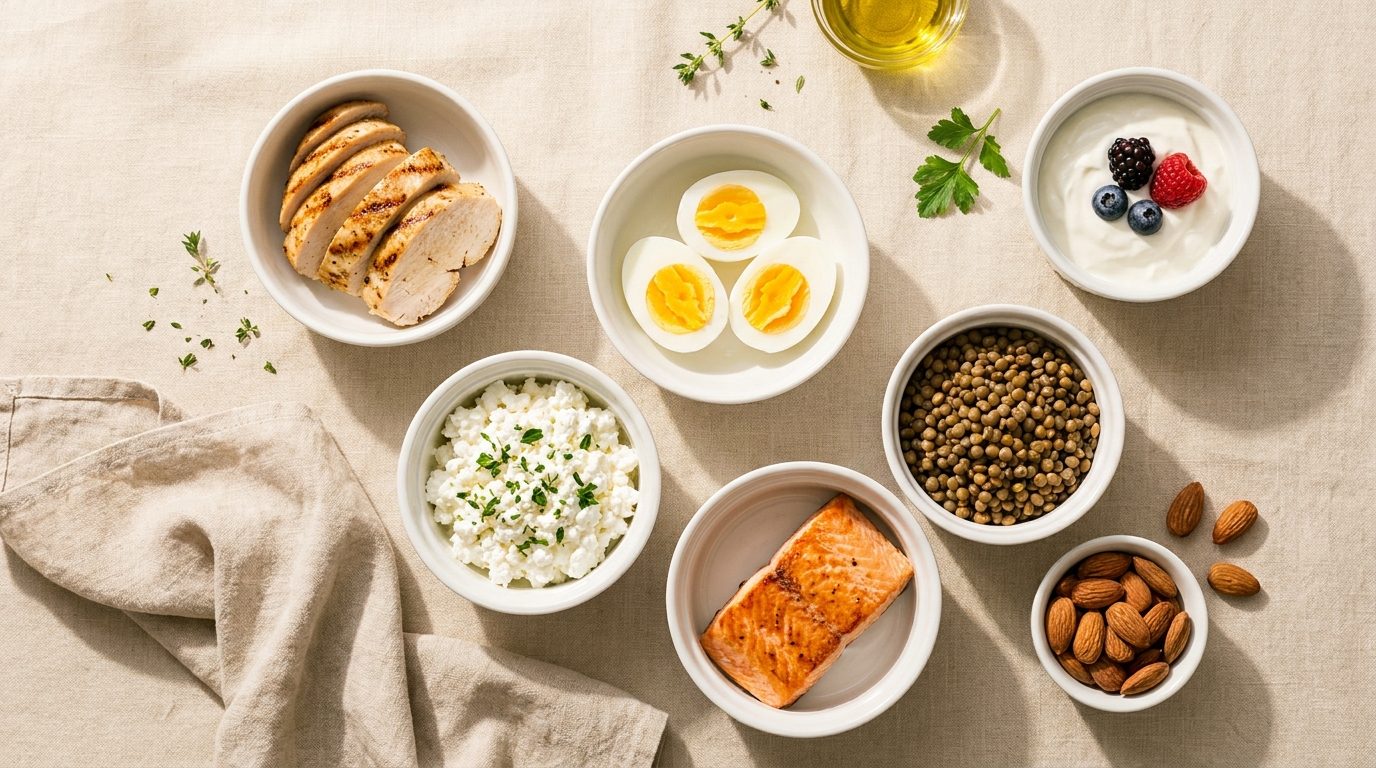
What 150 g of protein looks like in real food
- 200 g chicken breast: ~46 g
- 3 whole eggs: ~18 g
- 200 g Greek yogurt: ~20 g
- 150 g cottage cheese: ~26 g
- 100 g cooked lentils: ~9 g
- 30 g cheese: ~7 g
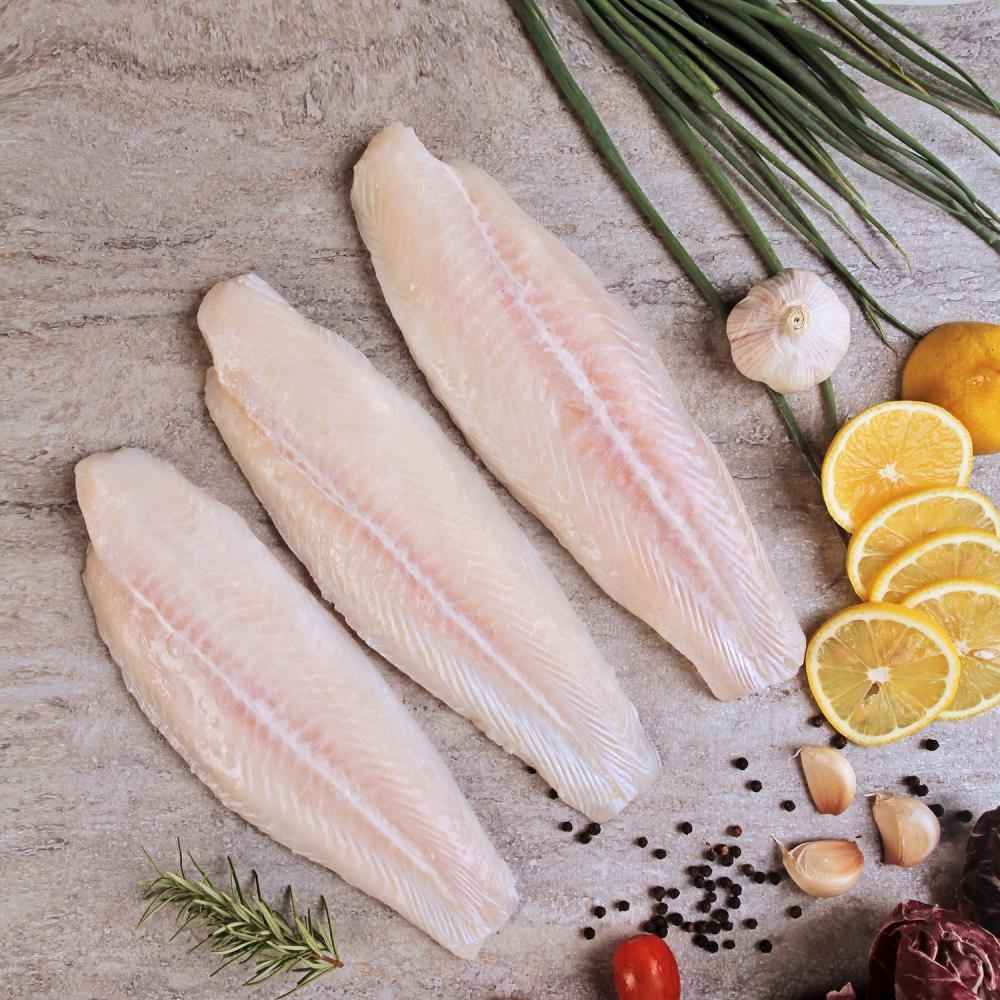
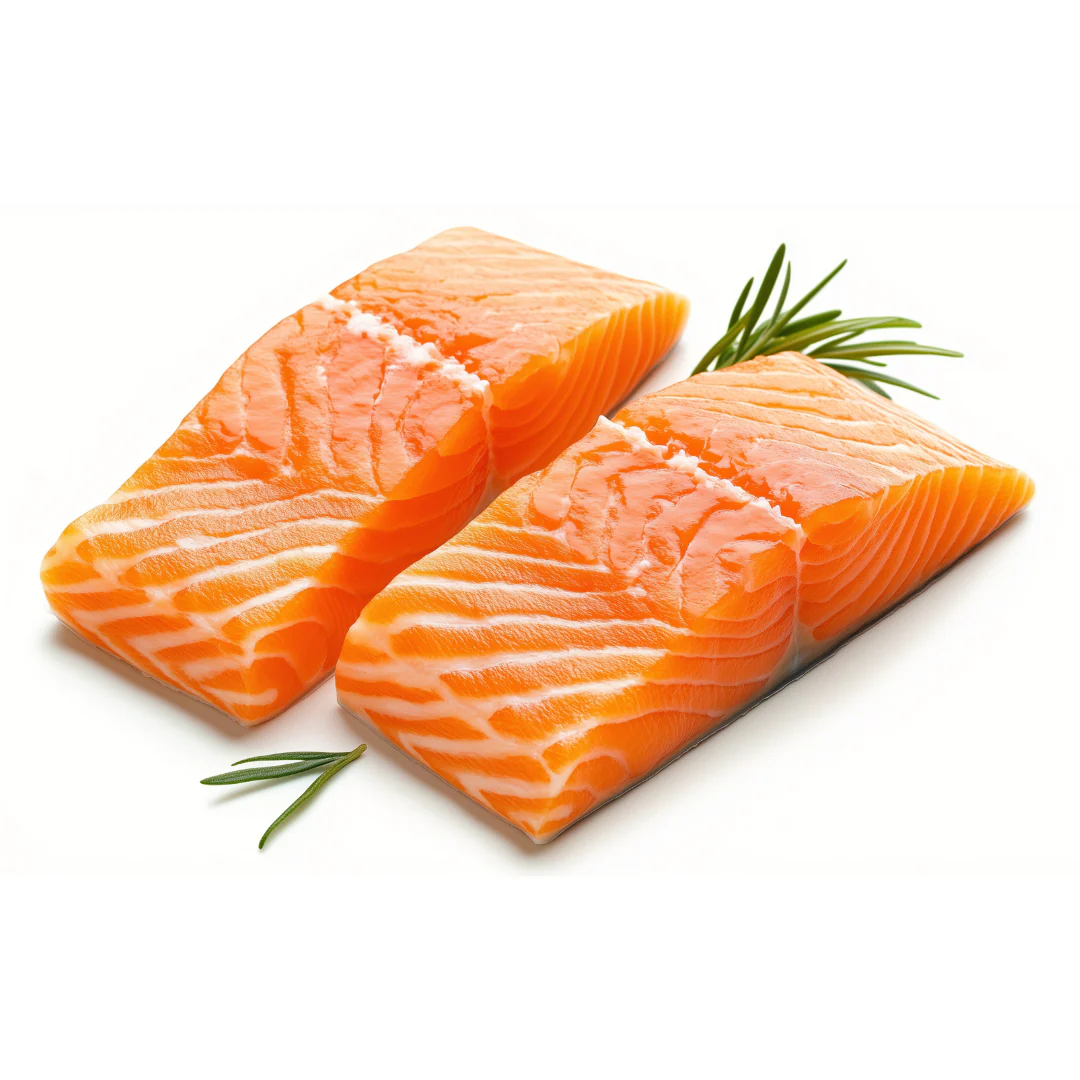
- 200 g fish (salmon, cod): ~40 g
Combining a few of these sources throughout the day, 150 g isn’t an extreme goal — it just requires conscious planning, not expensive supplements.
Good protein sources, by category
Animal (complete protein, high density): chicken breast, turkey, lean beef, fish, eggs, dairy products (Greek yogurt, cottage cheese, low-fat cheeses).
Plant-based (require combining for complete amino acid profile): lentils, chickpeas, beans, tofu, tempeh, quinoa, edamame. Combined with whole grains, they offer a complete amino acid profile.
Supplements (useful, not mandatory): whey or plant-based protein powder can help reach the daily target, especially for those with reduced appetite or a busy schedule. It’s not superior to protein from whole foods, just more practical in certain situations.
Common protein mistakes
Eating all your daily protein in a single meal. The body can efficiently process approximately 25-40 g protein per meal for muscle synthesis. Distributing it across 3-4 meals is more effective than one massive meal in the evening.
Confusing protein with “diet food.” Not all products labeled “high in protein” are automatically healthy — many protein bars or yogurts contain added sugar and sweeteners that don’t help the overall goal.
Ignoring protein at breakfast. A typical breakfast (bread, jam, coffee) is low in protein. A protein-rich breakfast reduces hunger throughout the morning and improves craving control at lunch.
Excess protein out of worry it’s “not enough.” Above roughly 2.2 g/kg body weight, the additional benefits for most people are minimal, and the excess can displace room for other important nutrients (fiber, healthy fats).
Protein for vegetarians and vegans
It’s entirely possible to hit high protein targets without meat or dairy, but it requires more careful planning — legumes, tofu, seitan, quinoa, and whole grains need to be combined strategically throughout the day for a complete amino acid profile. Plant-based protein powder (pea, rice, hemp) can be useful to fill the target without excessive food volume.
Frequently asked questions
Does too much protein damage the kidneys?
In people with normal kidney function, there’s no solid evidence that a high protein intake (up to 2.2 g/kg) harms the kidneys. People with pre-existing kidney disease should discuss with a doctor before significantly increasing protein.
Is protein from a supplement as good as from food?
Functionally, yes, for the purpose of hitting the daily target. Whole foods, however, bring other nutrients (fiber, vitamins, minerals) that powders don’t offer — which is why food remains the first option, with supplements as a practical add-on.
How quickly is muscle lost without enough protein?
It depends on the size of the caloric deficit and physical activity, but it can start visibly within a few weeks of sustained caloric deficit without adequate protein intake and without strength training.
Does protein help even without exercise?
Yes — even without training, additional protein partially protects muscle mass in a caloric deficit and increases satiety. The effect is significantly amplified with strength training.
Protein isn’t a magic trick, but it’s among the best-documented strategies for losing weight while preserving muscle and being less hungry along the way. Calculate your target based on your current weight and distribute it throughout the day.
⚕️ The information in this article is for educational purposes and does not replace the advice of a doctor or nutritionist.