
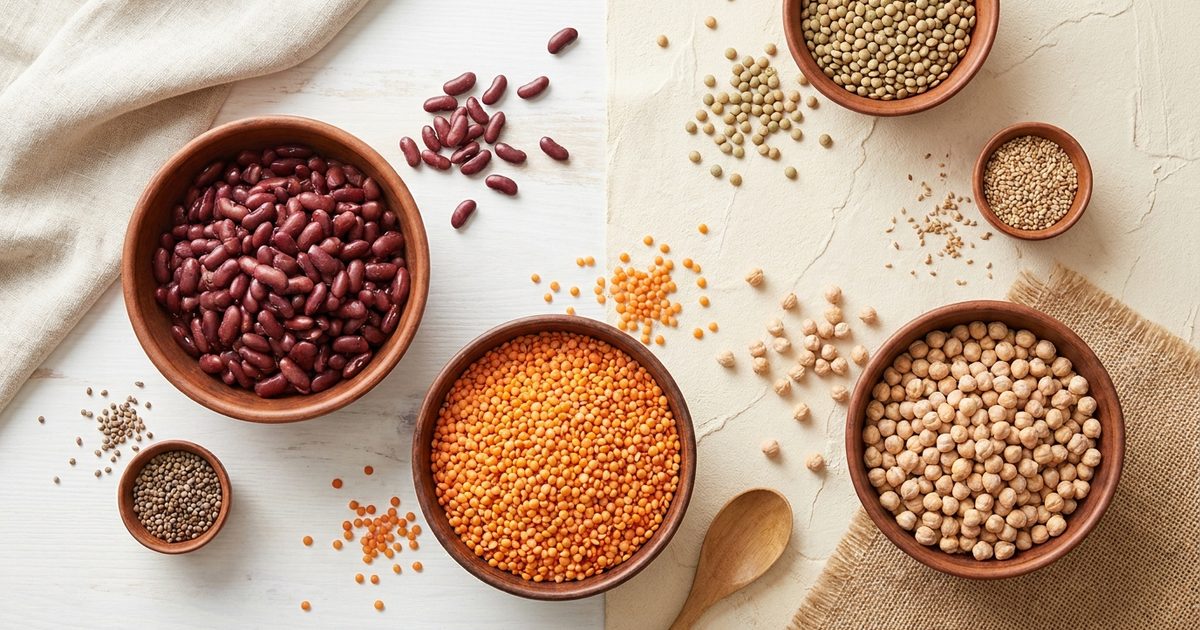
Beans, lentils, and chickpeas: why 2026 is the "year of legumes" for weight loss
If there were a perfect food for weight loss — cheap, filling, packed with protein and fibre, easy to find in any shop — you’d probably see it aggressively marketed, expensive, in glossy packaging. The irony is that this food has existed for thousands of years, costs just a few pence per kilogram, and sits forgotten on the bottom shelf: legumes. Beans, lentils, chickpeas, and peas are experiencing a wave of rediscovery in 2026, and nutritionists increasingly call them “the most underestimated weapon” against excess weight.
Let’s see why these ordinary pulses actually do what expensive supplements vainly promise — and how to put them on your plate without getting bored.
Why legumes help you lose weight
The secret of legumes lies in a rare combination: they are rich in both protein and fibre at the same time. Most foods have one or the other. This double punch makes them exceptionally filling.
Protein and fibre slow digestion and send the brain a “I’m full” signal much more powerfully than bread or pasta do. In practice, a bowl of bean stew keeps you full for three to four hours, without a sudden blood sugar spike and without the energy crash that follows. You feel satisfied with relatively few calories — exactly what you need to stay in a calorie deficit without suffering from hunger.
On top of that, the fibre in legumes feeds the good bacteria in your gut and supports healthy transit — part of the reason they feature in the fibre trend of 2026.
The numbers that matter
To put this concretely, here’s what you get from one cup of cooked legumes (approximately 180–200 g):
- Beans: ~15 g protein, ~15 g fibre, under 250 calories.
- Lentils: ~18 g protein, ~15 g fibre, ~230 calories.
- Chickpeas: ~14 g protein, ~12 g fibre, ~270 calories.
Compare with one cup of white rice: ~4 g protein, ~1 g fibre. The difference is overwhelming. A single serving of legumes covers half your daily fibre requirement (25–30 g) and a good portion of your protein — at the cost of a few pence. No protein shake and no fibre supplement gives you the same quality-to-price ratio.
The myth: “legumes make you gain weight because they’re full of carbohydrates”
This is the myth that drives many people away from beans and lentils. Yes, legumes contain carbohydrates — but they’re “slow” carbohydrates, accompanied by fibre, that digest slowly and don’t cause blood sugar spikes. They’re nothing like white bread or sweets.
In fact, it’s nearly impossible to gain weight from simply cooked beans or lentils: you feel full long before you’ve eaten too many calories. The problem never comes from the pulses themselves, but from how we cook them — with a lot of bacon, sausages, lard, or a lot of bread on the side. Bean stew “loaded” with extras is a different story from a portion of beans with onion and vegetables. The pulses don’t make you gain weight; the frying and add-ons do.
How to put them on your plate (without getting bored)
The beauty of legumes is how versatile they are. A few accessible ideas:
- Bean stew with onion, carrot, and tomatoes — classic, filling, cheap.
- Lentil soup with vegetables — a complete meal in a bowl.
- Hummus from chickpeas (chickpeas, tahini, lemon, garlic) — a snack or a filling sandwich spread.
- Chickpea salad with cucumber, tomatoes, onion, and olive oil — perfect in summer.
- Pea stew with chicken — double protein, plenty of fibre.
- Lentils as a side dish instead of rice, alongside a piece of fish or chicken.
See more ideas in the weight loss recipes article.
A small trick for those who “can’t digest them well”
Many people avoid legumes because they fear bloating. It’s a real problem, but one with a simple solution. If using dried beans or chickpeas, soak them overnight and throw away the water before cooking — this eliminates some of the compounds that cause gas. If using canned, rinse them well under running water. And, as with any fibre source, increase the quantity gradually: the gut adapts within a few weeks and the discomfort disappears.
Frequently asked questions
How much beans or lentils can I eat per day?
One cup cooked at one or two meals per day is perfectly reasonable for most people. Start with less if you’re not used to them, to avoid bloating.
Are canned legumes as good as dried ones?
Yes, nutritionally they’re very similar and far more convenient. One thing to note: rinse them well to reduce sodium and gas-causing compounds. They’re an excellent option for those who don’t have time to cook.
Can I replace meat with legumes?
Yes, partially. They’re an excellent source of plant protein, though their amino acid profile is slightly incomplete — which is why they combine well with grains (beans with polenta, chickpeas with wholegrain bread), which complement each other.
Does hummus make you gain weight?
Hummus has more calories than plain chickpeas, because of the oil and tahini. In reasonable quantities it’s an excellent and filling snack; the problem only appears if you eat it with a lot of bread or with a spoon, without measure.
Are legumes good for diabetics or for insulin resistance?
Generally, yes — precisely because they release sugar slowly and don’t cause large blood sugar spikes, legumes are among the foods frequently recommended in these situations. They have a low glycaemic index. However, any dietary plan for a medical condition should be established with a doctor; see also the article on insulin resistance.
Do peas and corn count as legumes too?
Peas, yes — they’re an excellent legume, rich in fibre and protein. Corn is actually a grain and has more carbohydrates, so it doesn’t fit in the same category, though it’s still a fibre source. For weight loss, peas are the better choice of the two.
If you want one new habit that will genuinely improve your diet, “eat legumes more often” is among the best bets: cheap, filling, packed with fibre and protein, and nothing exotic. Start with one meal per week featuring beans, lentils, or chickpeas and build from there — your wallet and your waistline will thank you.
⚕️ This information is for educational purposes only and does not replace the advice of a doctor or nutritionist. Nutritional values are approximate and vary depending on variety and preparation method.