
Keto diet: 7-day meal plan and what to eat to enter ketosis
Keto is one of the few diets that genuinely changes the way your body produces energy — and that’s precisely why it’s also the most misunderstood. Many people think “keto” means eating bacon at will and losing weight by magic. It’s not like that. It’s a diet with strict rules, real side effects in the first week, and a mechanism worth understanding before you start, not after you’ve quit in frustration.
In this article you’ll find what ketosis actually means, what to put on your plate concretely, a 7-day meal plan with ordinary foods from any supermarket, and what to do about the dreaded “keto flu.”
What the keto diet actually is
The ketogenic diet means very few carbohydrates — usually under 50 grams per day, sometimes under 30 — and a lot of fat. When you deprive the body of carbohydrates, it runs out of its preferred energy source (glucose) and is forced to switch to a Plan B: it burns fat and produces molecules called ketone bodies. This state is called ketosis.
Watch out for a common confusion: keto is not a “high-protein diet.” It’s a diet high in fat. Protein is moderate, and carbohydrates are almost non-existent. If you eat a lot of lean chicken breast with little fat, you’re on a different diet, not keto.
What you eat and what you avoid
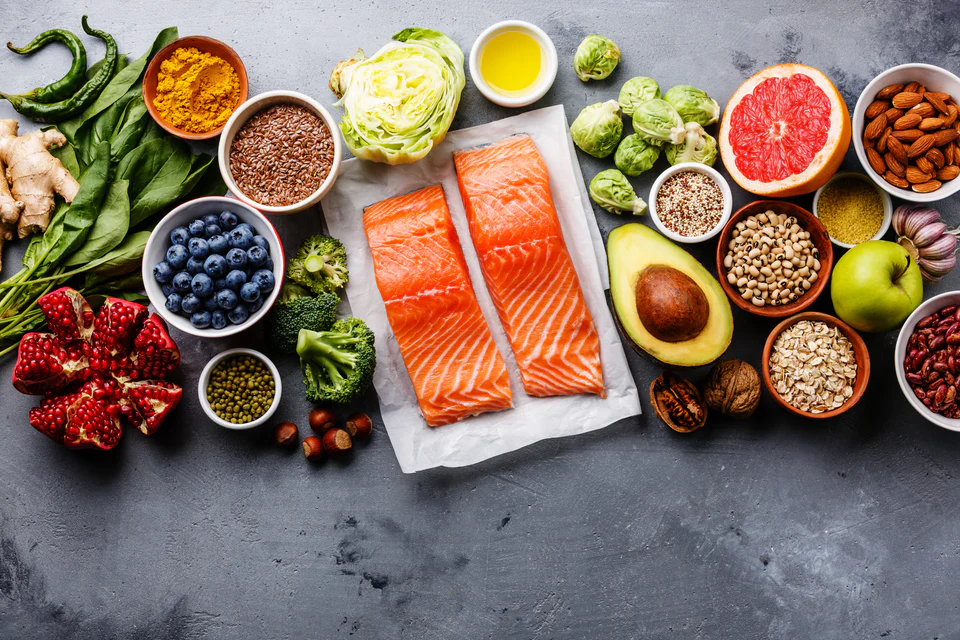
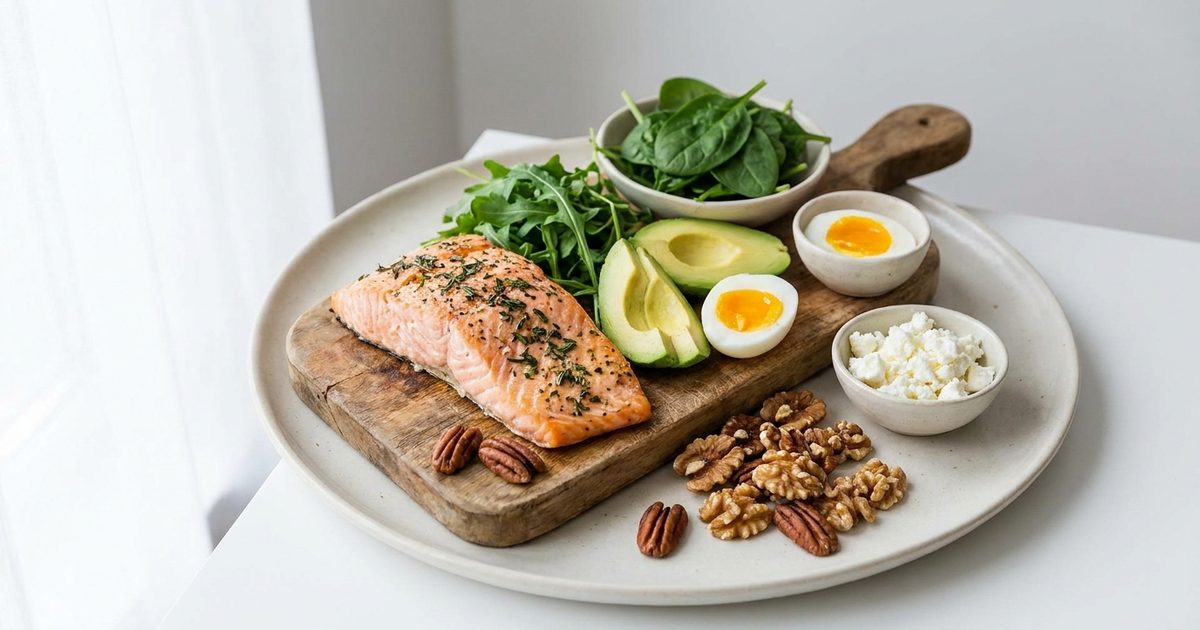
Allowed: meat, fatty fish (salmon, mackerel, sardines), eggs, cheese, cream, butter, olive oil, avocado, nuts and seeds, olives, and vegetables that grow above ground (broccoli, cauliflower, spinach, cabbage, zucchini, peppers).
Avoid: bread, pasta, rice, potatoes, sugar, honey, sweet fruit (bananas, grapes, large amounts of apples), legumes (beans, lentils, chickpeas), and almost everything processed and sweet. Yes, including “just a little slice” of bread — at 50 grams of carbs per day, the margin is small.
7-day keto meal plan
An indicative plan, with accessible foods:
- Day 1: eggs with bacon / salad with chicken and avocado / salmon with broccoli in butter.
- Day 2: cheese omelette / beef with green vegetables / chicken breast with salad and olive oil.
- Day 3: full-fat yogurt with nuts / tuna with mayonnaise and green salad / pork chop with cauliflower.
- Day 4: fried eggs with avocado / cream of broccoli soup with sour cream / baked fish.
- Day 5: omelette with spinach / burger without bun with cheese / grilled chicken with salad.
- Day 6: feta cheese with olives and tomatoes / Greek salad with olive oil / beef with mushrooms.
- Day 7: eggs with bacon / salmon with salad / chicken skewers with grilled vegetables.
See the pattern: protein + fat + green vegetables at every meal, with nothing starchy or sweet.
How long it takes to enter ketosis and the “keto flu”
It generally takes 2–4 days of drastically reduced carbohydrates to enter ketosis. You’ll notice a few signs: more stable energy (after the hard phase), reduced sugar cravings, and sometimes a slightly metallic taste or distinctive breath smell — a classic sign of ketone bodies.
Here’s the part that ads hide: in the first few days, many people go through the “keto flu” — fatigue, headaches, irritability, sometimes dizziness. It’s not a disease and it doesn’t mean the diet “doesn’t suit you;” it’s the body adapting to its new energy source and, on top of that, eliminating a lot of water and electrolytes. The practical solution: drink plenty of water and add a little salt (a pinch of salt in water or a salty soup helps surprisingly well). It usually passes within a few days.
Realistic results and the biggest myth
Here’s the myth that fools everyone in the first week of keto: “I lost 3 kg in 4 days, so it’s burning fat like crazy.” No. Those kilograms are largely water. Carbohydrates are stored in the body as glycogen, and each gram of glycogen holds 3–4 grams of water. When you cut carbs, you deplete reserves and eliminate the water — hence the spectacular early drop.
After the water effect passes, real weight loss is still 0.5–1 kg per week, just like any diet, and it comes from the same calorie deficit. Keto isn’t magic; it’s just that, for many people, fats and proteins are very satiating, which makes it easier to eat less without feeling plagued by hunger.
Frequently asked questions
How quickly will I enter ketosis?
Usually in 2–4 days, if you keep carbohydrates under ~50 g per day. For some it takes longer, depending on activity and how strict they are about hidden carbs (sauces, starchy vegetables).
Can I eat fruit on keto?
Very limitedly. Most fruit is too high in sugar. The exceptions, in small quantities, are berries (blueberries, raspberries, strawberries) — a few pieces, not a whole bowl.
Is keto dangerous?
For healthy people, done correctly, usually not in the short term. But it’s not recommended for those with kidney problems, liver issues, or diabetes without medical clearance, because it seriously alters metabolism.
Why did I stop losing weight after the first week?
Because the first week was largely water. After that, fat loss begins, which comes out much more slowly. It’s normal, not a failure.
Can I follow keto long-term?
Some people follow it for months, others use it only at the start and then switch to a more flexible diet. The real challenge of keto isn’t entering ketosis — it’s tolerating the restriction. No bread, pasta, rice, fruit, or sweets for an extended period. Many give in not because “it doesn’t work,” but because the restriction becomes socially and psychologically hard to bear. If it’s making you miserable, a diet with a moderate deficit and fewer restrictions can produce similar results with less frustration.
If you want to try keto, treat the first week as an adaptation period, not as a verdict. Stay hydrated, salt your food, be patient with the keto flu, and don’t be fooled by the water figure on the scale. See the full protocol at Keto Diet and calculate your requirements with the calorie calculator.
⚕️ The keto diet is not recommended for people with kidney, liver, or diabetes issues without medical clearance. This information is for educational purposes only — consult a specialist before starting.