


Bioimpedance scales: how accurate are they and how to read them right
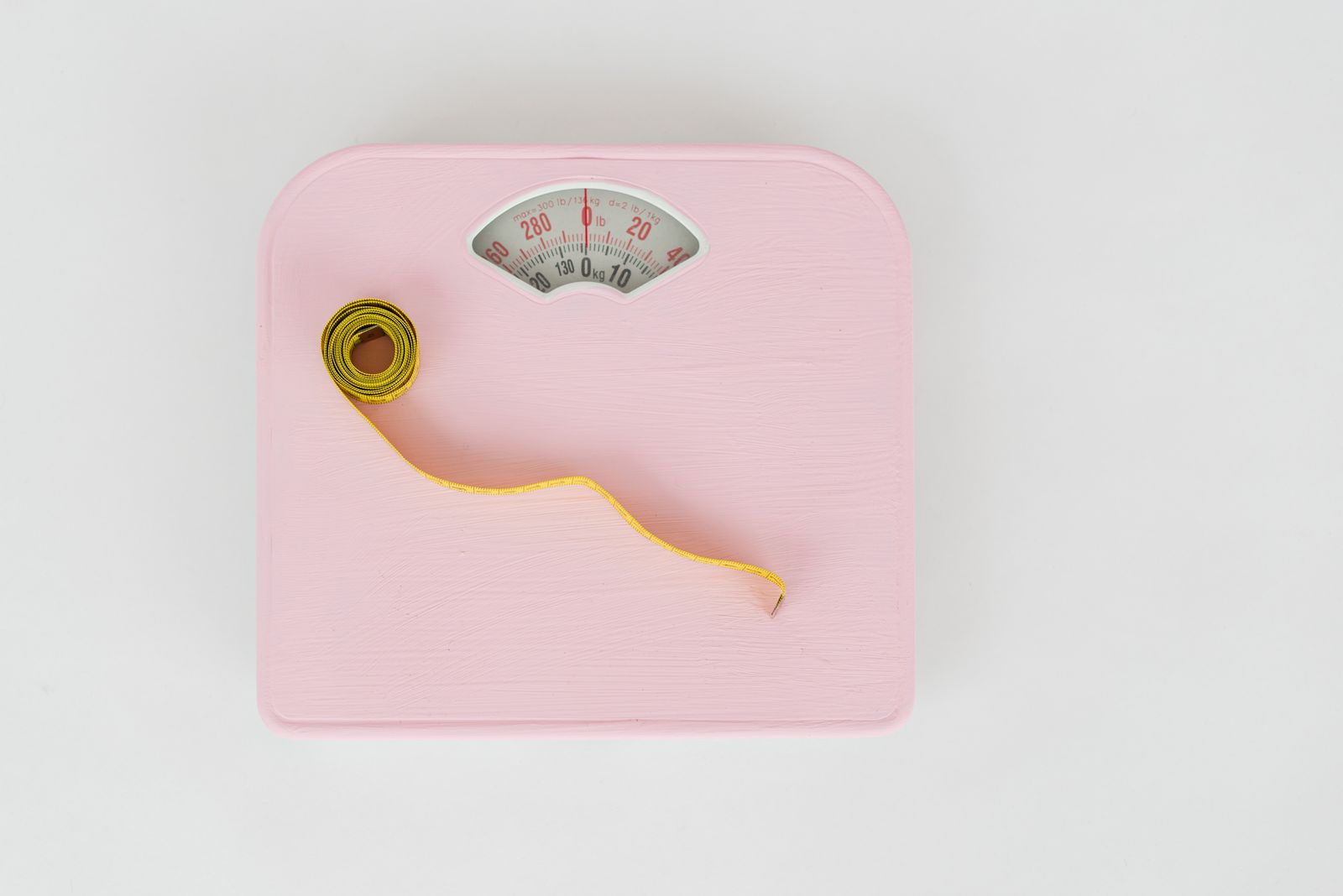
A home bioimpedance scale tells you, in a few seconds, your body fat percentage, muscle mass, body water, and sometimes even your “metabolic age.” The numbers seem precise and scientific — but how much can you actually rely on them when tracking a diet’s progress?
How bioimpedance works
The scale sends a weak, painless electrical current through the body — from one foot to the other (or, on handle models, from hand to hand). Muscle tissue and water conduct electricity easily; fat conducts it more poorly. By measuring resistance to this current, the device estimates body fat percentage through an algorithm based on statistical formulas.
The key word is “estimates” — the device doesn’t directly measure fat, it infers a plausible percentage based on electrical resistance, combined with entered data (age, sex, height, weight).
How accurate it actually is
Compared to methods considered the “gold standard” (DEXA scan, hydrostatic weighing), home bioimpedance scales typically have an error margin of 3-8 percentage points for body fat percentage. So if your actual percentage is 25%, the scale might show anywhere between 17% and 33%, depending on the model and conditions.
Professional models, used in clinics or specialized gyms, are more accurate (2-4% error margin), but still don’t match the precision of a DEXA scan.
What affects measurement accuracy from day to day
Hydration. The current passes differently through the body depending on how hydrated you are. Drinking more water before weighing = different reading than dehydrated.
Time of day. In the morning, upon waking, the body is usually less hydrated than in the evening. Measurements at different times of day aren’t directly comparable.
Recent food and drink. A recent meal or fluids consumed temporarily change water distribution in the body, affecting the reading.
Recent exercise. Sweating and blood flow changes from recent exercise distort the measurement for several hours.
Menstrual cycle. Water retention associated with different cycle phases can significantly change results from one week to another.
Body position and temperature. Cold or damp feet can affect conductivity and distort the result.
How to use the scale correctly despite its limitations
Even if the absolute number isn’t perfectly accurate, the scale can be useful for tracking the trend over time, if you maintain consistent conditions:
- Weigh yourself at the same time, usually in the morning, upon waking, before eating or drinking
- Use the same hydration conditions (not right after exercise or a large meal)
- Compare the 1-2 week average, not individual daily readings
- Use the same device/model consistently — comparisons between different devices aren’t valid, each has its own algorithm
Interpreted correctly, even if the exact “22.3% fat” number isn’t perfectly accurate, a consistent decrease in this percentage over several months is a real progress signal, even if the absolute number differs from reality.
Bioimpedance scale vs. other methods
Simple weighing (total weight): The simplest, but doesn’t differentiate between fat lost and muscle lost — a problem especially if you’re doing strength training and gaining muscle while losing fat.
Tape measurements (waist, hips, arms): Very accessible and surprisingly useful for tracking body composition changes, even without knowing the exact fat percentage.
Progress photos: Subjective, but useful for observing visual changes that numbers don’t always capture.
DEXA scan: The most accurate, but requires scheduling at a specialized clinic and costs money — not practical for frequent tracking, useful as an occasional reference point.
Skinfold calipers: Requires experience for consistent measurements, but can be as accurate as home bioimpedance if done correctly and by the same person each time.
What NOT to do with these numbers
Don’t panic over a single unusual reading. A 3% fat increase from one day to the next is almost certainly measurement error, not a real body composition change (fat can’t accumulate that fast).
Don’t compare your number to someone else’s on a different device. Each model has its own algorithm and its own systematic errors — direct comparisons between people with different devices don’t make sense.
Don’t make major diet decisions based on a single measurement. Use the trend over weeks or months, not an impulsive reaction to an isolated reading.
Frequently asked questions
Why does my scale show a different fat percentage than another device?
Each manufacturer uses a different algorithm and calibration database. There’s no universal standard between brands, so direct comparisons aren’t valid.
Should I buy a more expensive scale for better accuracy?
More expensive models (with more electrodes, at hands and feet) tend to be somewhat more accurate than simple ones with only foot electrodes, but no home model comes close to the accuracy of a DEXA scan.
Does the “metabolic age” shown by the scale mean anything real?
It’s a marketing figure based on comparing your estimated metabolic rate to averages for different ages — interesting as motivation, but doesn’t have rigorous medical validity.
How often should I weigh myself with bioimpedance?
Once a week, under the same conditions, is enough to track the trend without obsessing over normal daily fluctuations.
A bioimpedance scale isn’t useless, but it should be treated as a relative tracking tool, not a precise lab result. Consistency in how and when you measure matters more than the exact number displayed on any single day.
⚕️ The information in this article is for educational purposes and does not replace the advice of a doctor or nutritionist.