
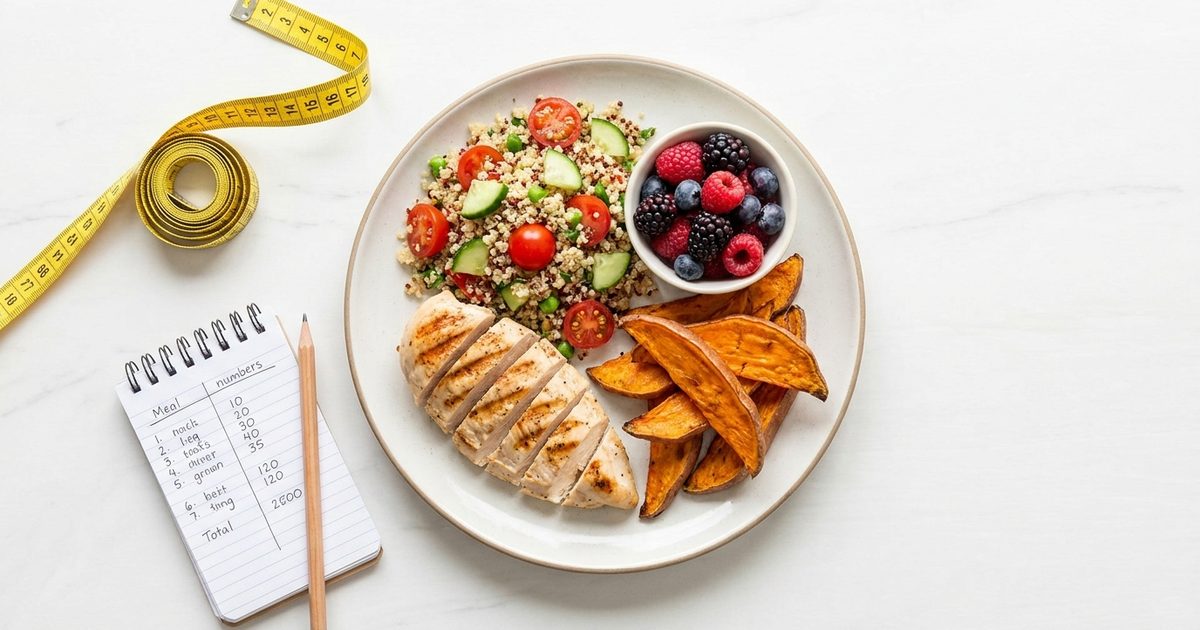
Why calorie counting can sabotage you and what to do instead
Calorie counting is often presented as the ultimate weight loss solution: download an app, log everything you eat, and the kilograms disappear. In principle, it’s correct — a calorie deficit really is the mechanism behind weight loss. In practice, however, for very many people, obsessive calorie counting becomes an obstacle rather than a help. Paradoxically, the tool that’s meant to help you ends up being why you quit.
Let’s look at why this happens and, more importantly, what you can do instead to stay in a deficit without living with your phone in hand at every meal.
Calorie counting is less accurate than you think
The first reason it can sabotage you is that the numbers you trust so much are approximate. Nutritional labels have a legally permitted margin of error of up to 20%. The “medium” apple you enter in the app may have 30% more calories than you estimate. The amount of oil in the pan, the sauce, the cooking method — all of these change the result. In other words, the “1,500 calories” you see in the app may actually be 1,300 or 1,800.
This doesn’t mean counting is useless — it means that false precision can give you false security. You think you’re exactly on track, but you’re not, and then you get frustrated that “even though I counted everything, I’m not losing weight.”
How it turns into an obsession
The second reason, more serious, is psychological. For many people, counting every calorie becomes a constant source of stress. Food stops being food and becomes a permanent calculation. Obsessive questions appear: “can I eat this?,” “have I exceeded my allowance?,” “how much do I need to exercise to compensate for dessert?”
In more severe cases, this rigid relationship with food can slide toward unhealthy eating behaviours. And long-term, it’s simply exhausting. Nobody can weigh and log every gram for the rest of their life — and that’s exactly why many people follow a diet for a few weeks, get fed up with counting, give up, and return to old habits.
The myth: “calorie counting is the only method that works”
Here’s the myth worth debunking. Yes, a calorie deficit is essential for weight loss — but calorie counting is not the only way to achieve it. This confusion discourages many people: they believe that if they can’t maintain a perfect diary, they can’t lose weight at all.
The truth is that you can create a deficit without counting anything, by controlling what foods you choose and how much you put on your plate. Celebrities and ordinary people alike have lost tens of kilograms “simply” by reducing portions and cutting snacks, without any app.
What to do instead
The good news: there are simpler and more lasting methods that produce the same deficit, without obsession.
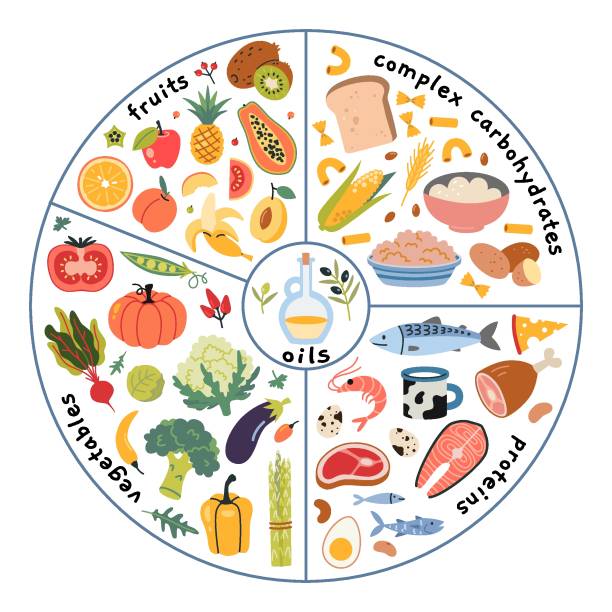
The plate method. Instead of counting, divide your plate: half vegetables, a quarter protein (lean meat, fish, eggs, cottage cheese, legumes), a quarter side dish (potatoes, rice, pasta — a moderate portion). That’s it. It’s a visual rule that, applied consistently, keeps you naturally in a deficit.
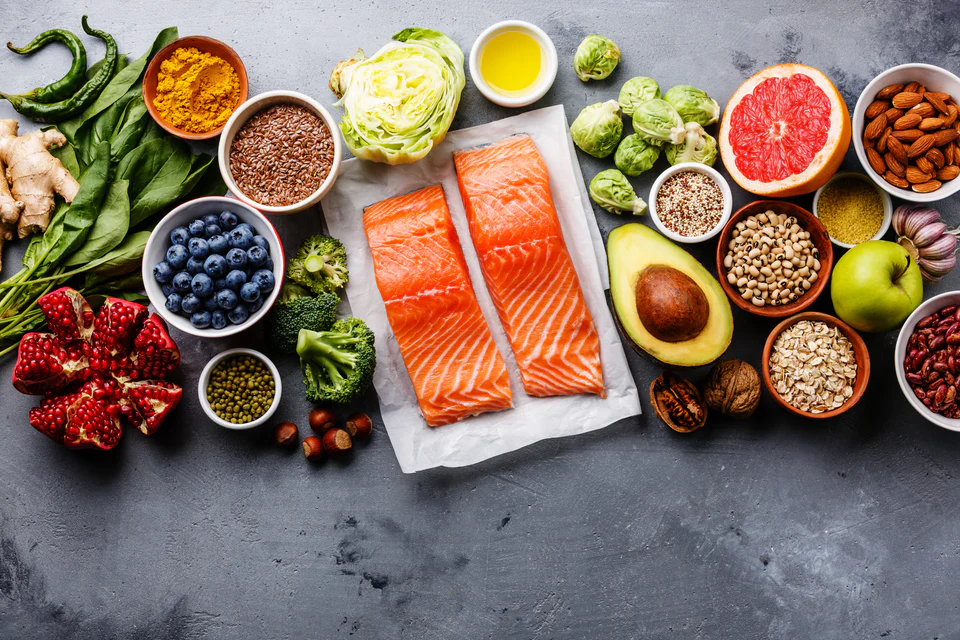
Focus on protein and fibre. These fill you up powerfully with relatively few calories. A meal built around them keeps hunger at bay for hours, so you eat less effortlessly and without counting.
Listen to your real hunger. Eat slowly, stop when you’re no longer hungry (not when you’ve emptied your plate), and ask yourself whether you’re actually hungry or just bored or thirsty.
Cut “invisible” calories. Juices, sweet coffees, alcohol, automatic snacking — these bring in the most uncounted calories. Eliminating them makes a huge difference without touching any app.
When counting actually helps
To be fair: calorie counting isn’t bad in itself. It’s an excellent short-term learning tool. If you count for a few weeks, you learn what a real portion looks like and how many calories your usual foods contain — a calibration that stays with you for life. The problem isn’t counting; it’s counting obsessively and forever.
Think of it like training wheels on a bicycle: useful at first, to find your balance, but not something you keep on forever. If you want to do this initial calibration properly, see how many calories you actually need and use the calorie calculator.
Frequently asked questions
Do I have to count calories to lose weight?
Not necessarily. You need a calorie deficit, but you can create it through portion control, choosing satiating foods, and eliminating liquid calories — without logging anything.
How long should I count, if I want to try?
Two to four weeks are enough to calibrate your eye. Once you learn what portions look like and which foods are calorie-dense, you can rely on estimation and the plate method.
Why does counting stress me out so much?
Because it turns every meal into a calculation and a decision with “mistakes.” If you notice it’s creating anxiety or a rigid relationship with food, that’s a clear signal to switch to more relaxed methods.
Are calorie-counting apps accurate?
They’re indicative. Their databases contain errors, and estimating portions adds further inaccuracy. They’re useful as an approximate guide, not as absolute truth — don’t rely on them to the last calorie.
How do I know if I’m eating little enough, without counting?
Use indirect signals: the scale (tracked weekly, not daily), how your clothes fit, and your hunger level. If the trend over 3–4 weeks is downward and you’re not constantly suffering from hunger, you’re in a deficit — without having counted anything. If you stagnate, slightly reduce portions or cut a source of liquid calories, and reassess after another two weeks.
Do athletes or people with very precise goals need to count?
For performance or physique goals at an advanced level, counting can be a useful tool, because precision matters more there. But for the common goal — “lose a few kilograms and keep them off” — simple methods are sufficient and far more sustainable.
The conclusion is liberating: you don’t need to become the accountant of your own plate to lose weight. Counting can be a good teacher for a few weeks, but simple methods — a balanced plate, protein and fibre, cutting liquid calories — get you to the same place, without the stress of counting every bite.
⚕️ This information is for educational purposes only and does not replace the advice of a doctor or nutritionist. If calorie counting creates an anxious relationship with food, talk to a specialist.