Water and weight loss: how much truth is in "drink 2 litres a day"
“Drink 2 litres of water a day and you’ll lose weight” is one of the most repeated nutrition tips. Like many frequently repeated tips, it has a kernel of truth surrounded by exaggeration. Water does help with weight loss — but not the way many people think, and certainly not through a magic number that works identically for everyone.
Let’s look at what water actually does for weight loss, where the “2 litres” figure comes from, and how much you should really drink.
How water helps you lose weight (the real mechanisms)
Water doesn’t “burn” fat and has no magic properties. But it helps with weight loss through several very concrete mechanisms:
It reduces false hunger. The brain often confuses thirst with hunger. Many times, when you think you’re hungry between meals, you’re actually just mildly dehydrated. A glass of water before reaching for a snack can quell a craving that wasn’t actually real hunger.
It fills you up before a meal. A large glass of water 15–20 minutes before eating takes up space in the stomach, so you feel full with less food. It’s a simple, free trick that genuinely works, confirmed by studies.
It replaces liquid calories. Here, by far, is the biggest benefit. Every glass of water you drink instead of a juice, beer, or sweet coffee cuts you dozens to hundreds of calories. If you replace a bottle of juice per day with water, you easily save over 150 calories daily — without changing anything else about your diet.
The myth: “water itself makes you lose weight”
Now the important correction. Water won’t make you lose fat on its own. If you drink 3 litres a day but eat in a caloric surplus, you won’t lose weight. Water is an aid to eating less, not a substitute for a calorie deficit.
There’s also a confusion related to “water weight.” When you start a diet and see minus 2 kg in a few days, that’s water lost, not fat — and it comes back. Similarly, drinking more water doesn’t “bloat” you permanently; the body regulates its own fluid balance. So water neither makes you lose weight on its own nor makes you gain weight.
Where “2 litres a day” comes from and how much you actually need
The “2 litres” (or “8 glasses”) figure is a convenient general rule, but it has no strict scientific basis and doesn’t suit everyone. Real fluid requirements vary considerably depending on weight, activity, temperature, and what you eat.
Some more useful reference points than a fixed number:
- Part of your water comes from food. Vegetables, fruit, soups, and broths contain a lot of water and count toward your balance.
- Tea and coffee (unsweetened) hydrate too — the myth that they dehydrate you is exaggerated.
- The best indicator is urine colour: pale straw yellow = well hydrated; dark yellow = drink more.
- Activity and heat significantly increase requirements — on exercise days or in hot weather, you need more.
If you’d like a personalised estimate instead of the generic rule, use the water calculator, which takes into account your weight and activity level.
Can you drink too much water?
Yes, though it’s rare. Forcing litres and litres “to lose weight” brings no additional benefits and, in extreme cases, can dangerously dilute the salts in the body (hyponatraemia). There’s no prize for drinking the most. Drink when you’re thirsty, plus the strategic glass before meals, and hydrate more when you exercise or it’s hot — that’s all.
Frequently asked questions
How much water do I need to drink to lose weight?
There’s no magic number. “2 litres” is a rough guideline; the real requirement depends on you. More useful is drinking when thirsty, a glass before meals, and monitoring urine colour. Water helps weight loss mainly by replacing caloric drinks.
Does cold water burn more calories?
The body uses a little energy warming cold water, but the difference is negligible — a few calories. Don’t rely on this as a weight loss strategy.
Does drinking warm water with lemon in the morning help?
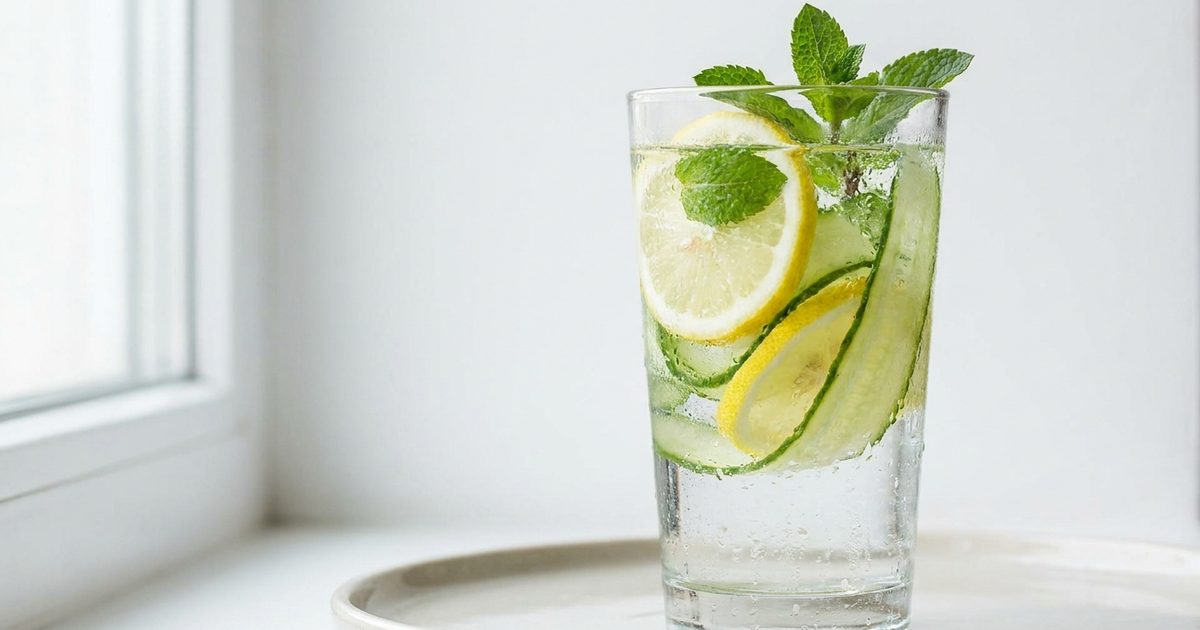
Water with lemon is a pleasant, calorie-free drink, but it has no special “detoxifying” or fat-burning powers. It helps to the extent that it hydrates you and replaces a sweet drink — that’s all.
Do coffee and tea count toward fluid intake?
Yes. The myth that they dehydrate you is exaggerated; consumed unsweetened, they hydrate too. Just be mindful of the sugar and milk added, which bring calories.
Does a glass of water before a meal really help me eat less?
Yes, it’s one of the few “tricks” with real support. Water drunk 15–20 minutes before a meal takes up space in the stomach and makes you feel full with less food. Free, simple, and with no side effects — worth doing.
Is still or sparkling water better for weight loss?
It makes no difference for weight loss — both are calorie-free. Choose whichever you prefer, so you drink more easily. What matters is avoiding “water” drinks with added sugar, which are actually sweet drinks in disguise.
Why do I “bloat” when I drink a lot of water at once?
It’s a temporary feeling of fullness, not fat and not permanent retention. The body regulates its water balance on its own within a few hours. If you want to avoid the sensation, drink steadily throughout the day rather than litres all at once.
Water is a genuine weight loss ally, but for the right reasons: it reduces false hunger, helps you eat less at meals, and above all, it replaces liquid calories that add up unnoticed. Don’t cling to the “2 litres” figure as if it were a law — drink to thirst and to the day’s needs, and use water as a tool, not as a magic solution.
⚕️ This information is for educational purposes only and does not replace medical advice. If you have a kidney or heart condition, your fluid requirements may be different — ask your doctor.