
Structured
Whole30
Strict 30-day elimination of sugar (all forms), grains, dairy, legumes, alcohol and additives. After 30 days, systematic reintroduction to identify which foods cause problems. No recreation of eliminated foods with compliant ingredients.
Whole30 is a strict 30-day elimination programme developed by Melissa and Dallas Hartwig in 2009. It removes sugar (all forms), grains, dairy, legumes and alcohol for 30 complete days, then reintroduces them systematically one category at a time to identify which foods cause problems for the individual.
The programme frames itself not as a diet but as a health reset — 30 days of eating whole, minimally processed foods to break habits, reduce inflammation and identify personal food sensitivities. Weighing yourself during the 30 days is discouraged.
A notable rule: no recreating eliminated foods with compliant ingredients (“Whole30 pancakes”). The founders argue that this perpetuates the psychological dependence on these foods that the programme is meant to break.
History and origin
Melissa Hartwig Urban and her then-husband Dallas Hartwig developed Whole30 in 2009, initially as a personal experiment and blog post. Melissa, a sports nutritionist, and Dallas, a physical therapist, began sharing the protocol online and it attracted immediate interest. The programme spread organically through social media — particularly Instagram and dedicated Facebook groups — years before influencer marketing became a standard commercial strategy.
The book It Starts With Food (2012) provided the scientific rationale and context for the programme, drawing on paleo, anti-inflammatory and gut-health research. The Whole30: The 30-Day Guide to Total Health and Food Freedom (2015) became a New York Times bestseller and sold over a million copies, with multiple follow-up books in the series.
The programme’s viral growth was driven by community: the Whole30 community on social media generated millions of posts, transformation photos and daily accountability threads. Melissa Hartwig Urban became a prominent voice in the food freedom and clean-eating space. The programme has attracted criticism for its restrictive rules, the lack of independent clinical research, and the elimination of nutritious foods (legumes, dairy), but retains a large global following as a structured short-term habit reset.
+ What you eat and what you avoid
✓ What you eat
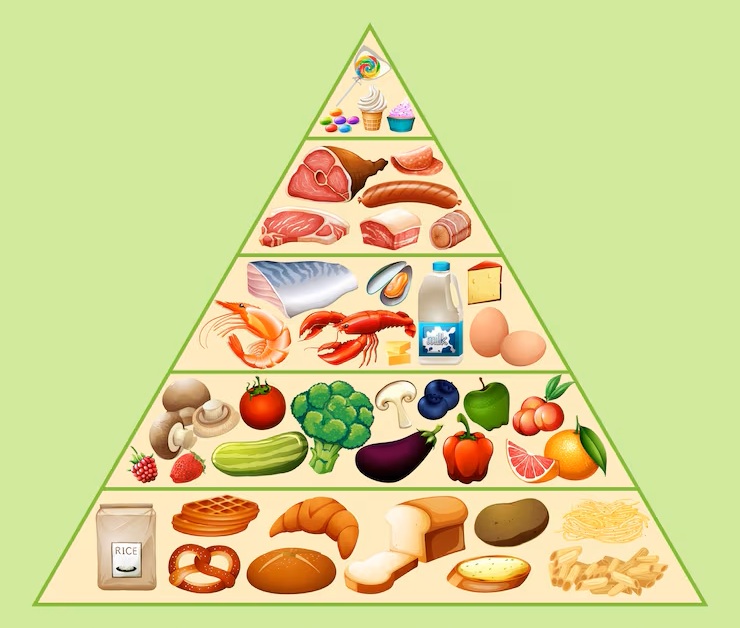
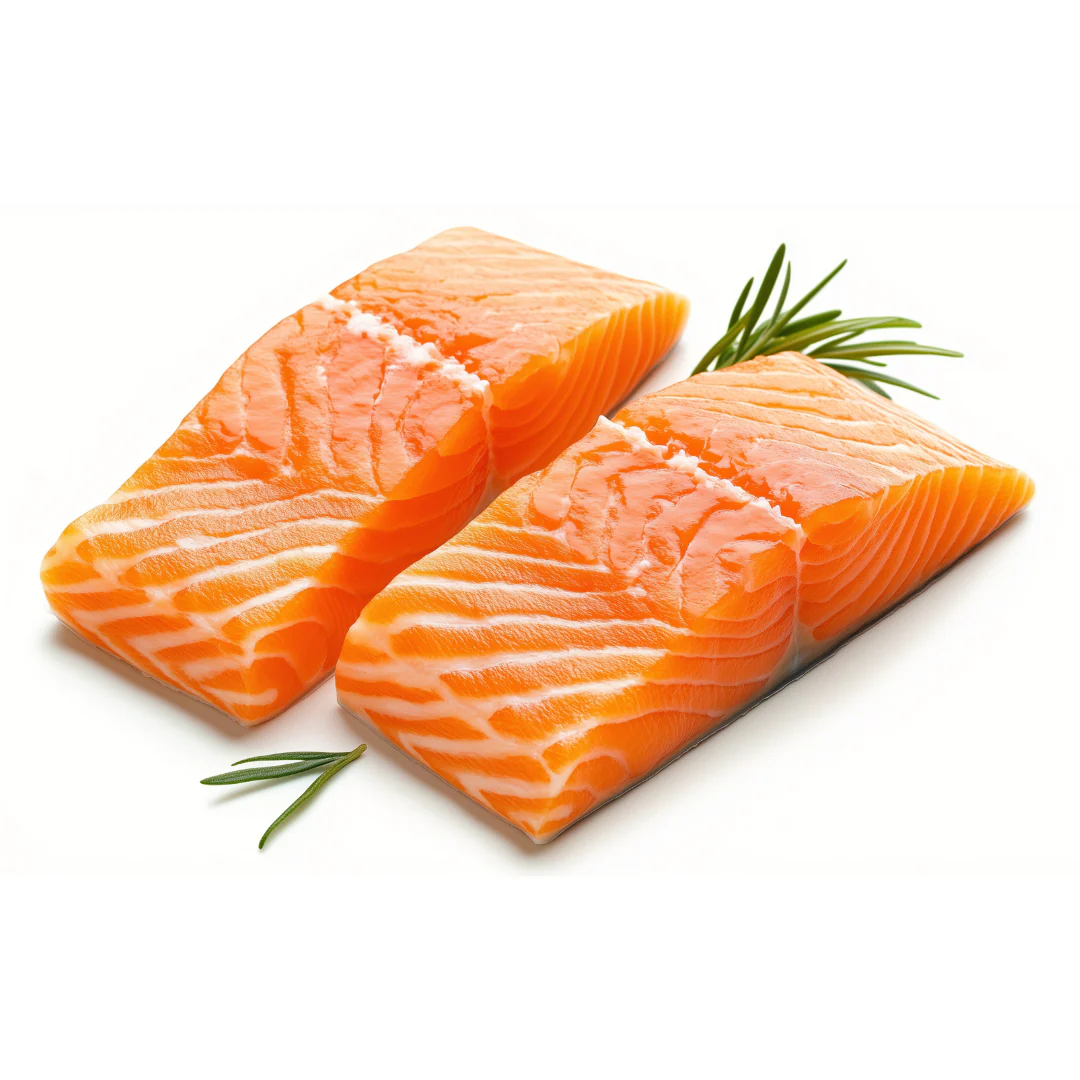
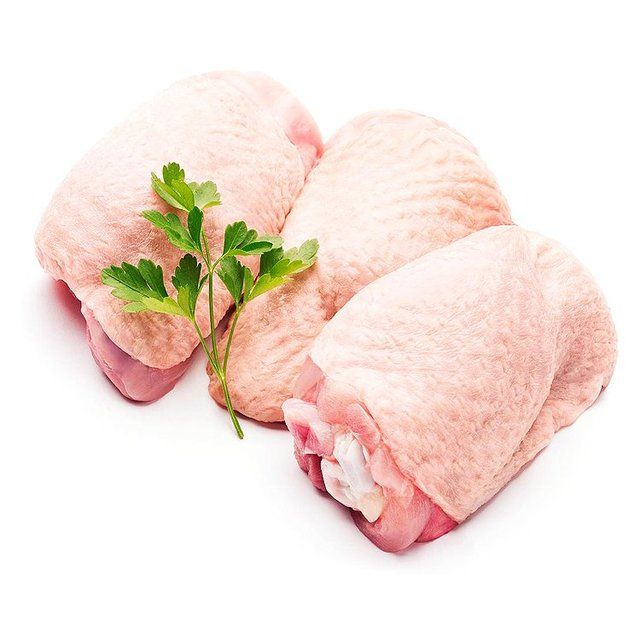
- Meat, poultry, fish and seafood
- Eggs
- Vegetables (all, including potatoes and sweet potatoes)
- Fruit (in moderate quantities)
- Healthy fats: olive oil, coconut oil, avocado, ghee (clarified butter)
- Nuts and seeds (except peanuts, which are legumes)
- Herbs and spices
✕ What you avoid
- All sugar and sweeteners (including honey, maple syrup, agave)
- All grains (wheat, rice, oats, corn, quinoa)
- All dairy (milk, cheese, butter, yoghurt — except ghee)
- Legumes (beans, lentils, chickpeas, peanuts, soy)
- Alcohol
- Carrageenan, MSG, sulphites
- Paleo-style recreations of baked goods, pancakes or desserts with compliant ingredients
+ Sample one-day menu
+ Pros and cons
Pros
- Effective habit reset — 30 days is long enough to break old patterns
- Systematic reintroduction identifies personal food sensitivities
- Eliminates sugar and processed foods entirely
- No calorie counting
Cons
- Very restrictive — difficult socially and practically
- Eliminates nutritious foods (legumes, whole grains, dairy)
- The prohibition on recreation foods ('Whole30 pancakes') can seem arbitrary
- Risk of nutritional deficiency (calcium, fibre) without careful planning
- No published independent clinical trials specifically on Whole30
+ ⚠️ Who should avoid this diet
- Pregnant or breastfeeding women — without specialist advice
- People with eating disorders — strict elimination rules can be triggering
- People on medication requiring stable food intake
Indicative list. Before starting any diet, especially if you have a medical condition, consult a doctor or nutritionist.
Întrebări frecvente
Why are legumes and grains eliminated on Whole30?
The Whole30 rationale is that legumes and grains contain compounds (lectins, phytates, saponins) that can irritate the gut lining and affect hormones and immune function in some people. This is a paleo-adjacent argument. Most mainstream nutritional science does not support eliminating these foods for healthy adults — they are nutritious and associated with health benefits.
Why can't you make compliant pancakes or baked goods?
Whole30 prohibits recreational eating of 'Food With No Brakes' — foods that trigger overeating regardless of their ingredients. The founders argue that making paleo-friendly pancakes continues the psychological dependence on these foods, undermining the behavioural reset goal of the programme.
Is Whole30 a weight-loss diet?
Officially no — the Whole30 programme explicitly discourages weighing yourself during the 30 days and frames the programme as a health reset, not a weight-loss diet. In practice, most people lose weight from eliminating sugar, refined carbohydrates and processed foods. After the 30 days, the reintroduction phase provides valuable information about personal food sensitivities.