

Structured
Weight Watchers (WW)
Every food has a PersonalPoints value based on calories, saturated fat, sugar and protein. Each member has a daily points budget plus weekly bonus points. ZeroPoint foods (fruit, vegetables, lean protein) can be eaten freely.
Weight Watchers (rebranded as WW in 2018) is one of the oldest and most extensively researched commercial weight-management programmes, operating since 1963. It uses a points system (currently PersonalPoints) in which every food has a value based on its nutritional content, and members work within a personalised daily points budget.
The key feature: ZeroPoint foods — vegetables, fruit, eggs, chicken breast, fish, legumes and others (personalised by health profile) — can be eaten without tracking, directing members naturally towards nutritious choices. No food is completely forbidden.
The programme combines the points system with community support (weekly group meetings or online check-ins) and accountability — factors that research identifies as central to long-term weight-loss success. Multiple independent clinical studies confirm WW’s effectiveness, distinguishing it from many commercial diet programmes without a research base.
History and origin
Weight Watchers was founded in 1963 by Jean Nidetch, a New York housewife who had struggled with her weight for years. After losing weight with a programme from the New York City Department of Health, she began inviting friends to her home to share strategies and mutual support. She recognised that the group format — shared accountability and communal problem solving — was essential to success in a way that individual dieting wasn’t.
Nidetch formalised the approach and, with business partners Felice and Al Lippert, launched Weight Watchers as a commercial company in 1963. The first formal meeting attracted 400 people. The company grew rapidly throughout the 1960s–1970s, expanding internationally. Nidetch became the public face of the movement and published her autobiography, The Story of Weight Watchers (1970).
The company was sold to H.J. Heinz in 1978, then to Artal Luxembourg in 1999, before going public on the New York Stock Exchange in 2001. In 2015, Oprah Winfrey acquired a 10% stake and became a spokesperson — a move that sent the company’s shares up 170% in a single day and brought a new wave of media attention. The 2018 rebrand to WW reflected attempts to modernise the brand and address criticism that the weight-focused name was stigmatising. Today WW operates in dozens of countries with millions of members and a digital-first model.
+ What you eat and what you avoid
✓ What you eat
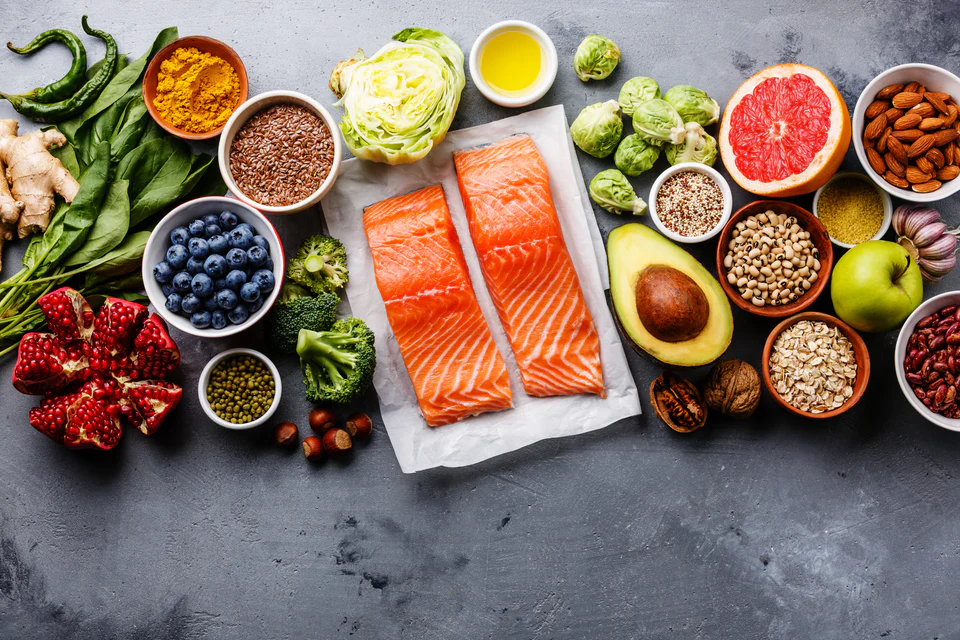
- ZeroPoint foods (no points required): most vegetables, fruit, eggs, chicken breast, fish, legumes, plain yoghurt (in the current plan)
- All other foods are allowed within the daily points budget
- Personalisation: the list of ZeroPoint foods varies by individual based on their health profile
✕ What you avoid
- No food is completely banned — everything can be eaten within the points budget
- Recommended to limit: sugary drinks, processed foods, alcohol (high point value)
+ Sample one-day menu
+ Pros and cons
Pros
- Very flexible — no food is forbidden
- Strong community and accountability (group meetings or app)
- Extensively researched: multiple clinical studies confirm effectiveness
- The points system intuitively directs towards nutritious foods
Cons
- Paid subscription required
- Points tracking requires ongoing effort
- The system has changed multiple times (PointsPlus, SmartPoints, PersonalPoints) — can confuse returning members
- Weight tends to return if programme is discontinued without building independent habits
+ ⚠️ Who should avoid this diet
- People with eating disorders: the points system may reinforce obsessive food tracking
- Children: not recommended under 18 without specific paediatric supervision
Indicative list. Before starting any diet, especially if you have a medical condition, consult a doctor or nutritionist.
Întrebări frecvente
How does the Weight Watchers points system work?
Each food has a PersonalPoints value calculated from its nutritional content. Members receive a daily points budget (personalised based on height, weight, age, sex and goals) plus weekly bonus points for flexibility. ZeroPoint foods can be eaten freely — they don't need to be tracked, encouraging choices like fruit, vegetables, eggs and lean proteins.
Is Weight Watchers effective?
Yes — it is one of the most clinically studied commercial diet programmes. A major review in the Annals of Internal Medicine (2015) covering multiple commercial programmes found that Weight Watchers produced significantly greater weight loss than control groups at 12 months. The group support model and accountability are key factors.
What is the difference between WW and Weight Watchers?
Weight Watchers officially rebranded to 'WW' (Wellness that Works) in 2018 to reflect a broader focus beyond just weight loss, including wellbeing, nutrition and mental health. The underlying programme and points system continued under the new name.