Balanced
Volumetrics Diet
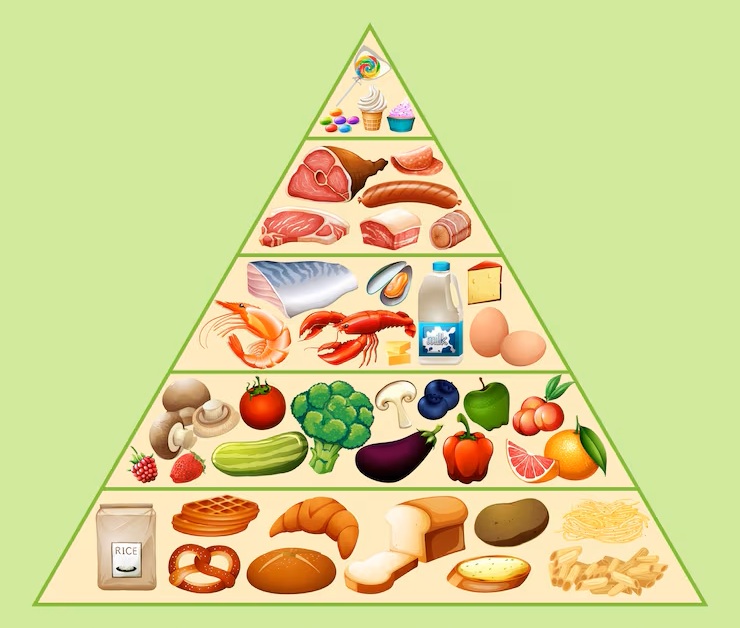
Foods are classified by caloric density (kcal per gram). Eat large portions of low-density foods (water-rich foods) to feel full. Reduce high-density foods (oils, sweets, dry snacks) to small portions.
Volumetrics is a dietary approach developed by nutritional scientist Barbara Rolls at Pennsylvania State University, based on the concept of caloric density — the number of calories per gram of food. The principle: eat large volumes of foods with low caloric density (soups, vegetables, fruit) and maintain satiety with fewer total calories.
Foods are categorised into four groups by caloric density. Category 1 (below 0.6 kcal/g — broth soups, most vegetables and fruit) and Category 2 (0.6–1.5 kcal/g — lean protein, legumes, whole grains) can be eaten freely. Category 3 and 4 (more calorie-dense) require portion control.
No food is forbidden — only categorised. This approach is one of the most scientifically robust in the diet world: the relationship between food volume, satiety and caloric intake has been studied extensively in controlled trials, and Volumetrics consistently produces sustainable weight loss in research settings.
History and origin
Barbara Rolls is a professor of nutrition at Pennsylvania State University and director of the Laboratory for the Study of Human Ingestive Behavior, where she has researched satiety, hunger and portion sizes for over four decades. Her research on caloric density was published in numerous peer-reviewed articles before she made it accessible to a popular audience.
She published Volumetrics: Feel Full on Fewer Calories (2000) and The Volumetrics Eating Plan (2005), which translated her laboratory findings into practical guidelines. The approach was built explicitly on decades of published research, distinguishing it from most popular diet books that rely primarily on anecdote or unvalidated theories.
Rolls’ work on portion distortion — how larger portions lead people to eat more regardless of hunger — influenced nutrition policy and food labelling discussions in the United States. Her laboratory’s findings that soup and salad at the beginning of a meal reduce total caloric intake have been replicated in multiple independent studies and are now considered established nutritional science.
Volumetrics has consistently ranked among the top diets in expert assessments and is particularly respected in the academic nutrition community for its evidence base, even though it has not achieved the same popular notoriety as more dramatic or restrictive diets.
+ What you eat and what you avoid
✓ What you eat
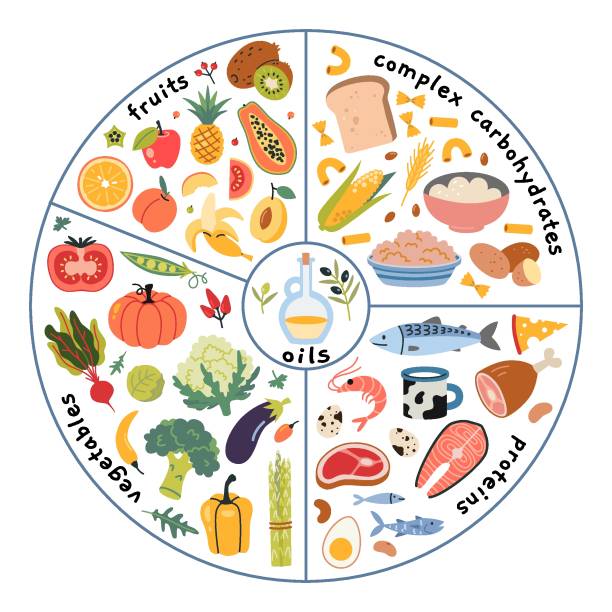
- Category 1 (very low density, eat freely): broth-based soups, most fruit and vegetables, skimmed milk
- Category 2 (low density, eat freely): lean meat, legumes, whole grains, low-fat dairy
- Category 3 (medium density, in moderation): bread, cheese, fatty meat, pizza
- Category 4 (high density, very limited portions): biscuits, chocolate, crisps, oils, nuts
✕ What you avoid
- No food is completely banned — all foods have a category
- Recommended to significantly limit Category 4 (caloric density above 4 kcal/g)
+ Sample one-day menu
+ Pros and cons
Pros
- Scientifically well-supported: satiety from volume is well established
- No food is forbidden
- Large portions — doesn't feel like restriction
- Teaches awareness of caloric density rather than just calories
- Effective and sustainable long-term
Cons
- Requires learning the caloric density categories
- Less dramatic initial results than restrictive diets
- Large volumes of soup and vegetables may not suit all palates
+ ⚠️ Who should avoid this diet
- No medical contraindications for healthy adults
Indicative list. Before starting any diet, especially if you have a medical condition, consult a doctor or nutritionist.
Întrebări frecvente
What is caloric density?
Caloric density is the number of calories per gram of food. Water and fibre have zero caloric density; pure fat has the highest (~9 kcal/g). Foods high in water content (soups, fruit, vegetables) have very low caloric density — you can eat a large volume for few calories. Foods high in fat and low in water (biscuits, nuts, oil) are very calorie-dense.
Does Volumetrics work for weight loss?
Yes — multiple clinical studies by Barbara Rolls and independent researchers confirm that people who eat more low-caloric-density foods spontaneously consume fewer calories and lose more weight than those who restrict calories without attention to caloric density. The mechanism is satiety from volume.
Is Volumetrics different from calorie counting?
Yes — Volumetrics focuses on the ratio of calories to food volume (caloric density) rather than counting total calories. In practice, filling the plate with Category 1 and 2 foods naturally limits calories without the need to track numbers. Many people find this more intuitive and sustainable than calorie counting.