
Plant-Based
Vegetarian Diet
Excludes all meat and fish. Includes plant foods (vegetables, fruit, legumes, grains), dairy and eggs. The most common variant is lacto-ovo vegetarian.
The vegetarian diet excludes all meat and fish but includes dairy and eggs (in the most common lacto-ovo variant). All plant foods are allowed: vegetables, fruit, legumes, whole grains, nuts and seeds.
It is one of the most extensively studied dietary patterns. Large prospective cohort studies (EPIC, Adventist Health Studies) consistently associate vegetarianism with lower rates of cardiovascular disease, type 2 diabetes and certain cancers, as well as lower average body weight, compared to omnivore diets.
Unlike veganism, a lacto-ovo vegetarian diet is nutritionally complete without mandatory supplementation for most healthy adults — dairy and eggs cover vitamin B12, calcium, iron (partially) and omega-3. Iron and omega-3 still require attention, as plant sources are less bioavailable.
History and origin
Organised vegetarianism as a movement began in nineteenth-century England. The Vegetarian Society was founded in 1847 in Manchester, using the word “vegetarian” for what had previously been called a “Pythagorean diet” — referencing the ancient Greek philosopher Pythagoras, who was reported to abstain from meat for ethical reasons.
Religious traditions had prescribed vegetarianism for millennia before the modern movement: Hinduism, Jainism and Buddhism all have strong vegetarian traditions rooted in the principle of ahimsa (non-violence towards living beings). In the West, Seventh-day Adventists promoted vegetarianism as part of their health theology from the mid-nineteenth century; the Adventist Health Studies, which have followed Adventist communities since the 1950s, have provided some of the most valuable long-term epidemiological data on vegetarian health outcomes.
In the twentieth century, vegetarianism grew gradually in Western countries, accelerating from the 1970s with the environmental movement and Peter Singer’s Animal Liberation (1975). The 1990s–2000s saw significant institutional endorsements: the Academy of Nutrition and Dietetics published its position paper stating that well-planned vegetarian diets are nutritionally adequate and health-promoting. Today, vegetarianism is mainstream in most Western countries, with extensive food industry support for meat alternatives.
+ What you eat and what you avoid
✓ What you eat
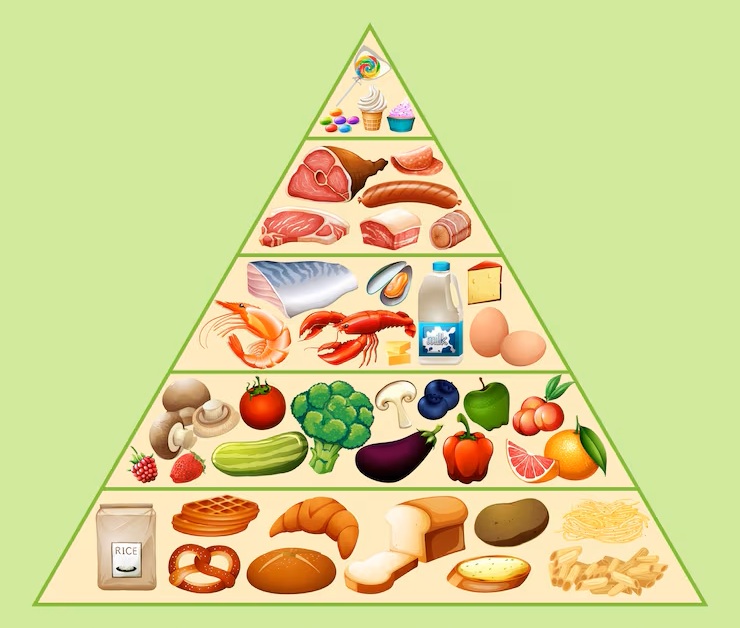
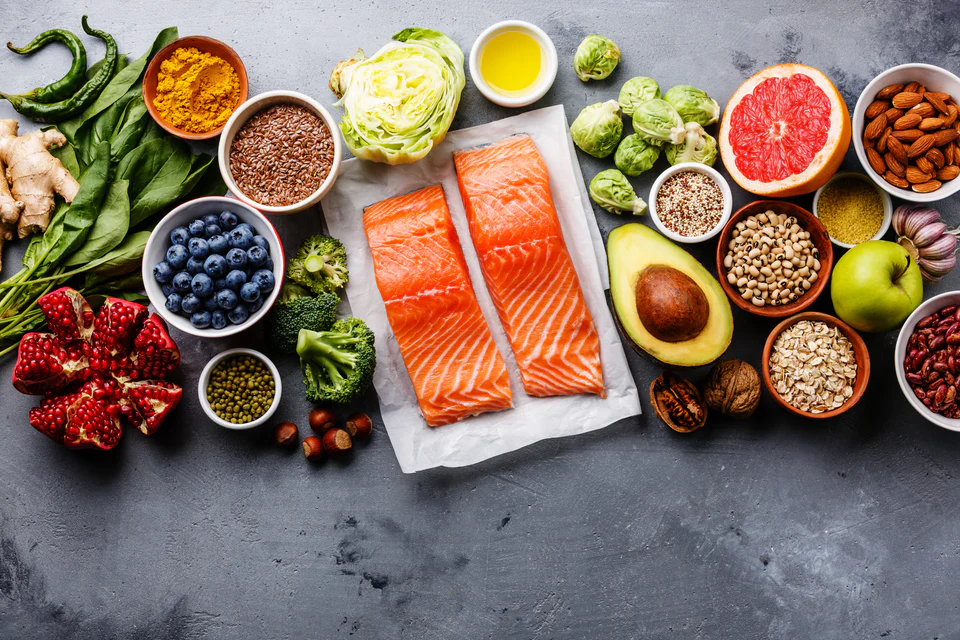
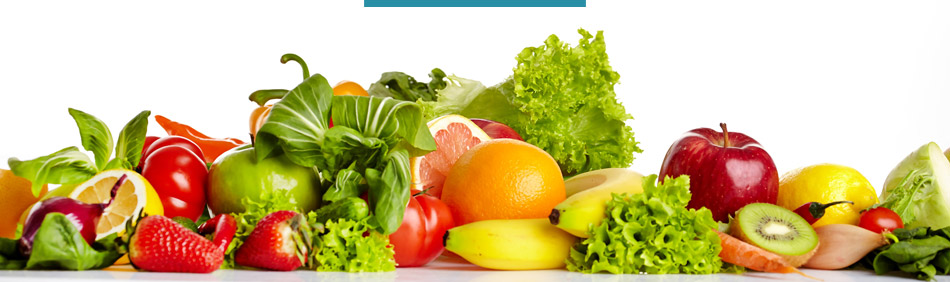
- Vegetables and fruit (all types)
- Legumes (beans, lentils, chickpeas, soy)
- Whole grains (oats, rice, pasta, bread)
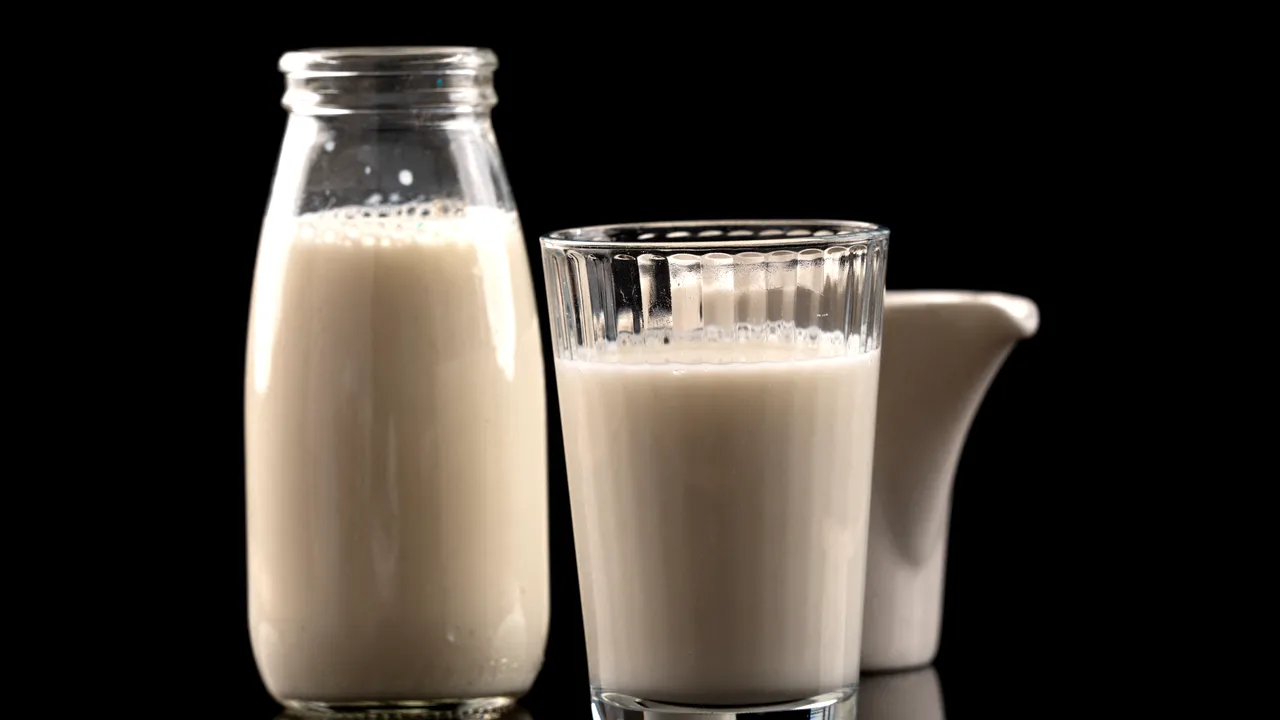
- Dairy: milk, cheese, yoghurt, butter
- Eggs
- Nuts, seeds and healthy fats
- Tofu, tempeh and other soy products
✕ What you avoid
- All meat (beef, pork, lamb, poultry)
- Fish and seafood
- Gelatine and other animal-derived additives (in the strict variant)
+ Sample one-day menu
+ Pros and cons
Pros
- Associated with lower risk of cardiovascular disease, type 2 diabetes and some cancers
- Lower environmental footprint than omnivore diet
- Generally nutritionally complete without mandatory supplementation
- Flexible and easy to follow socially
Cons
- Risk of iron, zinc and omega-3 deficiency if not planned carefully
- Vitamin B12 supplementation recommended (even for dairy eaters, in some guidelines)
- Can be socially restrictive in cultures with strong meat traditions
+ ⚠️ Who should avoid this diet
- No medical contraindications for healthy adults
- Children: possible and healthy with careful planning, ideally with paediatric dietitian guidance
Indicative list. Before starting any diet, especially if you have a medical condition, consult a doctor or nutritionist.
Întrebări frecvente
What are the main types of vegetarian diet?
Lacto-ovo vegetarian (most common): excludes meat and fish, includes dairy and eggs. Lacto-vegetarian: includes dairy but not eggs. Ovo-vegetarian: includes eggs but not dairy. Vegan: excludes all animal products including dairy and eggs.
Do vegetarians need to supplement?
A lacto-ovo vegetarian diet can cover most nutritional needs from food. Vitamin B12 is generally well covered by dairy and eggs. Iron and omega-3 require attention — plant sources (non-haem iron, ALA) are less bioavailable than animal sources. Some guidelines recommend B12 supplementation as a precaution even for vegetarians.
Is a vegetarian diet helpful for weight loss?
On average, vegetarians have lower body mass indices than omnivores. The higher fibre and lower caloric density of plant-based foods naturally reduces appetite and caloric intake. However, a vegetarian diet rich in cheese, dairy, refined carbohydrates and sweet baked goods can be just as calorie-dense as an omnivore diet.