
Balanced
Sonoma Diet
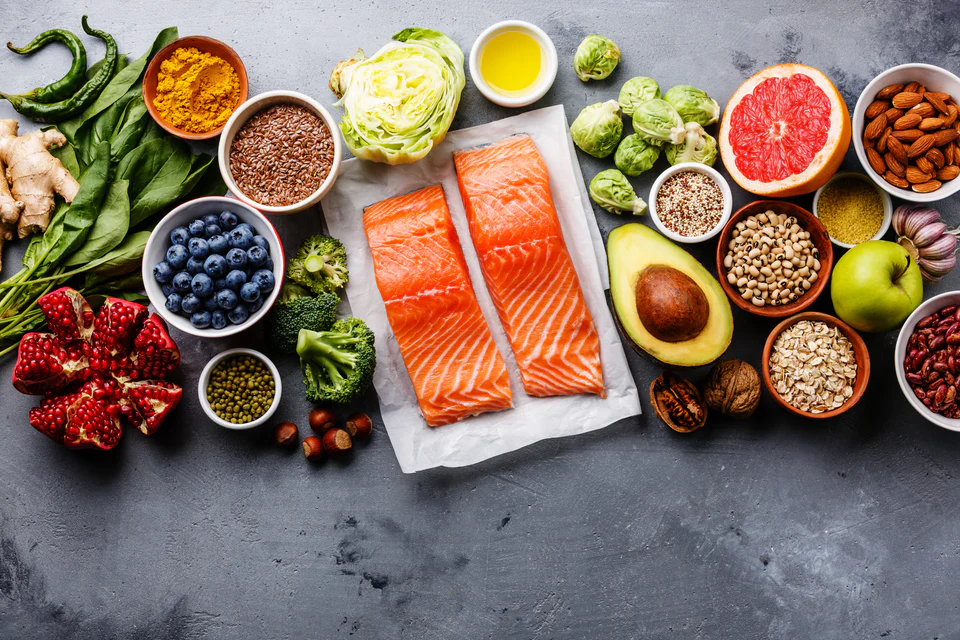
Plate-based portion control: breakfast plate 7 inches, lunch/dinner plate 9 inches. Fill with the 10 power foods: almonds, bell peppers, blueberries, broccoli, grapes, olive oil, spinach, strawberries, tomatoes, whole grains.
The Sonoma Diet is a Mediterranean-inspired dietary approach developed by registered dietitian Connie Guttersen, drawing on the food culture of California’s Sonoma wine country. Its philosophy: weight loss through good food and flavour, not deprivation.
The practical mechanism: portion control through plate size (7-inch breakfast plates, 9-inch lunch/dinner plates), filled primarily with 10 “power foods” — almonds, bell peppers, blueberries, broccoli, grapes, olive oil, spinach, strawberries, tomatoes and whole grains. Wine in moderation is included from Wave 2 onwards.
It is organised in three waves: Wave 1 (10 days, strictest, eliminates sugar and alcohol), Wave 2 (gradual reintroduction, continued weight loss) and Wave 3 (maintenance for life).
History and origin
Connie Guttersen, a registered dietitian and culinary instructor, developed the Sonoma Diet drawing on both Mediterranean nutritional research and the food culture of the Sonoma region in California — a wine and agriculture area with strong culinary traditions. She published The Sonoma Diet in 2005.
The book positioned itself as a more pleasurable alternative to restrictive diets, emphasising the enjoyment of food as central to sustainable healthy eating — a theme consistent with Mediterranean dietary philosophy. It achieved considerable commercial success in the United States and was followed by a cookbook and updated editions.
The Sonoma Diet occupies a niche between Mediterranean diet (broad evidence base, less structured) and programmes like Weight Watchers (highly structured, commercial). Its emphasis on flavour, wine country aesthetics and specific power foods differentiate it in the diet book market, though it has not accumulated the same research base as the Mediterranean or DASH diets it draws inspiration from.
+ What you eat and what you avoid
✓ What you eat
- The 10 power foods (emphasis): almonds, bell peppers, blueberries, broccoli, grapes, olive oil, spinach, strawberries, tomatoes, whole grains
- Lean protein: chicken, fish, lean beef
- Dairy in moderate quantities
- Wine in moderation (from Wave 2)
✕ What you avoid
- Sugar and refined carbohydrates (strictly in Wave 1)
- Saturated fats
- Processed foods
- Alcohol (Wave 1 only)
+ Sample one-day menu
+ Pros and cons
Pros
- Emphasises flavour — food is described as enjoyable
- No calorie counting — uses plate size for portion control
- Mediterranean evidence base
- Includes wine from Wave 2 — socially practical
Cons
- Less well-known and researched than Mediterranean or DASH
- The focus on California/wine country aesthetics may not resonate universally
- Three-wave structure requires phase tracking
+ ⚠️ Who should avoid this diet
- No major medical contraindications for healthy adults
- Wine from Wave 2 unsuitable for those avoiding alcohol
Indicative list. Before starting any diet, especially if you have a medical condition, consult a doctor or nutritionist.
Întrebări frecvente
What are the three waves of the Sonoma Diet?
Wave 1 (10 days): strictest phase — eliminates sugar, refined carbohydrates and alcohol; establishes the habit of eating from the correct plate sizes. Wave 2: gradual reintroduction of wine and more variety while continuing to lose weight. Wave 3: maintenance — the Sonoma way of eating for life.
Why does plate size matter?
Research on portion distortion shows that people eat significantly more when they use larger plates. By specifying 7-inch breakfast plates and 9-inch lunch/dinner plates, the Sonoma Diet controls portions visually without calorie counting — a practical behavioural tool.
Is the Sonoma Diet different from the Mediterranean diet?
It is closely inspired by the Mediterranean diet but specifically adapted to California wine country culture, with particular emphasis on the 10 'power foods', the plate method for portion control, and a stronger focus on flavour and enjoyment. It is less studied than the Mediterranean diet.