


Low-Carb
Slow-Carb Diet
Five simple rules: eat the same few meals repeatedly, avoid white carbohydrates, avoid fruit, don't drink calories, and take one mandatory cheat day per week. Focus on legumes, vegetables and lean protein.
The Slow-Carb Diet was designed by Tim Ferriss and described in his bestselling book The 4-Hour Body (2010). It is based on five simple rules: eat from a short list of allowed foods (lean protein, legumes, non-starchy vegetables); avoid all white/refined carbohydrates; avoid fruit; don’t drink calories; and take one mandatory cheat day per week where you can eat anything.
The diet’s appeal: simplicity (a handful of rules, no counting) and psychological sustainability (knowing Saturday is a free day makes Monday–Friday easier to endure). Legumes are the cornerstone — they are mandatory at most meals as the primary carbohydrate and protein source.
The evidence base is personal experimentation and community anecdote rather than clinical trials. However, the underlying mechanisms — low-GI carbohydrates, high protein, no refined sugar — are consistent with established nutritional research.
History and origin
Tim Ferriss is an American entrepreneur, author and podcaster best known for the 4-Hour book series. He developed the Slow-Carb Diet through years of personal self-experimentation, tracking his own body composition, blood markers and performance metrics with unusual rigour for a non-researcher.
The 4-Hour Body (2010) presented the Slow-Carb Diet as one component of a broader system for body optimisation, alongside protocols for rapid fat loss, muscle gain, sleep improvement and performance enhancement. The book blended personal data, conversations with researchers and coaches, and anecdotes from others who tested the protocols.
The book reached #1 on the New York Times bestseller list and sold millions of copies, generating a large community of followers who documented their results online. Ferriss built a substantial blog and podcast presence, further spreading the approach. The Slow-Carb community on Reddit and various forums accumulated thousands of transformation stories and practical adaptations of the diet.
Unlike most diet books, Ferriss was transparent about what he didn’t know and explicitly invited readers to run their own experiments and report results — a citizen-science approach that resonated with a tech-savvy audience and differentiated the Slow-Carb Diet from more dogmatic diet programmes.
+ What you eat and what you avoid
✓ What you eat
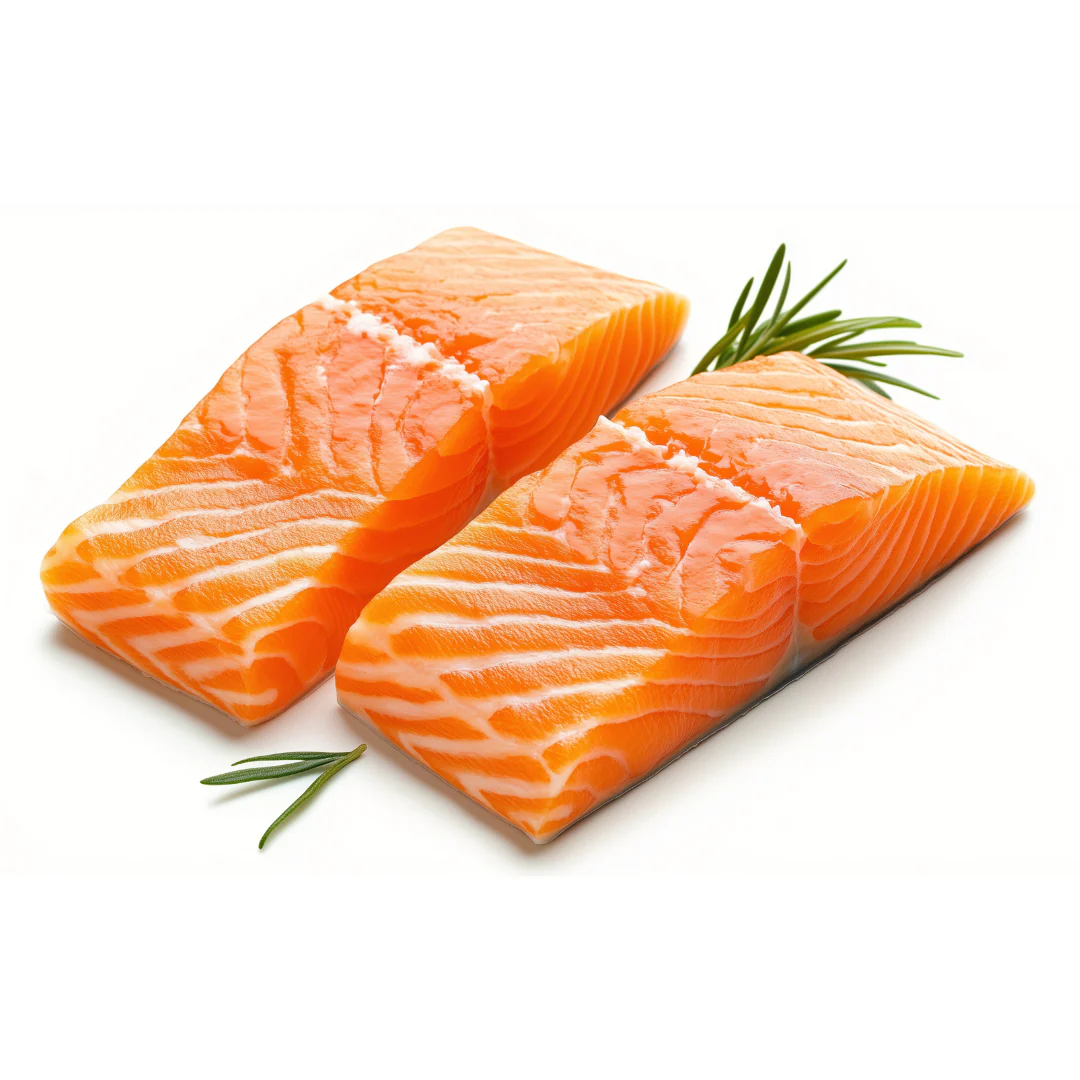
- Lean protein: chicken, turkey, beef, fish, eggs
- Legumes (mandatory at most meals): lentils, black beans, chickpeas, pinto beans
- Vegetables: spinach, broccoli, cauliflower, courgette, asparagus, tomatoes
- Water, unsweetened tea and coffee
- Anything goes on the weekly cheat day
✕ What you avoid
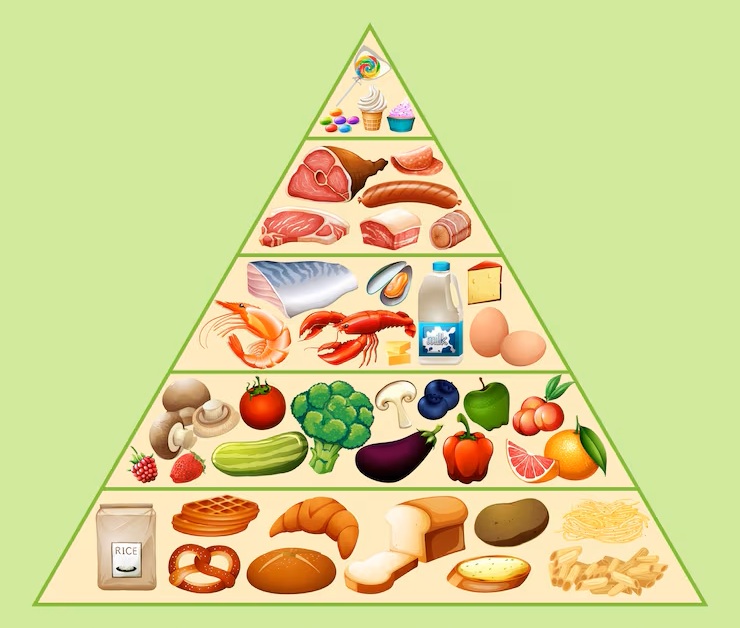
- White carbohydrates: bread, pasta, rice, potatoes, cereals
- All fruit (except tomatoes and avocado)
- Dairy (except cottage cheese and small amounts of cream in coffee)
- Sweetened beverages and juices
- Fried foods (outside cheat day)
+ Sample one-day menu
+ Pros and cons
Pros
- Simple rules — easy to remember
- Cheat day makes long-term adherence psychologically easier
- High legume intake supports satiety and gut health
- No calorie counting
Cons
- Eliminates fruit — nutritious food group
- Repetitive meals can become monotonous
- Cheat day can lead to binge-eating for some people
- Evidence base is personal experience and anecdote, not clinical trials
+ ⚠️ Who should avoid this diet
- Kidney disease (high protein intake)
- People with digestive problems from legumes
Indicative list. Before starting any diet, especially if you have a medical condition, consult a doctor or nutritionist.
Întrebări frecvente
Why is fruit not allowed?
Tim Ferriss argues that fructose — the main sugar in fruit — is processed by the liver and can inhibit fat loss. He acknowledges this is controversial. The exception is tomatoes (technically a fruit) and avocado. Berries are allowed in small quantities by some practitioners.
Does the cheat day undo the week's progress?
Ferriss argues no — and that it actually helps by preventing metabolic adaptation (the body reducing its metabolic rate in response to chronic caloric restriction). The evidence for this specific mechanism is limited, but many practitioners report that the cheat day makes the rest of the week psychologically sustainable.
Why are legumes so central to the slow-carb diet?
Legumes have a low glycaemic index, high fibre, high protein and keep you full for a long time. Ferriss identified them as the ideal 'slow carbohydrate' — absorbed slowly, producing gradual blood glucose responses rather than spikes.