
Structured
Slimming World
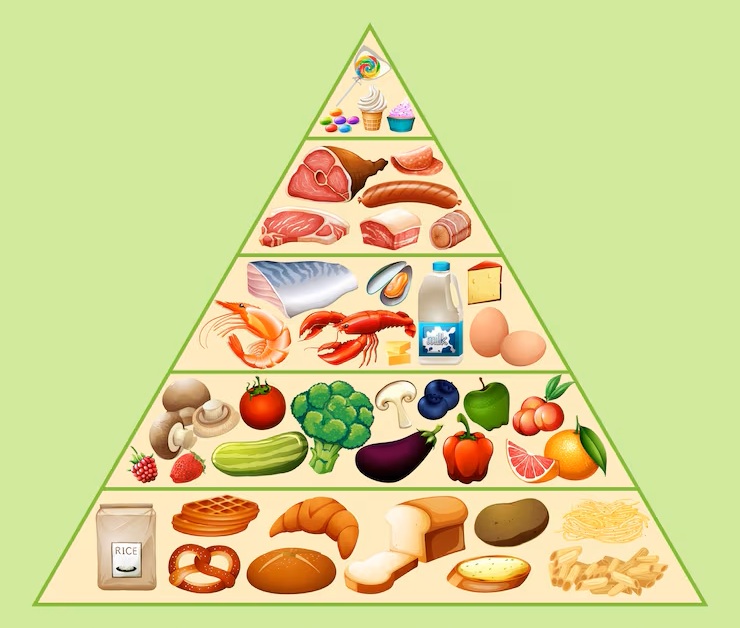
Food Optimising system: Free Foods (eat freely — lean meat, fish, vegetables, fruit, pasta, rice, potatoes), Healthy Extras (measured portions of calcium and fibre), and Syns (a daily allowance for treats and higher-calorie foods).
Slimming World is a British group weight-management programme founded in 1969, based on a proprietary Food Optimising system. Rather than counting calories, it categorises foods into three groups: Free Foods (eat freely — lean meat, fish, eggs, vegetables, fruit, pasta, rice, potatoes), Healthy Extras (measured portions for calcium and fibre), and Syns (a daily allowance for treats and higher-calorie items).
The key distinction: pasta, rice and potatoes are Free Foods — an unusual and appealing feature for people who find conventional calorie-counting diets too restrictive. The Syn system provides flexibility without complete prohibition of any food.
The programme operates primarily through weekly group meetings with a trained consultant, weigh-ins and peer support — a social model backed by research on accountability in weight loss. It is available mainly in the UK and Ireland.
History and origin
Slimming World was founded by Margaret Miles-Bramwell in Derbyshire, UK, in 1969. As a young woman she had struggled with her own weight and was dissatisfied with existing diet approaches, which she found joyless and unsustainable. She developed the Food Optimising concept based on the idea that people could lose weight while still eating satisfying quantities of food, by focusing on food choice rather than portion restriction.
The programme grew through a network of community groups run by trained consultants, most of whom were members who had successfully lost weight on the programme — creating an authentic peer-support model. By the 2020s, Slimming World had grown to over 20,000 weekly groups across the UK and Ireland, with millions of members, making it one of the largest weight-management organisations in the world.
Slimming World has been notable for its engagement with the NHS: it has published research in peer-reviewed journals and participated in clinical evaluations, distinguishing it from many commercial diet programmes that operate without academic scrutiny. Criticism has focused on the commercial aspects, the long-term sustainability of the Syn framing, and the geographical limitations of the group model.
+ What you eat and what you avoid
✓ What you eat
- Free Foods (unlimited): lean meat and poultry, fish, eggs, vegetables, fruit, pasta, rice, potatoes, legumes, fat-free dairy
- Healthy Extras: measured portions of dairy (calcium) and wholegrain bread/cereals (fibre)
- Syns: any food not in the above categories, within a daily allowance (typically 5–15 Syns/day)
✕ What you avoid
- No food is completely banned — everything can be eaten within the Syn allowance
- High-Syn foods to limit: oils, butter, sweets, alcohol, processed snacks
+ Sample one-day menu
+ Pros and cons
Pros
- No traditional calorie counting — the system is intuitive once learned
- Very flexible — no food is forbidden
- Group support model with proven effectiveness
- Free Foods include pasta, rice, potatoes — unusual for a weight-loss diet
Cons
- Requires a paid membership
- The Syn system still requires tracking
- Group sessions may not suit everyone
- Available primarily in the UK and Ireland — limited international reach
+ ⚠️ Who should avoid this diet
- No specific medical contraindications for healthy adults
- People with eating disorders: the Syn labelling of certain foods as less desirable may be triggering
Indicative list. Before starting any diet, especially if you have a medical condition, consult a doctor or nutritionist.
Întrebări frecvente
What is a Syn?
A Syn (short for synergy) is the Slimming World unit for foods that are not Free Foods or Healthy Extras. Every food has a Syn value based approximately on its caloric content. Members are allowed 5–15 Syns per day, giving them flexibility to include treats without derailing progress.
Why are pasta, rice and potatoes Free Foods?
Slimming World's Food Optimising philosophy categorises foods by their satiety-to-calorie ratio. Pasta, rice and potatoes are relatively filling for their caloric content and most people don't overeat them without added fat. The system encourages eating these filling carbohydrates rather than higher-Syn alternatives like crisps or pastries.
Does Slimming World work?
Clinical evaluations have shown positive results. A study published in the British Medical Journal (2014) found that GP-referred patients attending Slimming World achieved greater weight loss than those receiving standard care. Group support and weekly weigh-ins improve accountability and adherence.