


High-Protein
Scarsdale Diet
Fixed 14-day menu at approximately 1,000 kcal/day, high in protein, low in fat and carbohydrates, without any deviations. The same menu repeats every week.
The Scarsdale diet is a strict 14-day high-protein, low-calorie programme developed by American cardiologist Herman Tarnower of Scarsdale, New York. It provides a fixed daily menu at approximately 1,000 kcal per day — which is below the minimum nutritional standards recommended today.
The main appeal: extreme simplicity (no decisions, everything specified) and rapid weight loss in 14 days. The drawbacks: very restrictive, monotonous, with a low caloric intake that can cause fatigue and muscle loss, and a significant risk of weight regain after the programme ends.
The Scarsdale diet is primarily of historical interest today — it was one of the most popular diets in the late 1970s and early 1980s in the United States and internationally. Modern nutritional medicine has moved well beyond fixed very-low-calorie menus.
History and origin
Herman Tarnower was a cardiologist based in Scarsdale, New York, who developed a diet he gave to his patients and shared informally for years. He co-authored The Complete Scarsdale Medical Diet (1978) with journalist Samm Sinclair Baker. The book became an immediate bestseller, reaching the top of the New York Times chart for 13 consecutive weeks and selling over 5 million copies in the United States, with translations in multiple languages.
The diet became culturally significant through a tragic incident: in 1980, Herman Tarnower was shot by Jean Harris, the headmistress of a prestigious private school with whom he had maintained a long romantic relationship. The murder trial attracted massive public attention and paradoxically generated further notoriety for the diet bearing the name of the victim. The case was the subject of books, films and documentaries.
In the early 1980s, the Scarsdale diet was one of the best-known diets in the world. With the 1990s and the rise of more flexible approaches (Montignac, Mediterranean), its popularity declined significantly. Today it is mentioned mainly in the context of the history of diet culture, as an example of the rigid, rule-based approach that dominated popular diet books before more personalised and sustainable approaches emerged.
+ What you eat and what you avoid
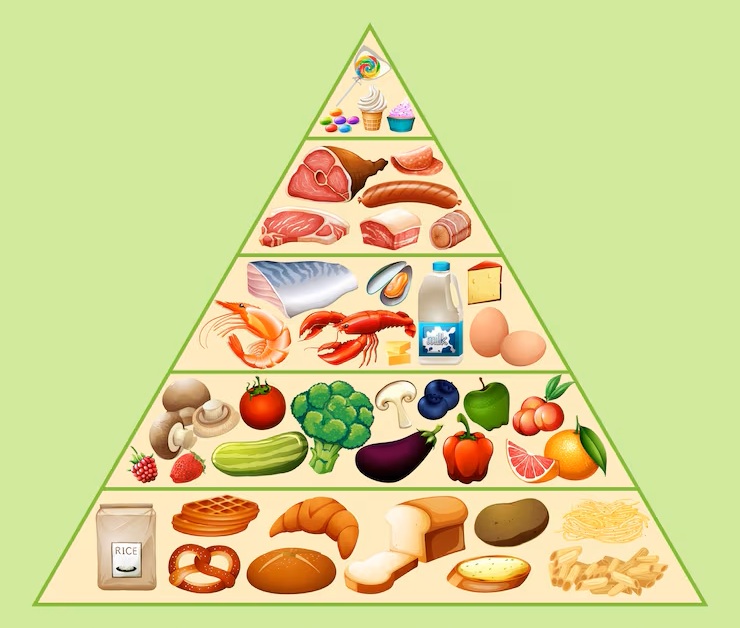
✓ What you eat
- Lean meat (chicken, turkey, veal)
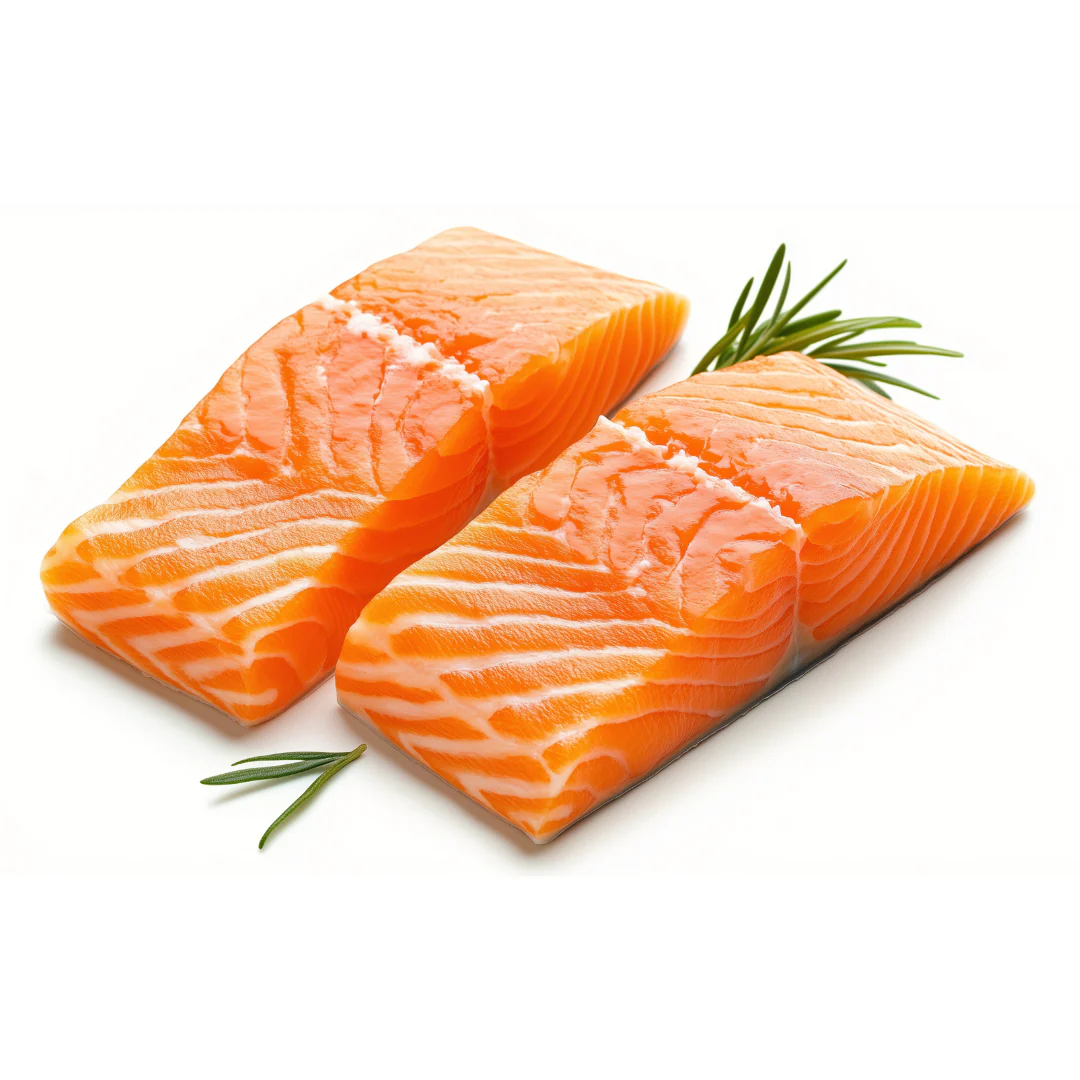
- Fish and seafood
- Eggs
- Vegetables (specific — listed in daily menu)
- Certain fruit (grapefruit daily, some berries)
- Wholemeal bread (1 slice per day)
✕ What you avoid
- Sugar and sweets
- Alcohol
- Dairy (milk, cheese, butter)
- Potatoes and starchy vegetables
- All fats and oils
- Any deviation from the fixed menu
+ Sample one-day menu
+ Pros and cons
Pros
- Very clear — nothing to decide
- Rapid short-term weight loss
- Short duration — 14 days
Cons
- Very restrictive and monotonous
- Very low caloric intake (~1,000 kcal) can cause fatigue and muscle loss
- Weight loss is partly water and glycogen
- High risk of weight regain after the 14 days
- No longer recommended by modern nutritional medicine
+ ⚠️ Who should avoid this diet
- Pregnant or breastfeeding women
- Diabetics
- People with heart, kidney or liver disease
- Children and adolescents
- Not recommended without medical supervision
Indicative list. Before starting any diet, especially if you have a medical condition, consult a doctor or nutritionist.
Întrebări frecvente
Is the Scarsdale diet still relevant today?
Historically yes — it was very popular in the late 1970s and 1980s. Today, however, nutritional medicine has moved away from fixed very-low-calorie menus towards personalised sustainable approaches. At 1,000 kcal per day, the Scarsdale diet is below the recommended minimum for healthy adults.
What is the 'keep-trim' phase of Scarsdale?
After 14 days of the strict diet, the original programme recommended two weeks of a more permissive 'keep-trim' phase before restarting the 14-day cycle. It was meant to reduce the risk of weight regain and metabolic adaptation.
Why grapefruit every morning?
The original belief was that grapefruit contains enzymes that help 'burn fat' — an idea not supported by modern science. However, grapefruit is low in calories and rich in fibre and vitamin C, and many weight-loss diets of the 1970s included it.