

Balanced
Pritikin Diet
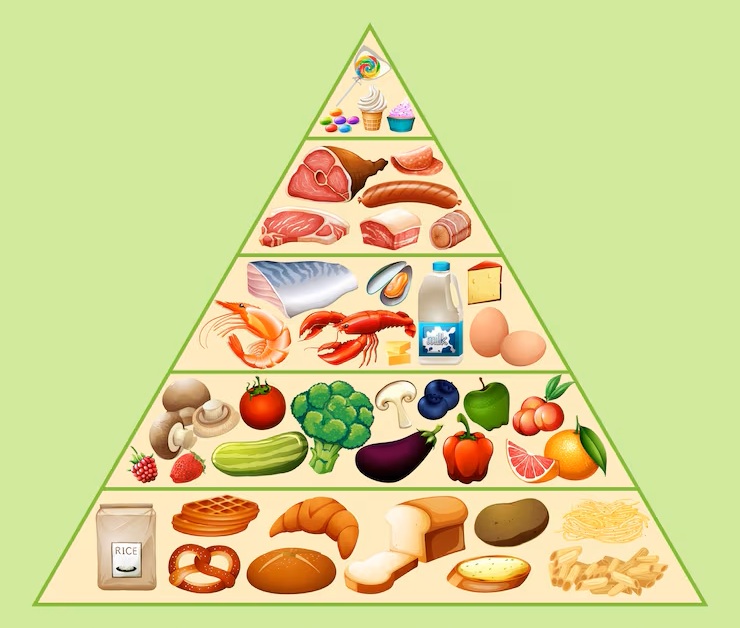
Very low fat (10–15% of calories), high in complex carbohydrates and fibre (fruit, vegetables, whole grains, legumes), with lean protein and daily exercise. Designed to reverse cardiovascular disease.
The Pritikin diet is a very-low-fat, high-fibre, plant-centred dietary approach developed by Nathan Pritikin in the 1970s, specifically to prevent and reverse cardiovascular disease and related metabolic conditions. It is one of the longest-studied dietary programmes in existence, with over 40 years of clinical research.
The formula: fat below 10–15% of calories (compared to 35–40% in the average Western diet), high complex carbohydrates (whole grains, legumes, vegetables), lean protein, and complete elimination of added oils and full-fat dairy. The programme is integrated with daily aerobic exercise as an essential component.
Like Ornish, Pritikin restricts all oils — including olive oil — a position that contradicts more recent Mediterranean diet evidence. It remains a significant historical and clinical reference, especially for metabolic disease management.
History and origin
Nathan Pritikin (1915–1985) was an American engineer and inventor with no formal medical training. Diagnosed with heart disease in his 40s and told there was nothing to be done, he studied the medical literature himself and developed a diet and exercise programme to manage his condition. He documented improvements in his own health and began working with patients, opening the Pritikin Longevity Center in Santa Barbara in 1976 (later moved to Miami).
His book The Pritikin Program for Diet and Exercise (1979), co-written with Patrick McGrady, became a bestseller and established the programme’s reputation. At a time when the prevailing advice for heart disease was rest and medication, Pritikin advocated intensive diet and lifestyle change — a radical position for the era.
His approach attracted both strong support and fierce opposition from the medical community. A key early study published in the New England Journal of Medicine in 1980 by James Anderson showed cardiovascular benefits comparable to Pritikin’s claims. Over the following decades, the Pritikin Longevity Center published dozens of peer-reviewed papers documenting improvements in blood pressure, LDL cholesterol, blood glucose and weight in programme participants.
Nathan Pritikin died in 1985 after a battle with leukaemia (a disease unrelated to his diet); an autopsy confirmed his coronary arteries were almost entirely free of atherosclerosis — a finding his supporters highlighted as vindication of his approach.
+ What you eat and what you avoid
✓ What you eat
- Vegetables (unrestricted)
- Fruit (in moderate quantities)
- Whole grains (oats, brown rice, whole wheat bread, corn)
- Legumes (lentils, beans, chickpeas)
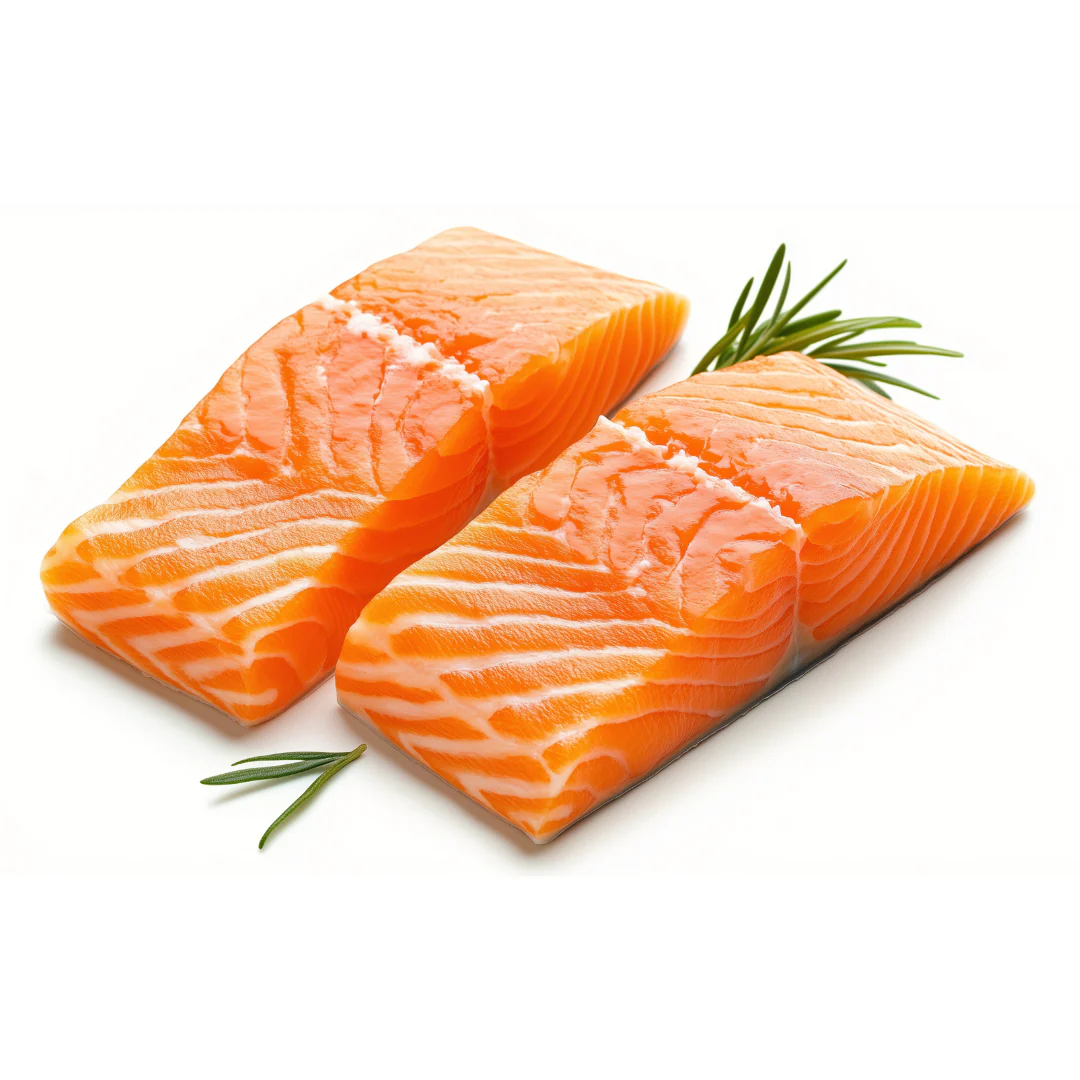
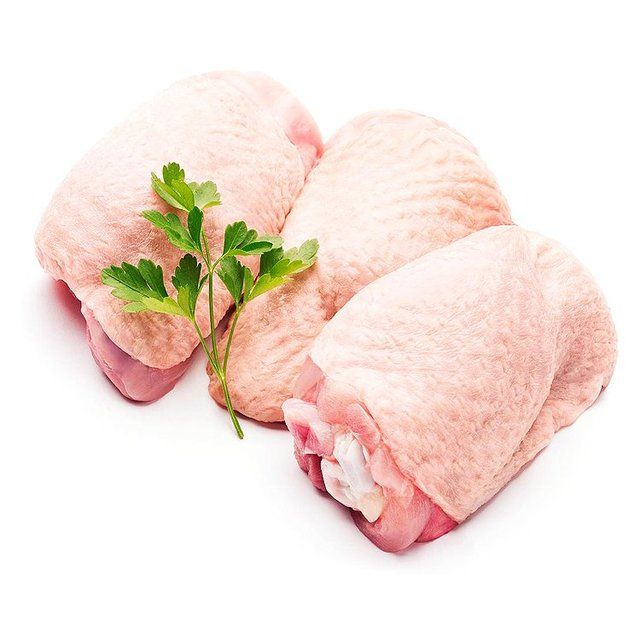
- Lean protein (chicken without skin, fish, egg whites)
- Skimmed dairy
✕ What you avoid
- All added oils, including olive oil
- Full-fat dairy (cheese, butter, cream)
- Fatty meats and processed meat
- Egg yolks (in large quantities)
- Sugar and refined carbohydrates
- Sodium — restricted to maximum 1,500 mg/day
+ Sample one-day menu
+ Pros and cons
Pros
- Clinically studied for over 40 years with documented cardiovascular benefits
- Significant reduction in LDL cholesterol and blood pressure
- High fibre intake supports satiety and digestive health
- Effective for long-term weight loss
Cons
- Very restrictive — eliminates all oils, including olive oil
- Difficult to follow socially and practically
- Low-fat dietary advice contradicts some newer findings on olive oil and healthy fats
- Risk of deficiency in fat-soluble vitamins and essential fatty acids
+ ⚠️ Who should avoid this diet
- The full programme requires medical supervision
- Not suitable as a general population diet without adaptation
Indicative list. Before starting any diet, especially if you have a medical condition, consult a doctor or nutritionist.
Întrebări frecvente
How does the Pritikin diet differ from the Ornish diet?
Both are very-low-fat and plant-centred, but there are differences: Pritikin allows small amounts of lean meat and fish from the start; Ornish is strictly plant-based. Pritikin has a longer research tradition (since the 1970s), while Ornish has a more comprehensive lifestyle component (yoga, stress management, support groups).
Is the Pritikin diet still relevant?
Yes — the Pritikin Longevity Center in Miami continues to operate and conducts research. The 40+ years of published clinical data remain a strong evidence base. However, the absolute prohibition on oils (including olive oil) has been questioned in light of Mediterranean evidence, and modern versions of the programme have evolved.
Is the Pritikin diet good for diabetes?
Multiple studies from the Pritikin Longevity Center and independent researchers have shown that the programme significantly improves insulin sensitivity and blood glucose control in type 2 diabetes. It is considered one of the most evidence-based dietary approaches for metabolic syndrome.