

Plant-Based
Pescatarian Diet
All plant foods, eggs and dairy are allowed, plus fish and seafood. No meat or poultry. A practical middle ground between vegetarianism and omnivore eating.
The pescatarian diet (or pescetarian) is a vegetarian-based approach that includes fish and seafood, while excluding meat (beef, pork, lamb) and poultry. It combines the benefits of a plant-based diet — high in fibre, antioxidants and low in saturated fat — with the nutritional richness of fish, particularly omega-3 fatty acids.
Unlike veganism or strict vegetarianism, the pescatarian diet is nutritionally complete without requiring supplementation: fish, dairy and eggs cover vitamin B12, omega-3, calcium and iron — nutrients that can be deficient on a vegan diet.
It is considered one of the most practical and sustainable of the partially plant-based diets: flexible, socially easy to follow (fish is available in almost any restaurant), and associated with better cardiovascular and metabolic health compared to omnivore diets.
History and origin
The term “pescatarian” (from Italian pesce, fish, and vegetarian) was used from at least the early 1990s in the English-speaking world, though its exact origin is unclear. The concept of eating fish but not meat has existed in various cultural traditions for centuries — many Catholic countries practised it on Fridays, and numerous Buddhist and Hindu communities have long incorporated fish while avoiding red meat.
Scientific interest in the pescatarian approach grew alongside the accumulation of evidence for the health benefits of the Mediterranean diet — which naturally includes fish — and the growing body of research on omega-3 fatty acids. The EPIC (European Prospective Investigation into Cancer and Nutrition) study, which followed hundreds of thousands of participants across Europe, provided significant data on the health outcomes of pescatarians compared to omnivores, vegetarians and vegans, generally showing favourable outcomes for fish-eaters.
Today the pescatarian diet is one of the most popular semi-vegetarian approaches, especially in Western countries. It has been adopted by many people as a middle ground between the ethical and environmental motivations of vegetarianism and the nutritional convenience of an omnivore diet.
+ What you eat and what you avoid
✓ What you eat
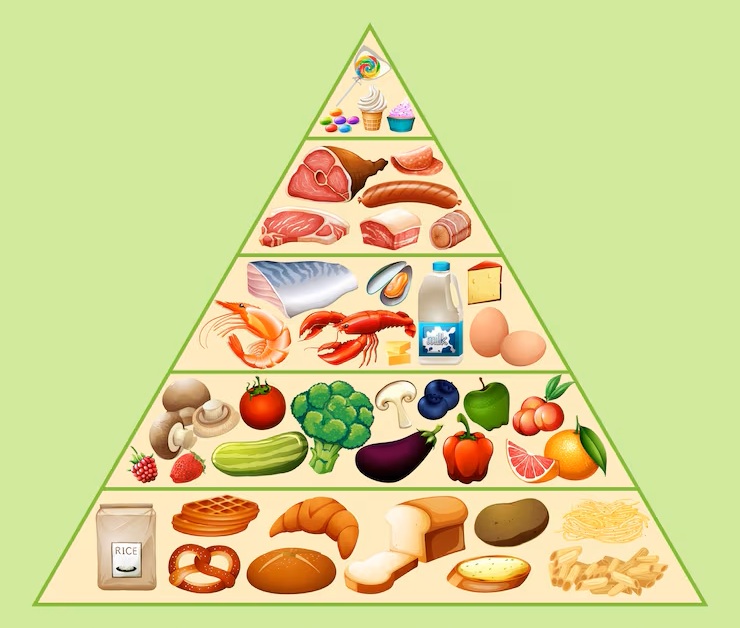
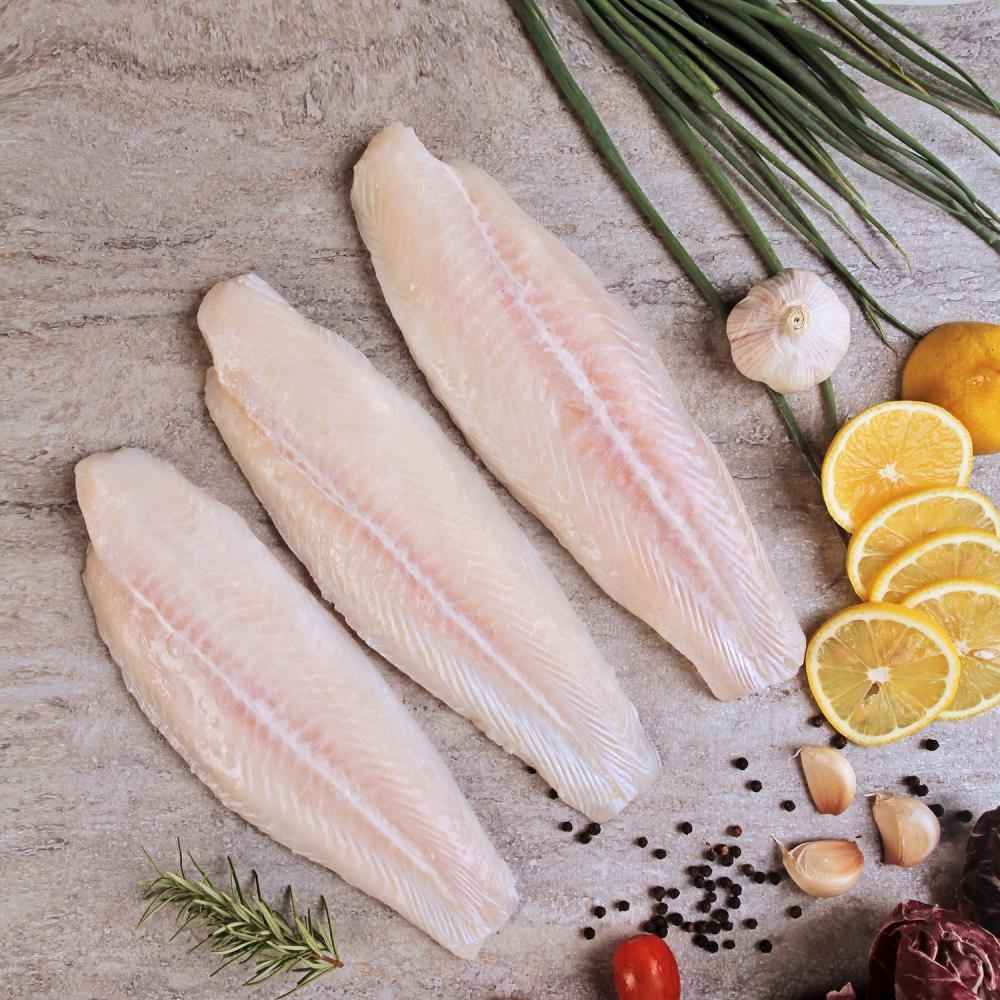
- Fish and seafood (all types)
- Vegetables and fruit
- Whole grains
- Legumes
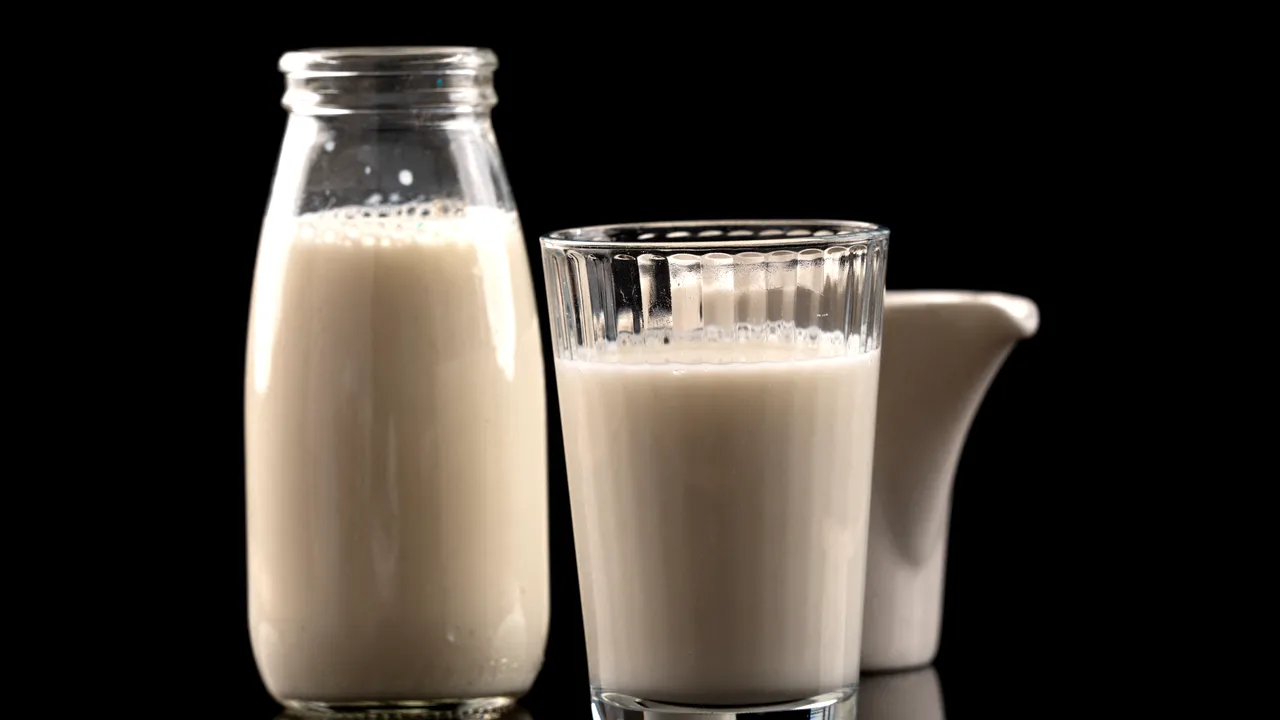
- Dairy
- Eggs
- Nuts and seeds
- Healthy fats (olive oil, avocado)
✕ What you avoid
- Meat (beef, pork, lamb)
- Poultry (chicken, turkey)
- Processed meat (sausages, cold cuts)
+ Sample one-day menu
+ Pros and cons
Pros
- Rich in omega-3 fatty acids from fish
- Nutritionally complete — no supplementation required
- Associated with reduced cardiovascular disease risk
- Flexible and easy to follow socially
- Lower environmental footprint than omnivore diet with red meat
Cons
- Environmental concerns about overfishing (depending on fish source)
- Concerns about mercury and pollutants in some fish (tuna, swordfish)
- More expensive than a diet based on meat substitutes
+ ⚠️ Who should avoid this diet
- Fish allergy or seafood allergy
- Pregnant women: should avoid high-mercury fish (swordfish, large tuna, shark)
Indicative list. Before starting any diet, especially if you have a medical condition, consult a doctor or nutritionist.
Întrebări frecvente
Is the pescatarian diet nutritionally complete?
Yes — unlike veganism, the pescatarian diet does not require supplementation because fish, dairy and eggs cover vitamin B12, omega-3, calcium and iron needs. It is considered one of the most nutritionally complete variants of the plant-based diet.
How much fish should I eat on a pescatarian diet?
Most guidelines recommend 2–3 servings of fish per week, including at least one of fatty fish (salmon, mackerel, sardines) for omega-3. There is no maximum limit, but variety is recommended to reduce exposure to contaminants in any single species.
What is the difference between pescatarian and flexitarian?
Pescatarians eliminate all meat and poultry but include fish — a consistent rule. Flexitarians reduce meat overall (including poultry and red meat) without fully eliminating it. In practice, many flexitarians eat similar amounts of fish but also occasionally eat meat.