
Plant-Based
Pegan Diet
75% plant foods (vegetables, fruit, nuts, seeds, legumes in moderation), 25% high-quality animal protein (grass-fed meat, wild fish, eggs). No dairy, gluten, refined sugar or processed foods.
The pegan diet is a hybrid approach created by American physician Dr Mark Hyman, combining the best elements of Paleo and vegan diets. The formula: 75% plant foods (vegetables, fruit, nuts, seeds, legumes in moderation) and 25% quality animal protein (grass-fed meat, wild fish, eggs).
It eliminates dairy, gluten, refined sugar and processed foods — elements both paleo and vegan agree on — and resolves the main tensions between the two approaches through a pragmatic compromise. Unlike strict paleo, pegan allows legumes in moderation. Unlike veganism, it allows animal products in reasonable quantities.
The result is a diet that is nutritionally rich and balanced, practically sustainable and without extreme restrictions. It is not designed as a rapid weight-loss diet but as a sustainable lifestyle based on food quality.
History and origin
Dr Mark Hyman, functional medicine physician and director of the Cleveland Clinic Center for Functional Medicine, coined the term “pegan” in a blog post in 2014 — initially, he admits, as a provocative joke about the absurdity of heated debates between paleo and vegan advocates. He noted that, despite apparent opposition, both approaches share fundamental principles: whole, unprocessed foods, no refined sugar, no dairy, no gluten.
The concept caught immediate attention and Hyman developed it into a comprehensive programme. His book The Pegan Diet was published in 2021 and systematised the approach with detailed guidelines, recipes and scientific evidence for the choices made. Hyman was already a well-known author with multiple bestsellers on functional medicine and nutrition (Eat Fat, Get Thin; Food: What the Heck Should I Eat?), which gave the pegan concept a large ready audience.
The pegan diet fits into a broader trend of hybrid dietary approaches that seek to transcend ideological divisions between plant-based and animal-based advocates, emphasising food quality over categorical exclusion. It attracted particular interest among people who had tried both paleo and vegan and found both too extreme, looking for a practical middle ground.
+ What you eat and what you avoid
✓ What you eat
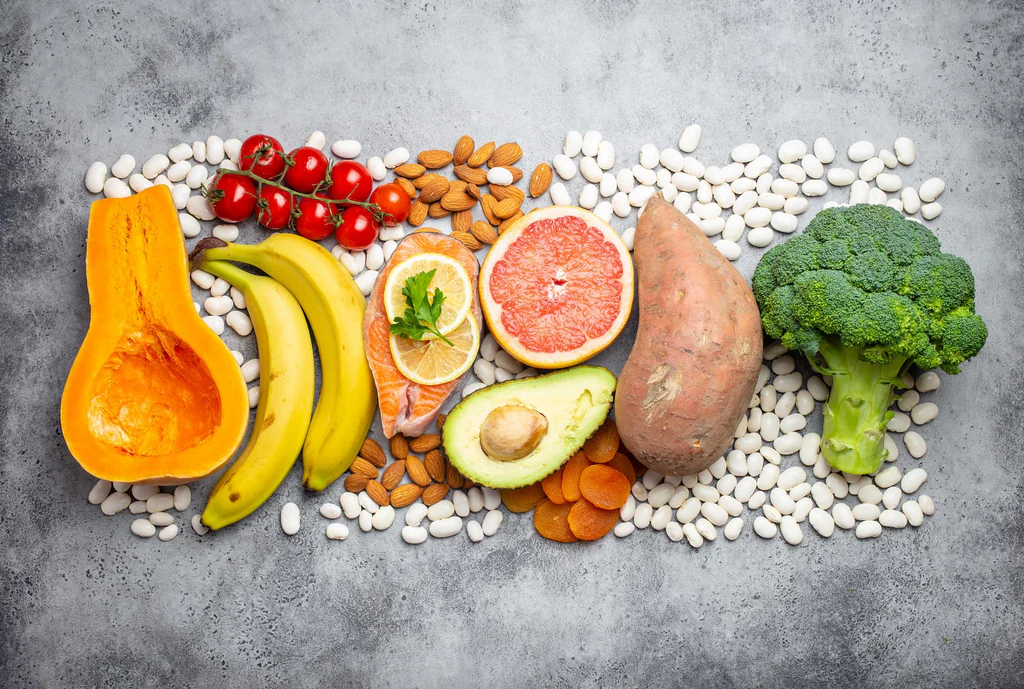
- Vegetables (the majority — 50–75% of the plate)
- Fruit (in moderate quantities)
- Nuts and seeds
- Healthy fats (avocado, olive oil, coconut oil)
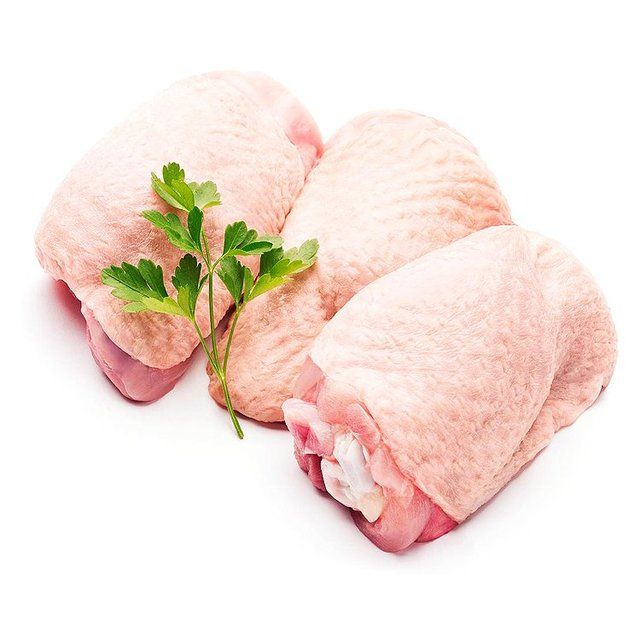
- Grass-fed or pasture-raised meat (in small portions)
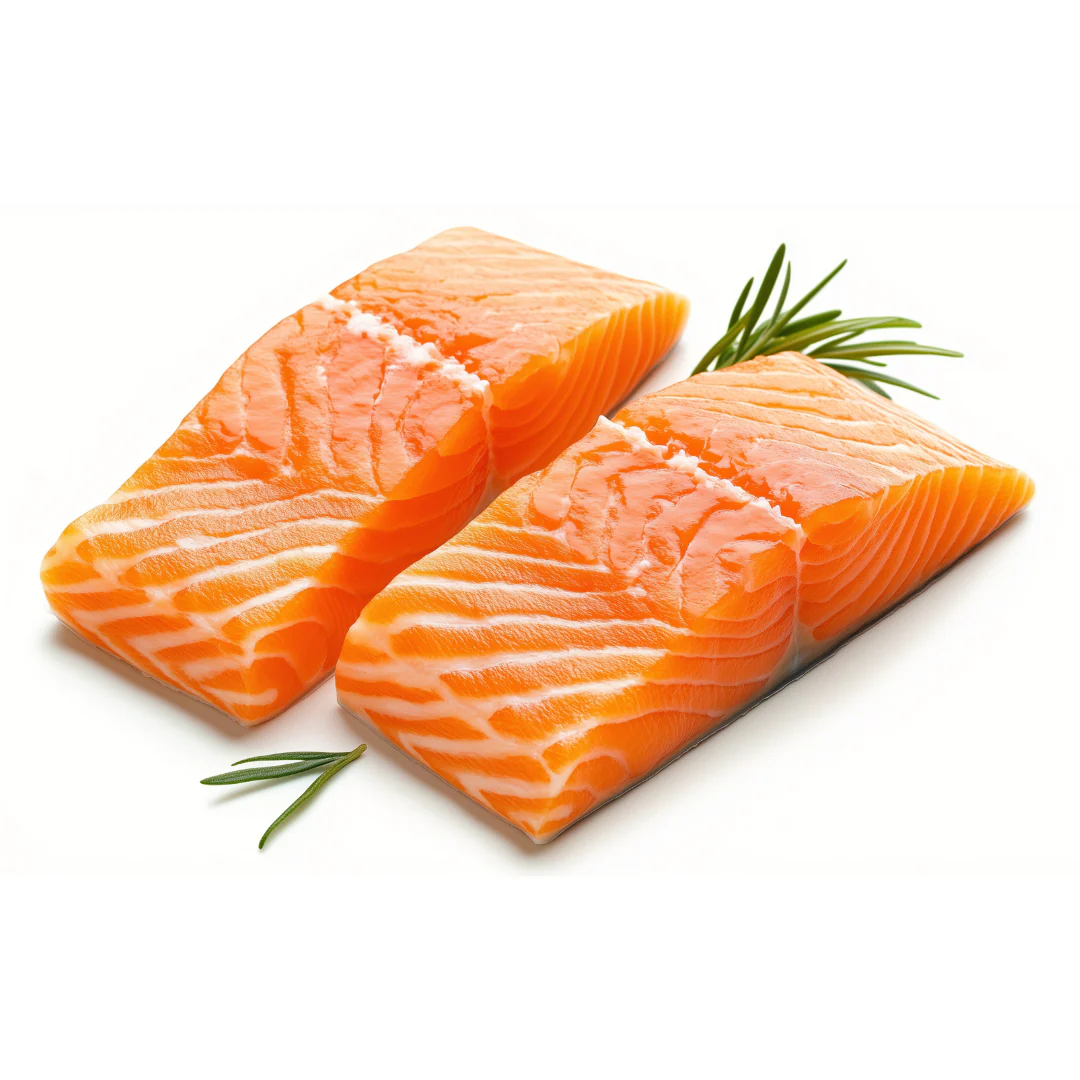
- Wild-caught fish, especially fatty fish
- Eggs
- Legumes (in moderate quantities — tolerated unlike strict paleo)
✕ What you avoid
- Dairy (milk, cheese, butter)
- Gluten (wheat, barley, rye)
- Refined sugar and sweetened beverages
- Processed foods and artificial additives
- Processed vegetable oils
- Excess grains (even gluten-free)
+ Sample one-day menu
+ Pros and cons
Pros
- Nutritionally balanced — combines benefits of both paleo and plant-based
- Flexible — suitable for various personal preferences
- High in fibre, antioxidants and omega-3
- No calorie counting
Cons
- Eliminates common food groups (dairy, gluten)
- Can be expensive — quality animal products and organic produce cost more
- Complex for beginners who need to learn the rules of two different approaches simultaneously
+ ⚠️ Who should avoid this diet
- No major medical contraindications for healthy adults
- People with calcium deficiency should be careful about eliminating dairy
Indicative list. Before starting any diet, especially if you have a medical condition, consult a doctor or nutritionist.
Întrebări frecvente
What is the 75/25 rule in the pegan diet?
75% of the plate should consist of plant foods (vegetables, fruit, nuts, seeds, limited legumes) and 25% of high-quality animal protein. In practice this means vegetables dominate every meal, with meat or fish as a side dish rather than the main event.
Why does the pegan diet allow legumes, unlike strict paleo?
Mark Hyman, the diet's author, took a pragmatic position: legumes are nutritious (rich in fibre and protein) and the paleo argument against them is less solid than against grains or dairy. He allows moderate quantities — especially lentils and smaller beans — but limits large, higher-phytate quantities.
Is the pegan diet suitable for weight loss?
Yes — the high intake of fibre and protein, elimination of processed foods and reduction in sugar produce a natural caloric deficit for many people. It is not a rapid weight-loss diet but produces gradual and sustainable results.