


Low-Carb
Paleo Diet
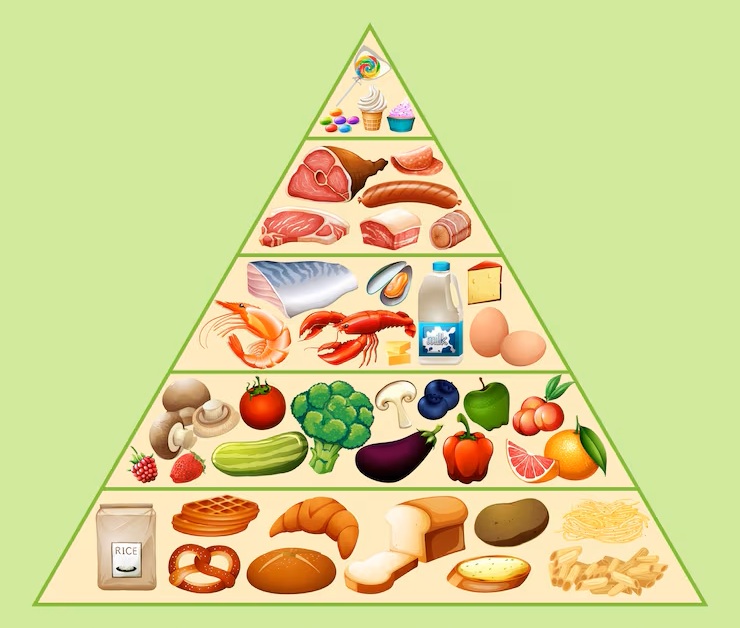
Eat foods that would have been available to Paleolithic ancestors: meat, fish, eggs, vegetables, fruit, nuts and seeds. Eliminate all products of agriculture and processing: grains, dairy, legumes, sugar, processed oils.
The Paleo diet (Paleolithic diet) is based on the idea of eating foods that would have been available to our Paleolithic ancestors before the advent of agriculture: meat, fish, eggs, vegetables, fruit, nuts and seeds. It eliminates all products of agriculture and modern food processing: grains, dairy, legumes, refined sugar and processed oils.
The logic is evolutionary: proponents argue that the human body is better adapted to pre-agricultural foods and that chronic diseases (obesity, diabetes, cardiovascular disease) emerged with the introduction of agricultural and processed products. This argument is contested by anthropologists who note that prehistoric diets varied enormously across regions and populations.
Nutritionally, paleo is a diet high in protein, fibre and natural fat, low in refined carbohydrates. It eliminates some nutritious food groups (dairy, legumes, whole grains) — a source of criticism for long-term nutritional completeness.
History and origin
The theoretical basis for a diet inspired by Paleolithic eating was proposed independently by several researchers in the second half of the twentieth century. Gastroenterologist Walter Voegtlin argued in The Stone Age Diet (1975) that humans are carnivores by nature and that a meat-based diet is optimal — an extreme position not subsequently endorsed by the nutritional community.
The first comprehensive academic formulation came in a 1985 article by S. Boyd Eaton and Melvin Konner in the New England Journal of Medicine — one of the most prestigious medical journals — entitled “Paleolithic Nutrition”. Eaton and Konner analysed available anthropological data and proposed a balanced diet of lean meat, fish, fruit and vegetables, arguing it was consistent with evolutionary biology. This article gave scientific credibility to the concept.
The popularisation to a broad audience came through Loren Cordain, an exercise physiology professor at Colorado State University, who published The Paleo Diet in 2002. Cordain drew on Eaton’s work and developed it into a comprehensive protocol, describing the modern paleo diet as it is commonly known. The book sold over a million copies and sparked a movement. Robb Wolf, a student of Cordain, further popularised it through The Paleo Solution (2010) and extensive online presence, contributing to the paleo diet’s peak of popularity in the 2010s.
+ What you eat and what you avoid
✓ What you eat
- Meat and poultry (preferably grass-fed)
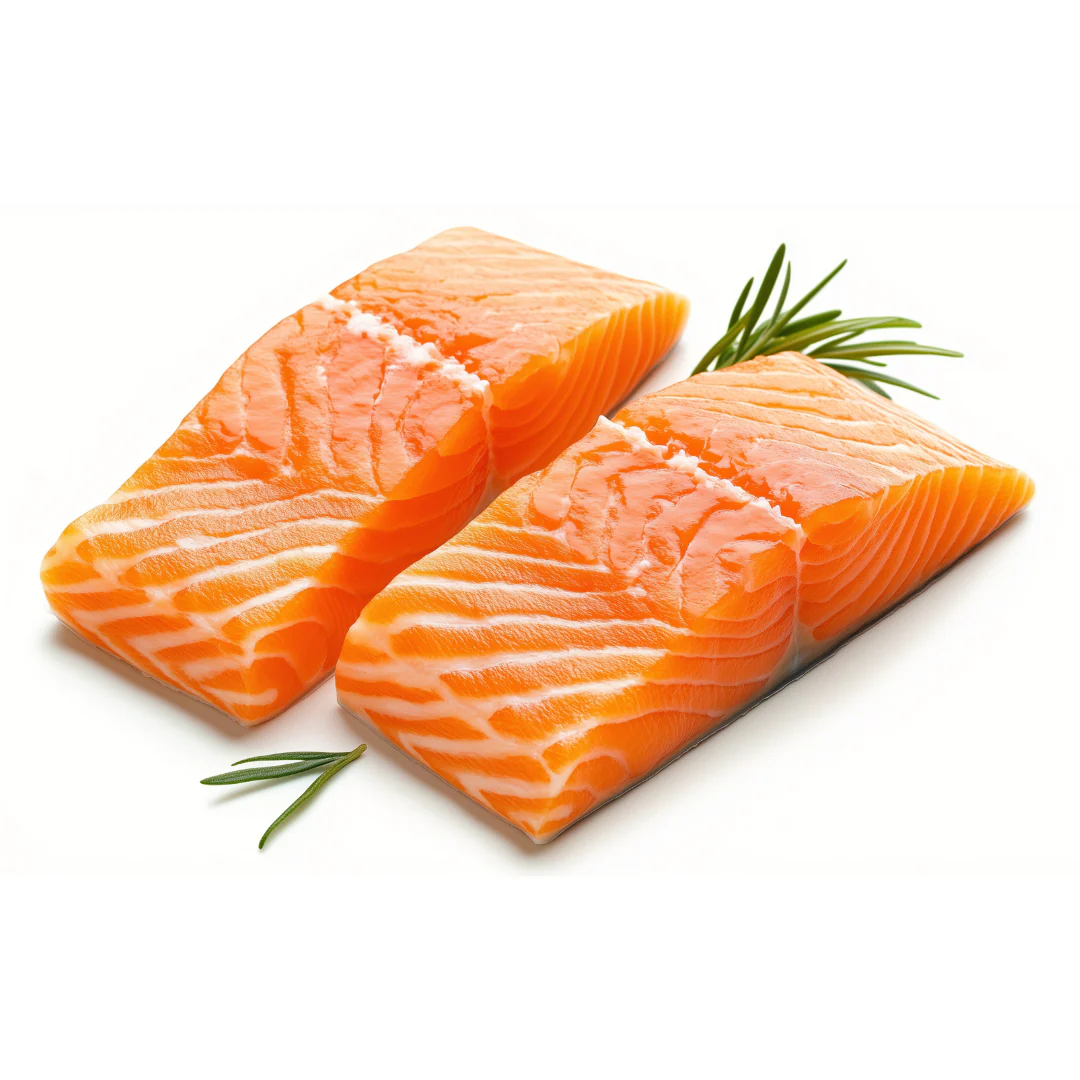
- Fish and seafood
- Eggs
- Vegetables (all types)
- Fruit (in moderate quantities)
- Nuts and seeds
- Natural fats (coconut oil, lard, olive oil, avocado)
- Tubers and roots (sweet potatoes, beetroot)
✕ What you avoid
- Grains (wheat, rice, oats, corn)
- Dairy (milk, cheese, butter)
- Legumes (beans, lentils, peanuts)
- Refined sugar
- Processed vegetable oils (soybean, sunflower, rapeseed)
- Processed and packaged foods
- Alcohol (in most variants)
+ Sample one-day menu
+ Pros and cons
Pros
- Eliminates processed foods and refined sugar
- High in protein and fibre
- Can reduce appetite and support weight loss
- Naturally gluten-free and lactose-free
Cons
- Eliminates entire nutritious food groups (dairy, legumes, whole grains)
- Expensive — meat-heavy
- The 'Paleolithic ancestor' argument is debated by anthropologists
- Limited research on long-term effects
+ ⚠️ Who should avoid this diet
- Kidney disease (high protein intake)
- Osteoporosis risk (lack of dairy calcium)
- People needing a high-carbohydrate intake (endurance athletes)
Indicative list. Before starting any diet, especially if you have a medical condition, consult a doctor or nutritionist.
Întrebări frecvente
Is the paleo diet scientifically supported?
The evidence is mixed. Some short-term studies show benefits for weight, blood sugar and cardiovascular markers. Anthropologists criticise the premise that Paleolithic humans ate a single homogeneous diet — in reality, prehistoric diets varied enormously by region and season. Long-term controlled studies are limited.
Why are dairy, grains and legumes excluded?
The paleo argument is that these foods became available only with the advent of agriculture (~10,000 years ago) and that our digestive system has not fully adapted to process them. Evolutionary medicine proponents argue that modern chronic diseases emerged with agricultural foods. This argument is controversial among evolutionary biologists.
Is the paleo diet suitable for vegetarians?
It is very difficult — the main protein sources (meat, fish, eggs) exclude all vegetarian options if dairy and legumes are also eliminated. There are 'vegetarian paleo' variants, but they are extremely restrictive and nutritionally difficult to balance.