
Plant-Based
Ornish Diet
Very-low-fat diet (less than 10% of calories from fat), almost exclusively plant-based, combined with exercise, stress management and social support. Developed as a cardiac-reversal protocol.
The Ornish diet is a very-low-fat, almost entirely plant-based dietary approach developed by American cardiologist Dr Dean Ornish. Its distinguishing feature: it was clinically proven in controlled studies to reverse coronary artery disease — not merely halt its progression — without medication or surgery.
The protocol: less than 10% of calories from fat (compared to 30–40% in an average Western diet), no meat, no oils, fat-free dairy only, no egg yolks. The full Ornish programme integrates four components: diet, exercise, stress management and social support.
It is one of the most restrictive dietary approaches in existence, and adherence long-term is very challenging. It was developed for a specific purpose — cardiac reversal — and is not intended as a general-public diet. The US Medicare system covers it as a medically supervised cardiac rehabilitation programme.
History and origin
Dean Ornish began his research in the 1970s as a student at Harvard Medical School and the University of California, San Francisco (UCSF), inspired by his cardiologist mentor Meyer Friedman and by meetings with yoga teacher Swami Satchidananda, who influenced his thinking on the holistic role of lifestyle in disease.
His seminal study — the Lifestyle Heart Trial — was published in The Lancet in 1990. For the first time in a randomised controlled trial, Ornish showed that a combination of a very-low-fat diet, exercise, stress management and group support led to measurable reversal of coronary artery atherosclerosis at 1 year, confirmed at 5 years. The result was extraordinary because it challenged the prevailing view that heart disease could only be slowed, not reversed.
The study, though small (48 patients), generated significant scientific and media impact. Ornish published Dr. Dean Ornish’s Program for Reversing Heart Disease (1990), which became a bestseller and established his reputation. He subsequently conducted research on prostate cancer and telomere length, finding similar benefits from comprehensive lifestyle changes. In 2010, Medicare approved the Ornish programme as a covered cardiac rehabilitation service — a significant regulatory validation, making it one of the few diet programmes backed by clinical evidence and government health coverage.
+ What you eat and what you avoid
✓ What you eat
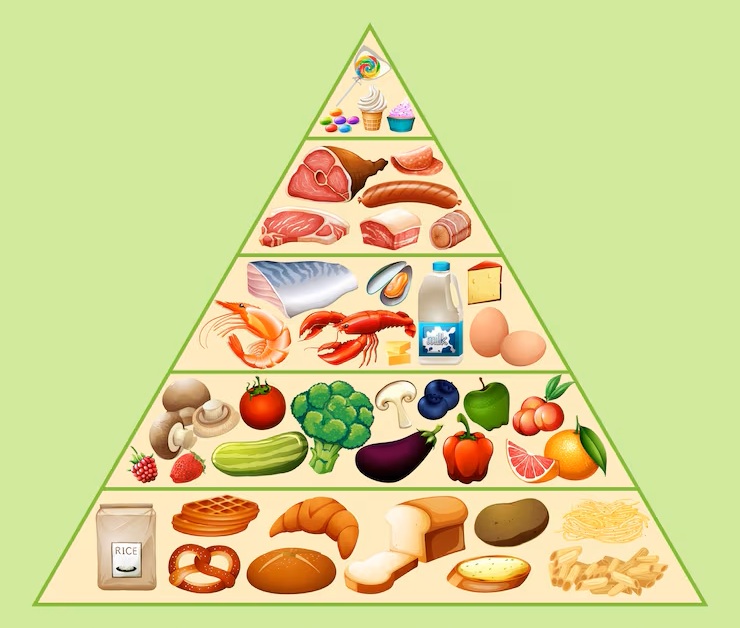
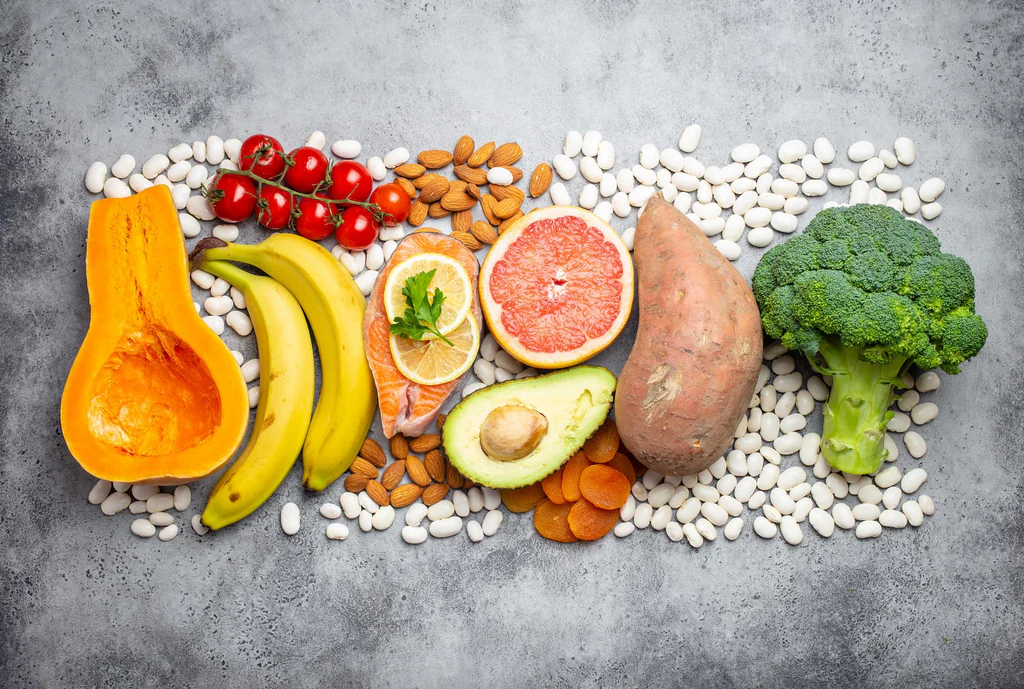
- Fruit and vegetables (unrestricted)
- Whole grains (brown rice, wholemeal bread, pasta)
- Legumes (lentils, beans, chickpeas)
- Fat-free dairy (skimmed milk, non-fat yoghurt)
- Egg whites (no yolks — contain fat and cholesterol)
- Soya and tofu products
✕ What you avoid
- All meat, poultry and fish
- All oils, including olive oil
- Full-fat dairy (cheese, butter, cream)
- Egg yolks
- Sugar and refined carbohydrates
- Alcohol
+ Sample one-day menu
+ Pros and cons
Pros
- Clinically proven to reverse coronary heart disease (without medication in clinical studies)
- Reduces LDL cholesterol and blood pressure significantly
- Effective for weight loss
- Supported by Medicare in the US as a cardiac-reversal programme
Cons
- One of the most restrictive diets in existence — difficult to follow long-term
- Eliminating all oils, including olive oil, contradicts Mediterranean evidence
- Risk of nutritional deficiency (omega-3, vitamin B12, calcium)
- Challenging socially and practically
+ ⚠️ Who should avoid this diet
- The full Ornish programme is intended for cardiac patients, not the general public
- People with nutritional deficiency risks — requires supplementation and monitoring
- Not recommended without medical supervision for people with chronic diseases
Indicative list. Before starting any diet, especially if you have a medical condition, consult a doctor or nutritionist.
Întrebări frecvente
Why does the Ornish diet eliminate all oils, including olive oil?
Dr Ornish's position is that all fats — including plant-based ones — contribute to caloric density and that for reversal of heart disease, a very-low-fat diet is necessary. This contradicts evidence from Mediterranean studies showing cardiovascular benefits from olive oil. The debate between very-low-fat and Mediterranean-style approaches continues in cardiovascular nutrition.
Is the Ornish diet suitable for weight loss?
Yes — eliminating oils and fats significantly reduces caloric density, and the high intake of fibre-rich plant foods provides satiety. Many people lose weight significantly on the Ornish diet, but adherence long-term is very challenging.
What are the four pillars of the Ornish programme?
Diet (very-low-fat plant-based), exercise (30 minutes of aerobic exercise daily), stress management (yoga, meditation, relaxation techniques) and social support (group sessions). Ornish argues that all four components are necessary together for maximum benefit.