

Structured
Noom Diet
Changing eating habits through psychology (CBT), using a colour-coded food system (green, yellow, red) based on caloric density. Personalised daily coaching, logging and educational content.
Noom is a commercial digital weight-management programme that distinguishes itself from classical diets through a psychological approach: instead of simply restricting foods, it uses cognitive-behavioural therapy (CBT) principles to help users understand and change the habits, thoughts and emotions that underlie their eating behaviours.
In practice, the programme provides: a personalised daily calorie goal, a colour-coded food system (green/yellow/red based on caloric density), educational content on psychology and nutrition, food and activity logging, and access to a coaching team.
No food is completely forbidden — the philosophy is awareness and conscious choice, not prohibition. This approach makes Noom more flexible than traditional diet programmes, but also less structured for people who prefer clear rules.
History and origin
Noom was founded in New York in 2008 by Saeju Jeong and Artem Petakov, Korean and Ukrainian entrepreneurs respectively. The initial idea was to use mobile technology and psychology to create a weight management programme accessible to anyone with a smartphone, without the need for in-person consultations or physical support groups.
The company positioned itself from the start as science-based, collaborating with researchers from Cornell University and Columbia University to develop content and evaluate the programme. The core technology draws on decades of academic research in cognitive behavioural therapy for obesity, particularly the work of Aaron Beck and the application of CBT to eating disorders and weight management.
Noom expanded rapidly in the 2010s in the United States, particularly following an aggressive digital marketing campaign that prominently featured testimonials. By 2021, the company was reported to have over 50 million users and a valuation of $3.7 billion, positioning it for an IPO. The programme has attracted criticism for aggressive retention practices and subscription cancellation difficulties, generating formal complaints to consumer-protection agencies. Despite this, it remains one of the best-known digital weight management programmes globally, reflecting a broader shift from traditional diet books towards app-based coaching and behavioural interventions.
+ What you eat and what you avoid
✓ What you eat
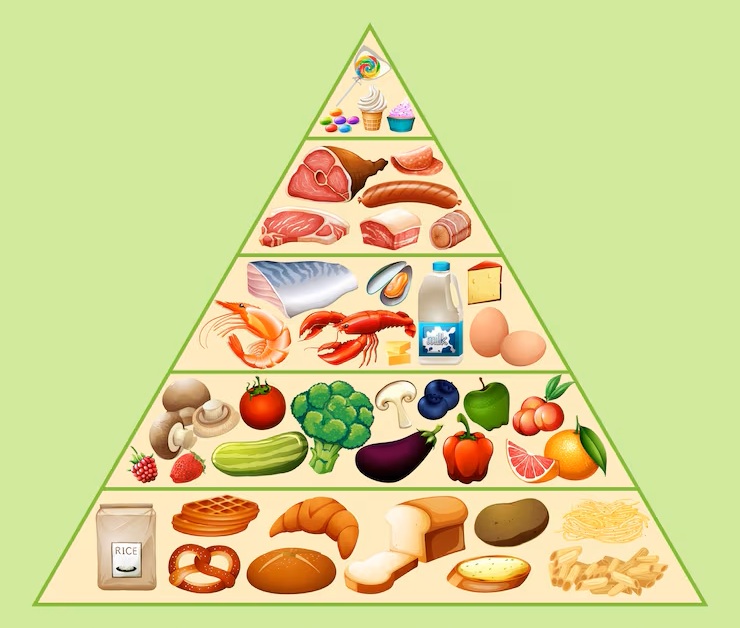
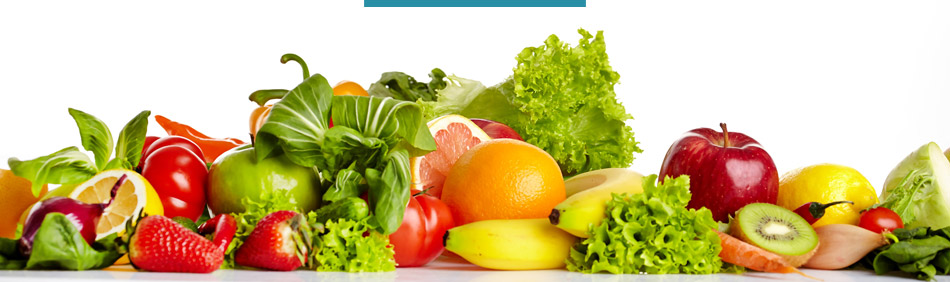
- Green (recommended): fruit, most vegetables, whole grains, fat-free dairy
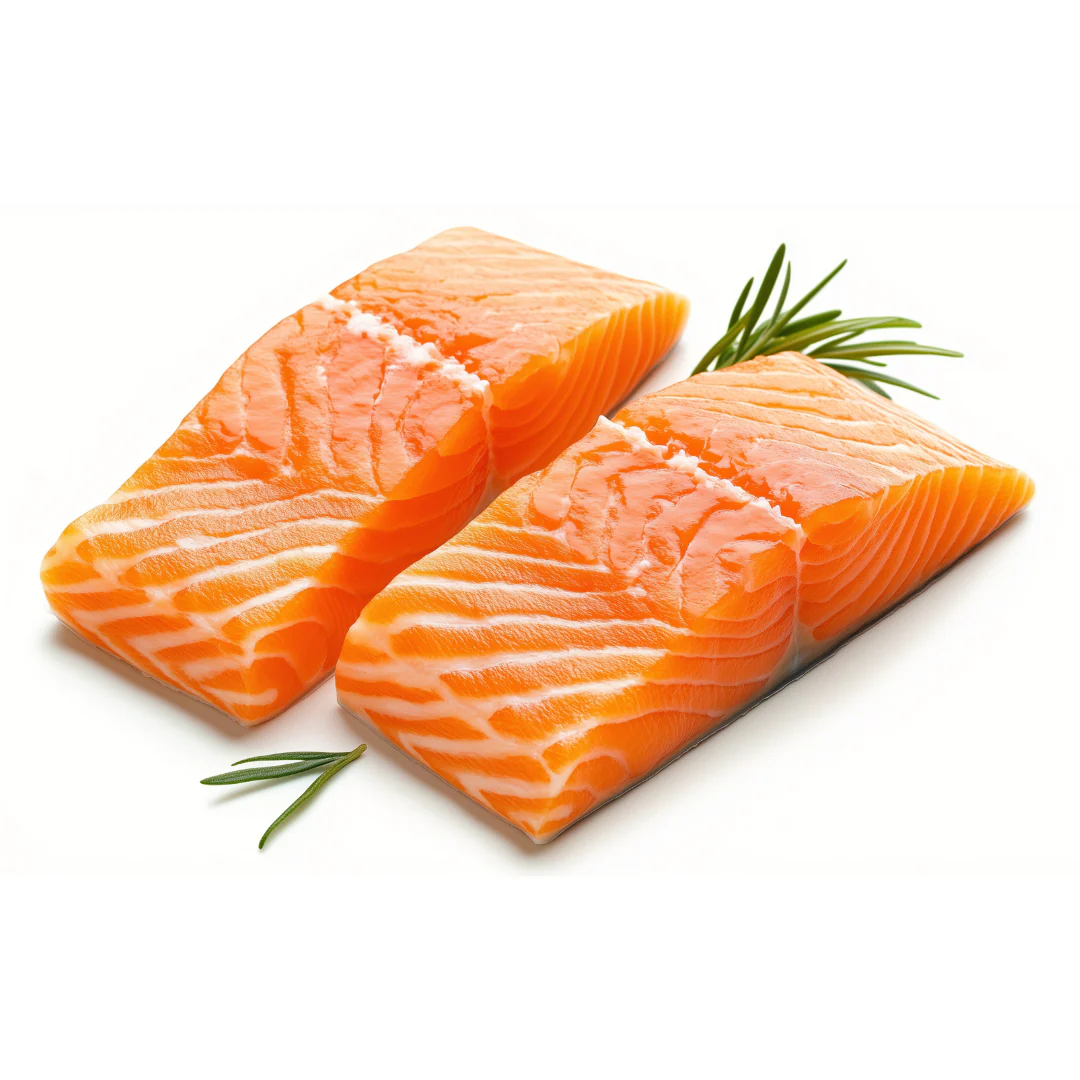
- Yellow (in moderation): lean meat, fish, eggs, low-fat dairy, starchy vegetables
- Red (limited): fatty meat, full-fat dairy, calorie-dense processed foods
✕ What you avoid
- No food is completely forbidden — only classified by colour (green/yellow/red)
- Recommended to limit: ultra-processed foods, sweets, alcohol, calorie-dense foods
+ Sample one-day menu
+ Pros and cons
Pros
- Psychology-based approach, not just restriction
- Flexible — no complete food prohibition
- Digital coaching available anytime
- Published research on efficacy (albeit partly funded by Noom itself)
Cons
- Requires a paid subscription
- Significant coaching varies in quality
- Logging calories can become obsessive for some people
- Engagement decreases after the initial months
+ ⚠️ Who should avoid this diet
- People with a history of eating disorders — the food-logging and categorisation component may be triggering
- Not available in all countries (subscription-based app)
Indicative list. Before starting any diet, especially if you have a medical condition, consult a doctor or nutritionist.
Întrebări frecvente
Is the Noom programme effective for weight loss?
A 2016 study published in *Scientific Reports* (partly funded by Noom) reported that 78% of users lost weight over 9 months, with 23% losing more than 10% of initial body weight. Independent studies confirm that CBT-based approaches can produce lasting behavioural changes, but more independent research is needed to evaluate Noom specifically.
How does the colour system work?
Foods are divided into three categories by caloric density (calories per gram): green (low caloric density — you can eat larger quantities), yellow (moderate — in moderation) and red (high caloric density — limited). The goal is to fill your plate with more green and yellow, and keep red portions small.
Is Noom suitable for everyone?
For most healthy adults looking to change habits sustainably, Noom can be useful. It is not recommended for people with eating disorders (the logging and categorisation may be triggering), and the cost (subscription) is a barrier for some.