


Balanced
Montignac Method
Select carbohydrates by glycaemic index: consume low-GI carbs (below 35 in Phase 1), avoid high-GI carbs and unfavourable combinations. No calorie counting.
The Montignac method is a dietary approach based on glycaemic index (GI) — a measure of how rapidly a food raises blood glucose. Instead of eliminating carbohydrates (as Atkins or keto do), Montignac proposes selecting them: consume low-GI carbohydrates and avoid high-GI ones, without counting calories.
The mechanism: high-GI foods cause rapid spikes in blood glucose, triggering a large insulin response, which promotes fat storage and stimulates appetite. Low-GI foods produce gradual responses, maintaining satiety and keeping insulin levels lower.
The method is organised in two phases: Phase 1 (strict, weight loss), where only low-GI carbohydrates (below 35) are consumed; and Phase 2 (stabilisation and long-term maintenance), where moderate-GI foods and occasionally higher-GI foods are reintroduced. The method is notable for accepting wine in moderation and dark chocolate — unusual elements in diet books.
History and origin
Michel Montignac (1944–2010) was a French pharmaceutical executive who, while working in the industry in the 1980s, documented himself on the role of insulin in obesity and glycaemic response. He began applying his ideas on himself, losing 16 kg, then shared them with colleagues and friends. He published his first book, Comment maigrir en faisant des repas d’affaires (How to Lose Weight Eating Business Lunches), in France in 1986 — a title that targeted an audience he knew well: business professionals who had to eat out.
The book was an immediate success in France and was followed by Je mange donc je maigris (I Eat, Therefore I Lose Weight, 1987), which became an international bestseller translated into over 40 languages. Montignac opened specialist restaurants in Paris and London, collaborated with researchers from INSERM and launched a range of food products.
The Montignac method popularised the concept of glycaemic index for the general public years before scientific literature widely discussed it. The GI concept itself had been introduced in 1981 by David Jenkins and colleagues at the University of Toronto, but remained confined to academic literature. Montignac brought it to millions of readers. Critics noted that his interpretation of the GI’s role in obesity was simplified and that the evidence base was limited; however, subsequent research on GI and metabolic health generally confirmed the general direction of his thinking, even if the rules were not as simple as he presented them.
+ What you eat and what you avoid
✓ What you eat
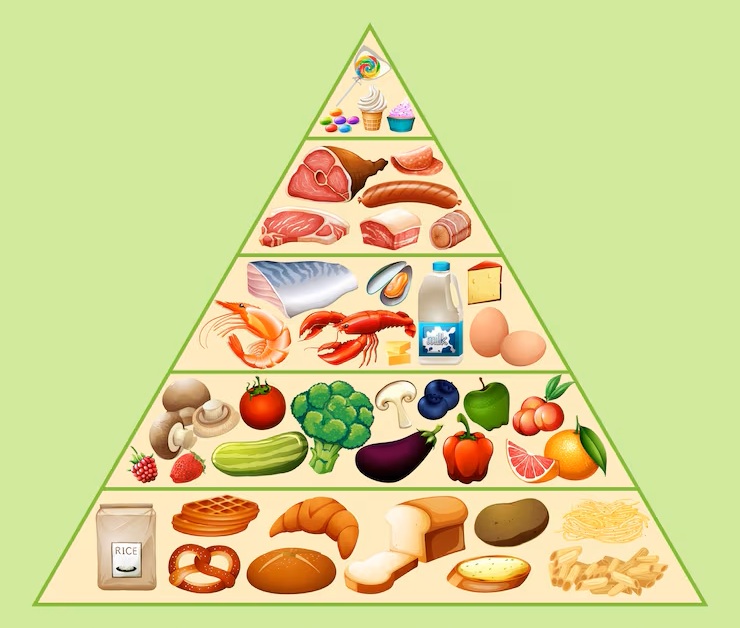
- Low-GI carbohydrates: vegetables, legumes, whole pasta al dente, some fruit
- Lean protein: meat, fish, eggs, poultry
- Healthy fats: olive oil, avocado, nuts
- Full-fat dairy (in protein-fat meals)
- Dark chocolate min. 70% (in moderate quantities)
- Wine in moderation (Phase 2)
✕ What you avoid
- High-GI carbohydrates: sugar, white bread, white rice, cooked potatoes
- Mixing fat with high-GI carbs (e.g. potatoes with butter)
- Sweetened beverages
- Beer and sweet alcohol
+ Sample one-day menu
+ Pros and cons
Pros
- No calorie counting — principles rather than quantities
- Effective long-term for many people
- Educates about food quality, not just quantity
- Allows wine and dark chocolate — socially practical
Cons
- Requires learning food GIs
- The GI of foods changes with preparation and combination (a limitation of the GI concept)
- Restrictive for traditional diets rich in bread and potatoes
+ ⚠️ Who should avoid this diet
- Diabetes — requires medical supervision for blood glucose monitoring
- Kidney disease
Indicative list. Before starting any diet, especially if you have a medical condition, consult a doctor or nutritionist.
Întrebări frecvente
What is the glycaemic index?
The GI measures how rapidly a food raises blood glucose compared to pure glucose (GI = 100). Low GI (below 55) means slow, gradual rise; high GI (above 70) means rapid spike followed by a rapid drop, stimulating insulin and appetite.
Is the Montignac method different from the low-GI diet?
The Montignac method is based on GI, but goes further — it takes a position on food combinations (protein-fat vs protein-carb), has defined phases and specific rules about wine and dark chocolate. A generic low-GI diet simply recommends choosing low-GI foods without these additional rules.
Why are potatoes avoided?
Cooked potatoes have a high GI (70–90 depending on preparation), causing a rapid rise in blood glucose and insulin. In Montignac's view, this stimulates fat storage rather than its utilisation. The exception is al dente pasta, which has a lower GI than you might expect.