
Balanced
Mediterranean Diet
A balanced dietary pattern based on vegetables, fish, olive oil and whole grains, without drastic exclusions.
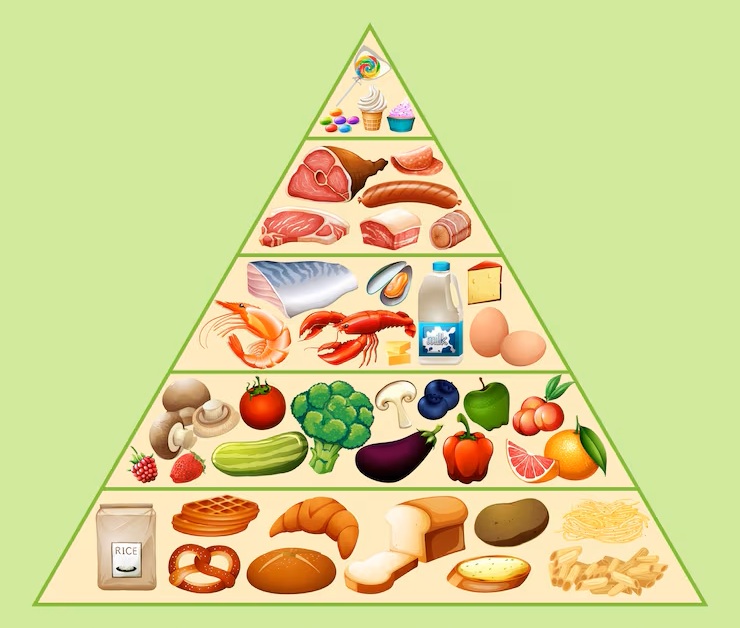
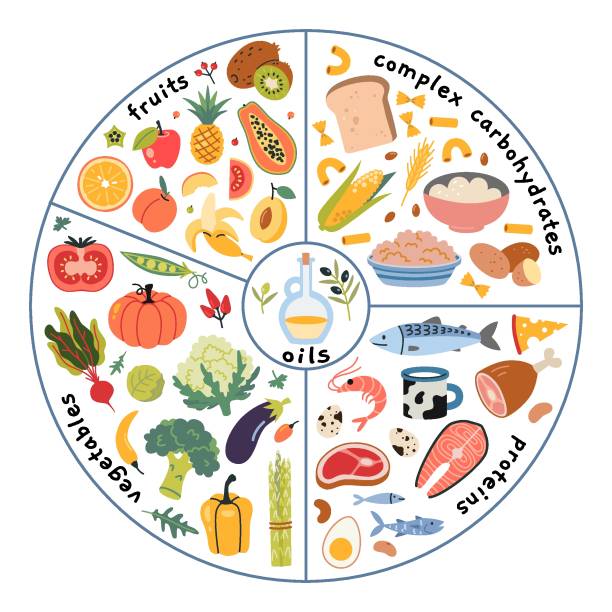
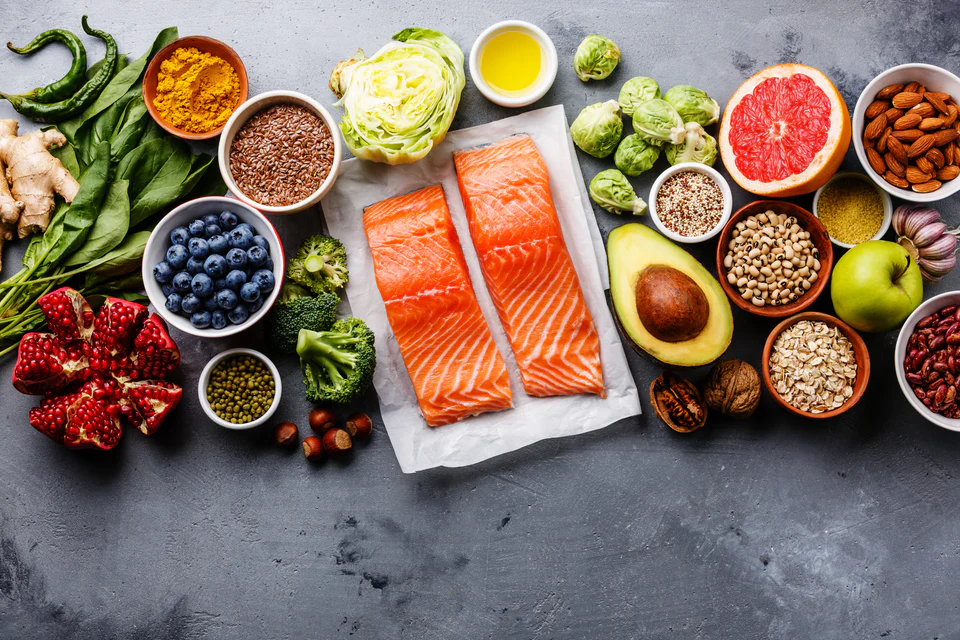
The Mediterranean diet is not a strict slimming diet but a dietary pattern inspired by the eating habits of countries around the Mediterranean Sea. At its core are vegetables, fruit, fish, legumes, whole grains and olive oil, while red meat and sweets appear rarely.
For people who want to lose weight without eliminating entire food groups, it is one of the most sustainable choices: varied, balanced and easy to follow for years. Weight loss comes more slowly than with restrictive diets, but with a far lower risk of regaining the lost weight.
History and origin
The Mediterranean diet was conceptualised and studied by American nutritionist Ancel Keys (1904–2004), who launched the famous “Seven Countries Study” in 1958 — a large-scale epidemiological study that followed cohorts of men from seven countries for twenty years, correlating dietary habits with the incidence of cardiovascular disease. Keys observed that populations around the Mediterranean basin — especially in Crete, southern Italy and Greece — had far lower rates of heart disease than the USA or Finland, and attributed this difference to the consumption of olive oil, fish, vegetables and whole grains. Keys himself adopted the Mediterranean diet and lived to 100, dying in 2004 at his home in Pioppi, Italy.
The term “Mediterranean diet” was popularised through Keys’s publications and those of his wife Margaret in the 1950s–1970s and gained progressive academic recognition. The PREDIMED trial (Prevención con Dieta Mediterránea), a Spanish randomised trial published in the New England Journal of Medicine in 2013 and updated in 2018, confirmed that the Mediterranean diet supplemented with extra-virgin olive oil or nuts significantly reduces the risk of major cardiovascular events compared with a low-fat control diet.
UNESCO inscribed the Mediterranean diet on the Intangible Cultural Heritage list in 2010 (Greece, Spain, Italy, Morocco) and extended recognition in 2013 (Cyprus, Croatia, Portugal). It is the only diet that benefits from both academic recognition through major clinical trials and international cultural heritage status. Organisations such as the WHO and FAO cite it as a reference model for health and sustainability.
+ What you eat and what you avoid
✓ What you eat
- Vegetables and fruit in abundance
- Olive oil as the main fat
- Fish and seafood
- Whole grains and legumes
- Nuts, seeds, yoghurt and cheese in moderation
✕ What you avoid
- Excess red meat
- Sugar and processed sweets
- Ultra-processed foods
- Margarine-type fats and frequent frying
+ Sample one-day menu
+ Pros and cons
Pros
- Balanced and easy to maintain for life
- Varied, without a sense of deprivation
- Recognised for benefits to heart health
Cons
- Slower weight loss than restrictive diets
- Requires cooking with fresh ingredients
+ ⚠️ Who should avoid this diet
- Fish or seafood allergy (can be adapted)
Indicative list. Before starting any diet, especially if you have a medical condition, consult a doctor or nutritionist.
Întrebări frecvente
Can you lose weight on the Mediterranean diet?
Yes, but gradually. Being balanced with no major exclusions, weight loss is slower, but far easier to maintain long-term.
Can I eat pasta?
Yes, in moderation and ideally wholegrain, alongside vegetables and olive oil — just as in traditional Mediterranean cooking.