
Structured
Low-FODMAP Diet
Three-phase protocol: elimination of foods rich in FODMAPs (fermentable carbohydrates), then systematic reintroduction to identify individual triggers, then personalised long-term diet.
The low-FODMAP diet is a medical protocol developed to manage irritable bowel syndrome (IBS) — not a weight-loss diet. FODMAPs are short-chain fermentable carbohydrates (oligo-, di-, monosaccharides and polyols) that are poorly absorbed in the small intestine and fermented by gut bacteria, producing gas, bloating, pain and altered bowel habit in susceptible people.
The protocol consists of three phases: elimination (2–6 weeks), systematic reintroduction of food categories one at a time, and personalised long-term diet based on the individual tolerance profile identified. The goal is not permanent avoidance of all FODMAPs, but identifying personal triggers.
Clinical studies show that the low-FODMAP diet improves symptoms in 50–80% of people with IBS — a clinically significant result for a condition that strongly affects quality of life. It is recommended by gastroenterological societies in the UK, USA and Australia.
We include it here as a documented dietary protocol because it is widely searched, but we emphasise: it should be followed with the guidance of a gastroenterologist or dietitian, not as a self-prescribed intervention.
History and origin
The low-FODMAP diet was developed at Monash University in Melbourne, Australia, by a team led by gastroenterologist Peter Gibson and dietitian Sue Shepherd in the 2000s. The research team observed that certain types of carbohydrates — already known to be poorly absorbed — were consistently associated with IBS symptoms, and systematically studied which foods were high or low in these compounds.
The acronym FODMAP was coined by Gibson and colleagues in a 2005 paper published in Alimentary Pharmacology & Therapeutics, which described the theoretical framework. The comprehensive clinical validation of the low-FODMAP approach came through multiple controlled studies published in the following years. Monash University published an app (Monash University FODMAP Diet) that became the reference resource for practitioners and patients, regularly updated with FODMAP values for hundreds of foods.
Today, the low-FODMAP diet is the first-line dietary recommendation for IBS in major international gastroenterological guidelines. Research continues on the long-term impact on gut microbiota — the elimination of prebiotics (which are FODMAPs) raises questions about the effects on the diversity and health of the intestinal microbiome, an active area of ongoing investigation.
+ What you eat and what you avoid
✓ What you eat
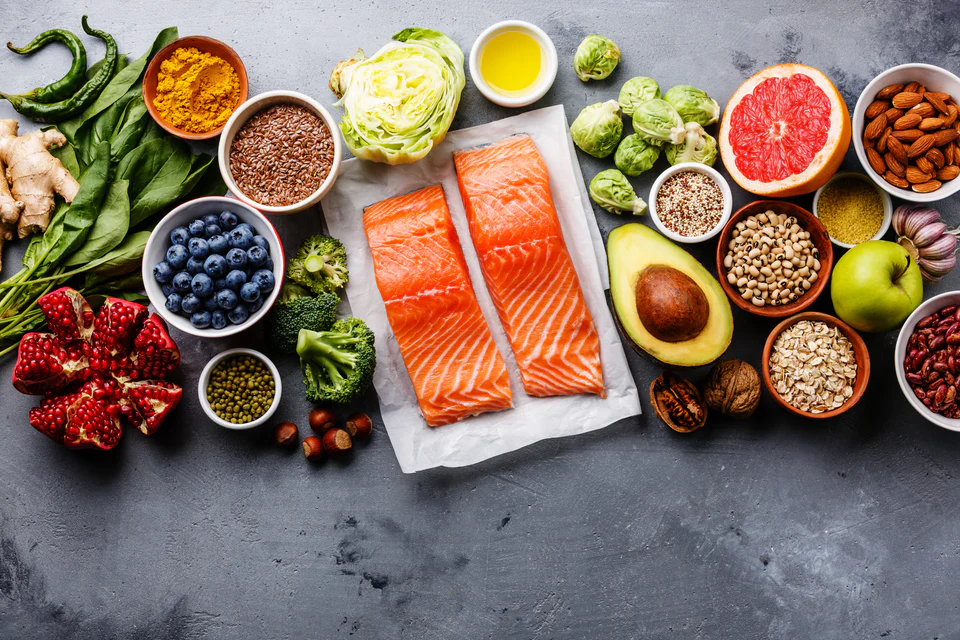
- Meat, fish, eggs (naturally low in FODMAPs)
- Rice, oats, polenta
- Carrots, spinach, courgette, potatoes
- Blueberries, strawberries, kiwi, grapes
- Lactose-free dairy
- Tofu (firm)
- Nuts and seeds (in moderate quantities)
✕ What you avoid
- Onions and garlic (very high in FODMAPs)
- Wheat in large quantities
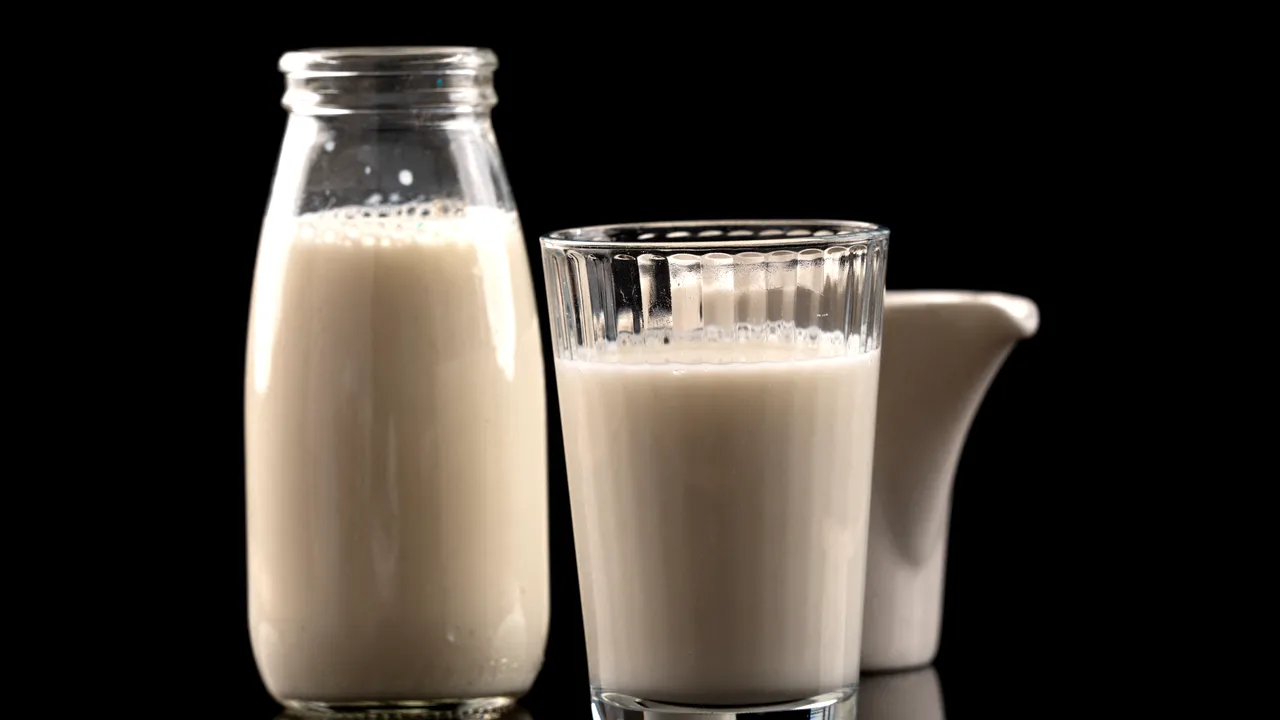
- Milk and yoghurt (with lactose)
- Legumes (beans, lentils, chickpeas)
- Apples, pears, mangoes, stone fruit
- High-fructose corn syrup and sorbitol
+ Sample one-day menu
+ Pros and cons
Pros
- Clinically validated — effective in 50–80% of people with IBS
- Identifies individual triggers (not everyone reacts to the same foods)
- Evidence-based protocol, not a trend
Cons
- Very complex to follow — requires careful food label reading
- Not a permanent diet — it is a diagnostic and management protocol
- Restricts many nutritious foods (legumes, dairy, fruit)
- Requires supervision from a dietitian for best results
+ ⚠️ Who should avoid this diet
- Not intended as a weight-loss diet for healthy adults
- Not recommended without IBS diagnosis and specialist guidance
- May lead to unnecessary nutritional restrictions if followed without a diagnosis
Indicative list. Before starting any diet, especially if you have a medical condition, consult a doctor or nutritionist.
Întrebări frecvente
What are FODMAPs?
FODMAPs (Fermentable Oligo-, Di-, Mono-saccharides And Polyols) are short-chain carbohydrates that are poorly absorbed in the small intestine and fermented by gut bacteria in the colon, producing gas, bloating, pain and diarrhoea in susceptible people.
Can the low-FODMAP diet help with weight loss?
It was not designed for weight loss and is not recommended for this purpose. Some people lose weight incidentally due to food restriction, but this is a side effect, not the goal.
How long should the low-FODMAP diet last?
The elimination phase lasts 2–6 weeks. After that, foods are systematically reintroduced one category at a time to identify individual triggers. The final phase is a personalised long-term diet — not permanent avoidance of all FODMAPs.