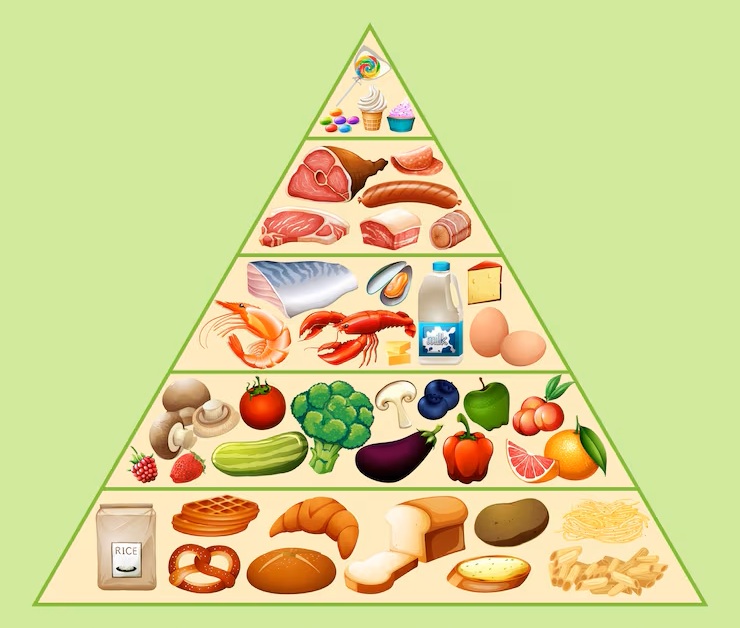




Low-Carb
Low-Carb Diet
Reducing carbohydrates to 50–150 g per day (depending on the variant), replaced with protein and healthy fat. Not as strict as keto — there is no requirement to enter ketosis.
The low-carb diet reduces carbohydrate intake below 100–150 g per day (sometimes less), replacing them with protein and healthy fat. It is a flexible category — it includes everything from moderate carbohydrate restriction to strict approaches like keto.
The mechanism: reducing carbohydrates lowers insulin levels, which facilitates fat mobilisation and reduces appetite. Studies show that low-carb diets produce faster initial weight loss than low-fat diets, though the difference in the long term is more modest.
Unlike keto, low-carb does not require entering ketosis — it is sufficient to reduce carbohydrates enough to improve blood glucose and insulin without reaching the strict threshold of 20–50 g per day. This makes it more flexible and easier to follow in social situations.
History and origin
Carbohydrate restriction as a weight-loss strategy is much older than keto or Atkins. William Banting, a British undertaker, published Letter on Corpulence (1863) — one of the first popular texts on dietary weight loss — which described how he lost significant weight by eliminating sugar, starchy foods and beer, under the advice of his physician William Harvey. This protocol was for decades called the “Banting diet” in the UK and Northern Europe.
In the early twentieth century, attention to carbohydrates fluctuated as low-fat diet theory gained ground in the 1950s–1970s, associated with the work of Ancel Keys. The research of John Yudkin (Pure, White and Deadly, 1972) argued for sugar’s role in heart disease but was overshadowed by Keys’ more influential work for several decades.
The resurgence of low-carb came through Robert Atkins in the 1970s and 1990s, and through research published in major journals in the early 2000s (Gardner 2007, comparing Atkins with LEARN, Ornish and Zone, finding advantages for Atkins in short-term weight loss). The PURE study (2017), published in The Lancet, found an association between high carbohydrate intake and mortality in international populations, contributing to the reassessment of carbohydrate restriction in nutritional guidelines.
+ What you eat and what you avoid
✓ What you eat
- Meat, poultry, fish and seafood
- Eggs
- Non-starchy vegetables (leafy greens, broccoli, courgette, peppers)
- Nuts and seeds
- Dairy (cheese, Greek yoghurt — in moderate quantities)
- Healthy fats (olive oil, avocado)
- Berries and low-sugar fruit (in moderation)
✕ What you avoid
- Sugar and confectionery
- Bread, pasta, rice (in large quantities)
- Starchy vegetables (potatoes, corn) — in the stricter variant
- Sweetened beverages
- Processed foods with hidden sugar
+ Sample one-day menu
+ Pros and cons
Pros
- Effective for weight loss and reducing appetite
- Improves blood glucose and insulin levels
- Flexible — adaptable to different tolerance levels
- Does not require entering ketosis
Cons
- Requires label reading to track carbohydrate intake
- Can be restrictive for people who eat a lot of carbs
- The transition period can bring fatigue
+ ⚠️ Who should avoid this diet
- Kidney disease (high protein intake)
- Diabetes with insulin treatment — requires medical supervision for dose adjustment
- Pregnant or breastfeeding women — without specialist advice
Indicative list. Before starting any diet, especially if you have a medical condition, consult a doctor or nutritionist.
Întrebări frecvente
What is the difference between low-carb and keto?
Keto is a strict variant of low-carb that targets carbohydrates below 20–50 g per day specifically to induce ketosis. Low-carb generally means 50–150 g per day — enough to reduce insulin and appetite without necessarily entering ketosis.
How long does adaptation to a low-carb diet take?
The first 1–2 weeks can bring fatigue, headaches and irritability ('carb withdrawal'). Full metabolic adaptation takes 4–8 weeks. After adaptation, most people report improved energy and concentration.
Is low-carb suitable for athletes?
For endurance sports and moderate-intensity activity, yes — after the adaptation period. For high-intensity or explosive activities (sprinting, weightlifting), carbohydrates remain important for performance, and a cyclical low-carb approach may be more appropriate.