Low-Carb
Keto Diet (Ketogenic)
Very few carbohydrates and plenty of fat, so the body switches to burning fat for energy (ketosis).
The keto (ketogenic) diet rests on a simple idea: if you cut carbohydrates to a minimum (usually under 50 g per day) and eat predominantly fat, the body runs out of its usual energy source (glucose) and switches to burning fat, entering a state called ketosis.
It is a restrictive diet with clear rules about what you can and cannot eat. Many people choose it because it produces a strong sense of satiety without counting calories. At the same time, eliminating entire food groups makes it hard to sustain long-term and unsuitable for certain individuals.
History and origin
The ketogenic diet was introduced as a medical treatment in 1921 by Russell Wilder at the Mayo Clinic, as an alternative to complete fasting that had been used to control epilepsy. Wilder observed that maintaining ketosis through diet produced anticonvulsant effects similar to fasting, without starving the patient. The protocol became the standard treatment for paediatric epilepsy in the 1920s–1930s and was widely practised in American and European clinics for several decades.
With the arrival of the first effective antiepileptic drugs in the 1950s–1960s (phenytoin, phenobarbital), the ketogenic diet fell out of routine use, considered too difficult compared with pharmacological alternatives. It was kept alive by a handful of specialists and returned to public attention in 1993–1994 through the story of Charlie Abrahams, a child with drug-resistant epilepsy whose father, film producer Jim Abrahams, discovered the diet in medical archives. The treatment’s remarkable success led Jim Abrahams to fund research and found the Charlie Foundation, helping to revive medical interest in the ketogenic diet.
The application of keto for weight loss came later, in the context of the low-carb diet boom of the 1990s–2000s. Researchers such as Jeff Volek and Stephen Phinney studied metabolic adaptation to the ketogenic diet in healthy adults and athletes, publishing work that gave an academic foundation to the weight-loss application. The commercial explosion came after 2015, when rapid growth of the internet and social media transformed keto from a specialised medical protocol into one of the most searched nutrition terms worldwide.
+ What you eat and what you avoid
✓ What you eat
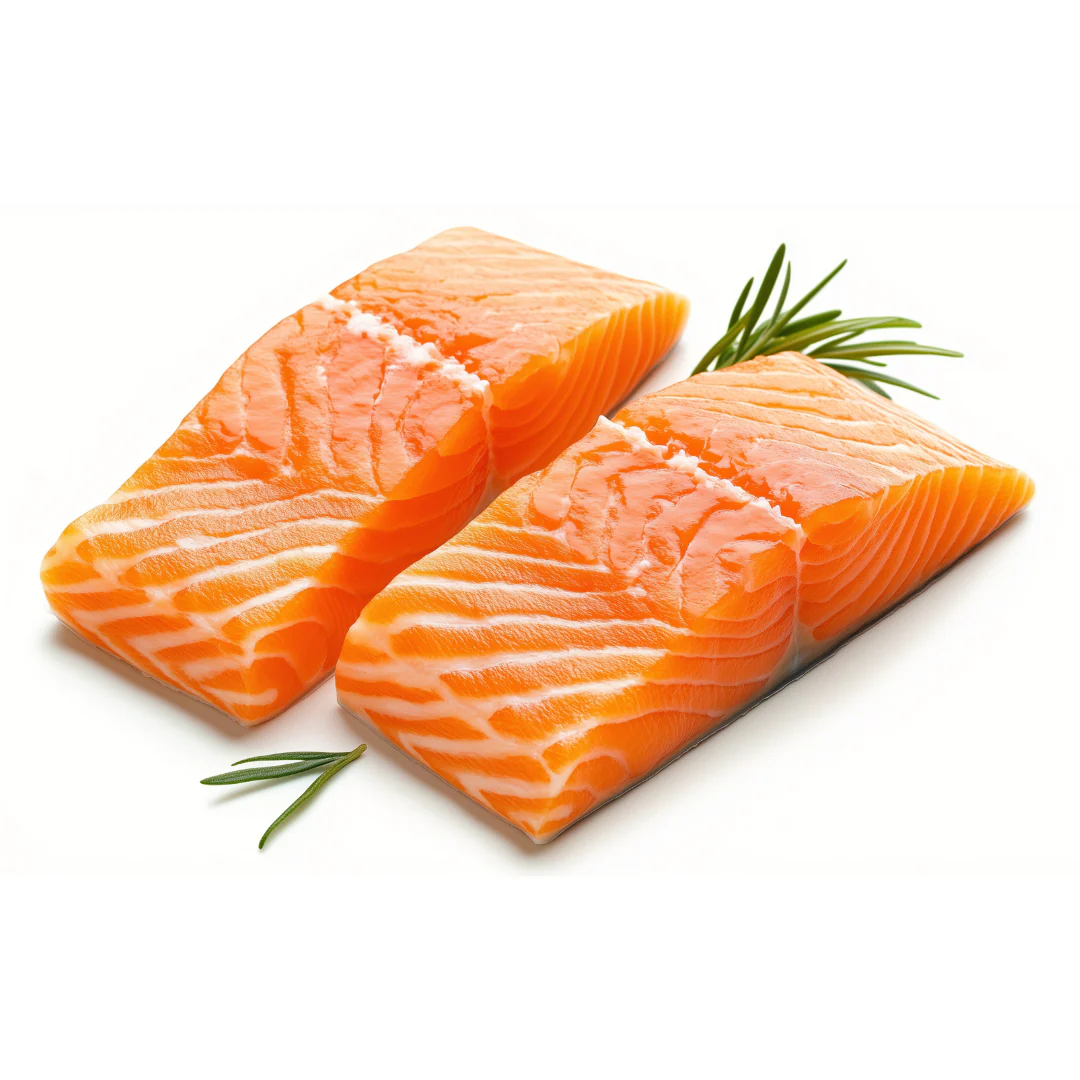
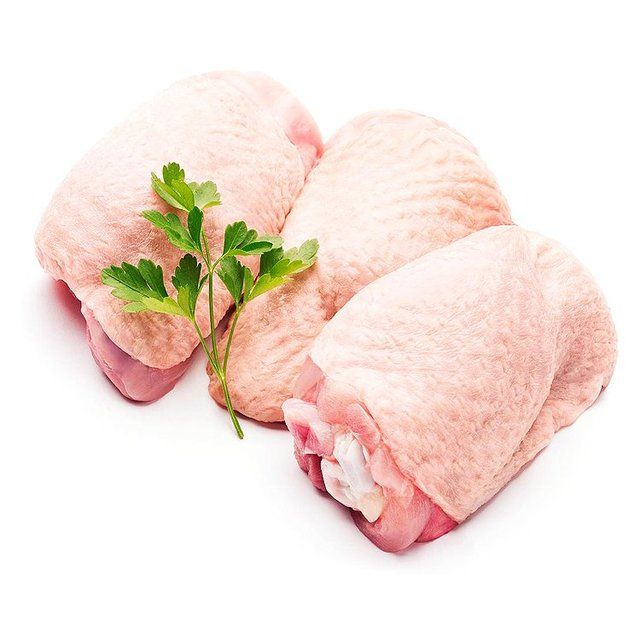
- Meat, fatty fish, eggs
- Healthy oils and fats (olive oil, avocado, butter)
- Full-fat cheese and dairy
- Low-carb vegetables (spinach, broccoli, lettuce)
- Nuts and seeds
✕ What you avoid
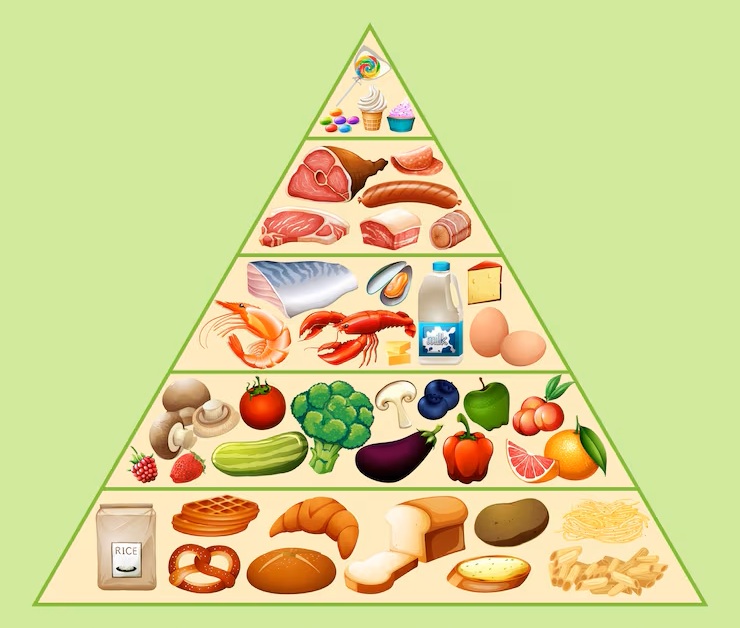
- Bread, pasta, rice, potatoes
- Sugar and sweets
- Sweet fruit (in large amounts)
- Legumes (beans, lentils)
- Sweetened beverages
+ Sample one-day menu
+ Pros and cons
Pros
- Reduces appetite through the satiety provided by fat and protein
- Visible weight loss in the first weeks (including water)
- No strict calorie counting required
Cons
- Difficult to maintain socially and long-term
- Possible initial discomfort ('keto flu')
- Restrictive — eliminates many food groups
+ ⚠️ Who should avoid this diet
- People with kidney or liver disease
- Insulin-treated diabetes (without medical supervision)
- Pregnant or breastfeeding women
Indicative list. Before starting any diet, especially if you have a medical condition, consult a doctor or nutritionist.
Întrebări frecvente
How much weight can you lose on keto?
In the first weeks, weight loss can be rapid, partly due to water loss. Over the medium term, the rate depends on the total caloric deficit.
What is ketosis?
Ketosis is a metabolic state in which the body, deprived of carbohydrates, burns fat and produces ketone bodies as its primary energy source.