

Plant-Based
Flexitarian Diet
Predominantly plant-based (vegetables, fruit, legumes, whole grains), with the occasional inclusion of meat, fish and other animal products — without strict rules and without completely eliminating any group.
The flexitarian diet is a predominantly plant-based approach that permits the occasional inclusion of meat and fish, without strict rules or a complete prohibition on animal products. The name is a portmanteau of “flexible” and “vegetarian”.
The principle: building the majority of meals around vegetables, fruit, legumes and whole grains, while reducing — but not eliminating — meat. It is the most accessible of the plant-based diets and the easiest to follow socially and practically.
Research associates the flexitarian diet with lower body weight, reduced cardiovascular risk and improved metabolic markers, compared to a predominantly meat-based diet. It is considered one of the most sustainable dietary approaches for the long term, precisely because of its flexibility.
History and origin
The term “flexitarian” was coined by dietitian Dawn Jackson Blatner, who popularised the concept in her book The Flexitarian Diet (2009). Blatner described a structured approach: on 5 days per week you eat plant-based, on 2 days you can include meat — a simple and practical formula that resonated with people attracted to vegetarianism but unwilling to give up meat entirely.
The concept was not entirely new — variations of semi-vegetarian diet had existed for decades — but Blatner gave it a name, a structure and a popular voice. “Flexitarian” was added to the Merriam-Webster dictionary in 2012, signalling cultural acceptance of the term.
The diet gained significant popularity in the 2010s alongside broader interest in plant-based eating, the sustainability movement and growing research on the environmental and health impacts of meat consumption. Reports from organisations such as the EAT-Lancet Commission (2019) recommended diets closer to the plant-based model, without demanding total meat elimination — indirectly validating the flexitarian philosophy. Today the flexitarian diet consistently ranks among the best dietary approaches in annual expert assessments.
+ What you eat and what you avoid
✓ What you eat
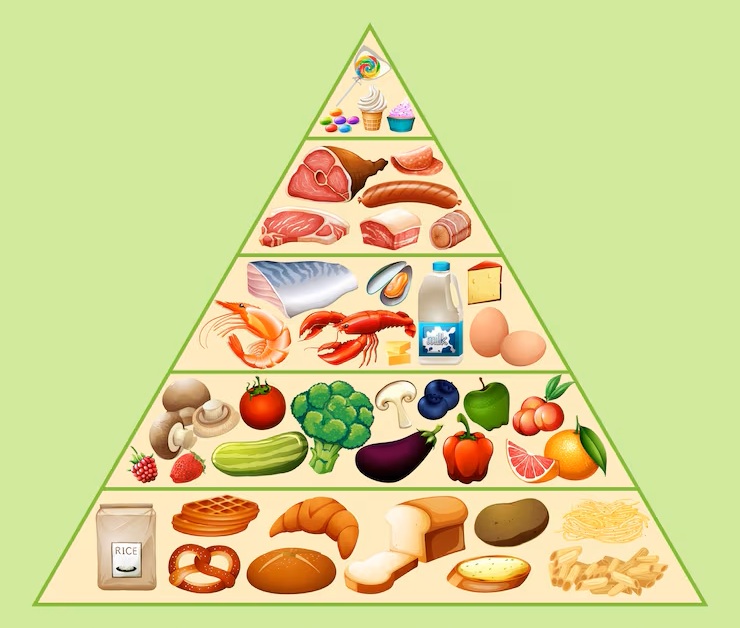
- Vegetables and fruit (the foundation)
- Legumes (lentils, chickpeas, beans)
- Whole grains
- Nuts and seeds
- Eggs and dairy
- Fish (frequently)
- Meat (occasionally — 1–3 times a week or less)
✕ What you avoid
- No food is completely forbidden — the philosophy is reducing, not eliminating
- Recommended to reduce: processed meat, ultra-processed foods, sugar and sweetened beverages
+ Sample one-day menu
+ Pros and cons
Pros
- Very flexible — no rigid rules
- Supports weight loss through increased plant food intake and reduced caloric density
- Associated with cardiovascular and metabolic benefits
- Lower environmental footprint than a predominantly meat-based diet
- Easy to follow socially and in restaurants
Cons
- The absence of strict rules can reduce motivation for some people
- Requires genuine dietary awareness, not just occasional vegetarianism
+ ⚠️ Who should avoid this diet
- No medical contraindications for healthy adults
- People with specific nutritional needs (athletes, pregnant women, children) should ensure adequate protein and micronutrient intake
Indicative list. Before starting any diet, especially if you have a medical condition, consult a doctor or nutritionist.
Întrebări frecvente
How is the flexitarian diet different from vegetarianism?
Vegetarianism eliminates meat (and sometimes fish and dairy) entirely. The flexitarian diet reduces meat consumption without eliminating it — there are no strict rules about how often you can eat it.
Does the flexitarian diet help you lose weight?
In general, yes — plant-based diets tend to have lower caloric density and higher fibre, which naturally reduces appetite and caloric intake. Multiple studies associate the flexitarian diet with lower body weight compared to omnivorous diets.
How much meat can I eat on the flexitarian diet?
There is no fixed rule — that's the point of the approach. Most guides suggest 1–3 meat meals per week as a general target, but the emphasis is on direction of travel (more plants, less meat), not strict counting.