
Plant-Based
Gluten-Free Diet
Complete elimination of gluten — the protein complex found in wheat, rye, barley and (through contamination) conventional oats. Essential for coeliac disease; used electively by others for various reasons.
The gluten-free diet eliminates gluten — a protein complex found in wheat, rye and barley — from all foods. For people with coeliac disease, it is not a lifestyle choice but a medical necessity: even trace amounts of gluten trigger an autoimmune reaction that damages the intestinal mucosa and impairs nutrient absorption.
For people without coeliac disease — who do not have non-coeliac gluten sensitivity either — clinical evidence does not support the idea that eliminating gluten brings health benefits or helps with weight loss. Many people perceive improvement after going gluten-free, but this is most likely attributable to eliminating processed foods and paying more attention to nutrition in general, not to the absence of gluten itself.
Used electively (without medical necessity), the gluten-free diet presents the risk of nutritional deficiencies if not carefully planned, and gluten-free commercial products are often more expensive and contain more sugar and fat than their conventional counterparts.
History and origin
The connection between gluten and coeliac disease was established through pioneering work by Dutch paediatrician Willem Karel Dicke. During the Second World War, he observed that children with coeliac disease improved when wheat bread disappeared from the Netherlands due to food shortages, and deteriorated again when it returned after the war. He published his findings in 1950, and this observation became the basis of the strict gluten-free diet as the treatment for coeliac disease.
For decades, the gluten-free diet remained a purely medical protocol, followed almost exclusively by people with diagnosed coeliac disease. The transformation into a popular wellness trend occurred in the 2000s, driven by several factors: books like Wheat Belly by William Davis (2011) and Grain Brain by David Perlmutter (2013) attributed a range of health problems — from obesity to neurological conditions — to wheat and gluten, without clinical evidence at the level of general recommendations.
Celebrity endorsements and a strong social-media presence transformed the gluten-free diet into one of the most popular food trends of the 2010s. The market for gluten-free products exploded globally — in the US it exceeded $15 billion by 2020 — while surveys showed that the majority of consumers of these products did not have coeliac disease. This phenomenon prompted numerous studies investigating the alleged benefits of gluten elimination for the general population, which did not confirm the claims of popular books.
+ What you eat and what you avoid
✓ What you eat
- Rice, corn, potatoes, quinoa, buckwheat, millet (naturally gluten-free)
- Certified gluten-free oats
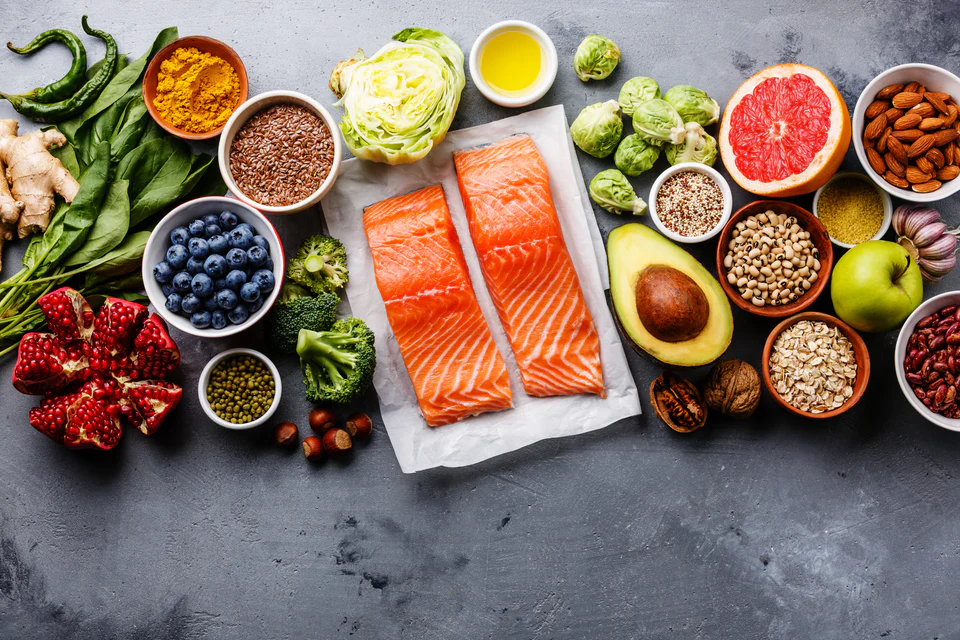
- Fruit and vegetables
- Meat, fish, eggs
- Dairy products
- Legumes
- Nuts and seeds
- Gluten-free labelled products (breads, pastas, biscuits)
✕ What you avoid
- Wheat (bread, pasta, pizza, pastries, flour)
- Rye and rye bread
- Barley and malt
- Regular oats (risk of contamination)
- Many processed foods containing wheat derivatives
- Soy sauce (typically contains wheat)
+ Sample one-day menu
+ Pros and cons
Pros
- Medically necessary and highly effective for coeliac disease
- Reduces symptoms in people with non-coeliac gluten sensitivity
- Encourages cooking at home and consuming less processed food
Cons
- Expensive — gluten-free speciality products cost significantly more
- Risk of nutritional deficiency if not planned (iron, B vitamins, fibre, calcium)
- Gluten-free industrial products can be high in sugar, fat and additives
- No proven benefit for healthy adults without coeliac disease or sensitivity
- Socially restrictive — gluten is ubiquitous in common foods
+ ⚠️ Who should avoid this diet
- No specific contraindications for healthy adults; it is a lifestyle choice
- For people with coeliac disease: mandatory, lifelong — not optional
Indicative list. Before starting any diet, especially if you have a medical condition, consult a doctor or nutritionist.
Întrebări frecvente
Is a gluten-free diet healthier for everyone?
No — this is a widespread misconception. For people without coeliac disease or non-coeliac gluten sensitivity, eliminating gluten has no demonstrated health benefit and can lead to nutritional deficiencies if the diet is not carefully planned.
What is coeliac disease?
It is an autoimmune disease in which gluten triggers an immune reaction that damages the intestinal mucosa, impairing nutrient absorption. It affects about 1% of the population and requires strict gluten elimination for life.
Are gluten-free products better for weight loss?
Not necessarily. Many gluten-free commercial products are high in sugar and fat to compensate for texture and flavour. Weight loss occurs if you eat fewer calories overall, not because the products are gluten-free.