

Structured
Dissociated Diet
Never combine proteins and carbohydrates at the same meal. Each food category is consumed separately to ease digestion and promote weight loss.
The dissociated diet (or food-combining diet) is based on the idea that the body digests proteins and carbohydrates better when consumed at separate meals, rather than combined. Each meal consists exclusively of one food category — carbohydrates OR proteins — plus freely combinable vegetables.
The scientific basis of this principle is disputed: human digestion is designed to process mixed meals simultaneously and efficiently. Multiple physiological studies have found no evidence that food combining improves digestion or metabolism. Weight loss on the dissociated diet is attributable to the caloric restriction that results from the food-combination rules — not the separation mechanism itself.
In practice, the diet has followers because the rules are intuitive and rule-based, without calorie counting, and because avoiding complex combinations (pizza, sandwiches, pasta with meat sauce) naturally reduces caloric density.
History and origin
The theoretical foundation of the dissociated diet was elaborated by American physician William Howard Hay in 1904. After suffering from a kidney disease he attributed to poor diet, Hay developed a system he called “proper food combining”, based on the idea that proteins require an acidic medium for digestion while carbohydrates require an alkaline medium, and that they should therefore not be consumed together.
Hay published his theory in A New Health Era (1933), which achieved great popularity in the United States and Europe. His ideas were not based on controlled research but on personal observations and the physiological theories of his era, partly outdated. Despite this, the “Hay Diet” gained significant following in the early twentieth century and spawned a tradition of food-combining books that continues to this day.
In the 1980s and 1990s, the concept was popularised again through Harvey and Marilyn Diamond’s book Fit for Life (1985), which sold millions of copies in the United States and dozens of countries. In Romania, the dissociated diet became particularly popular in the 1990s through books published after 1989, when access to Western nutritional literature became possible. Today it persists mainly as a folk nutrition tradition, despite the lack of scientific support for its core mechanism.
+ What you eat and what you avoid
✓ What you eat
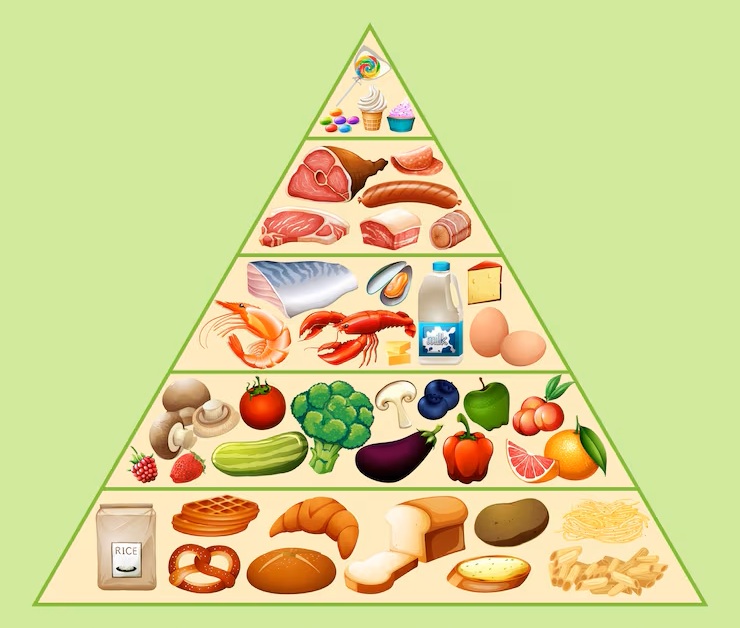
- Carbohydrate meals: bread, pasta, rice, potatoes, cereal — without protein
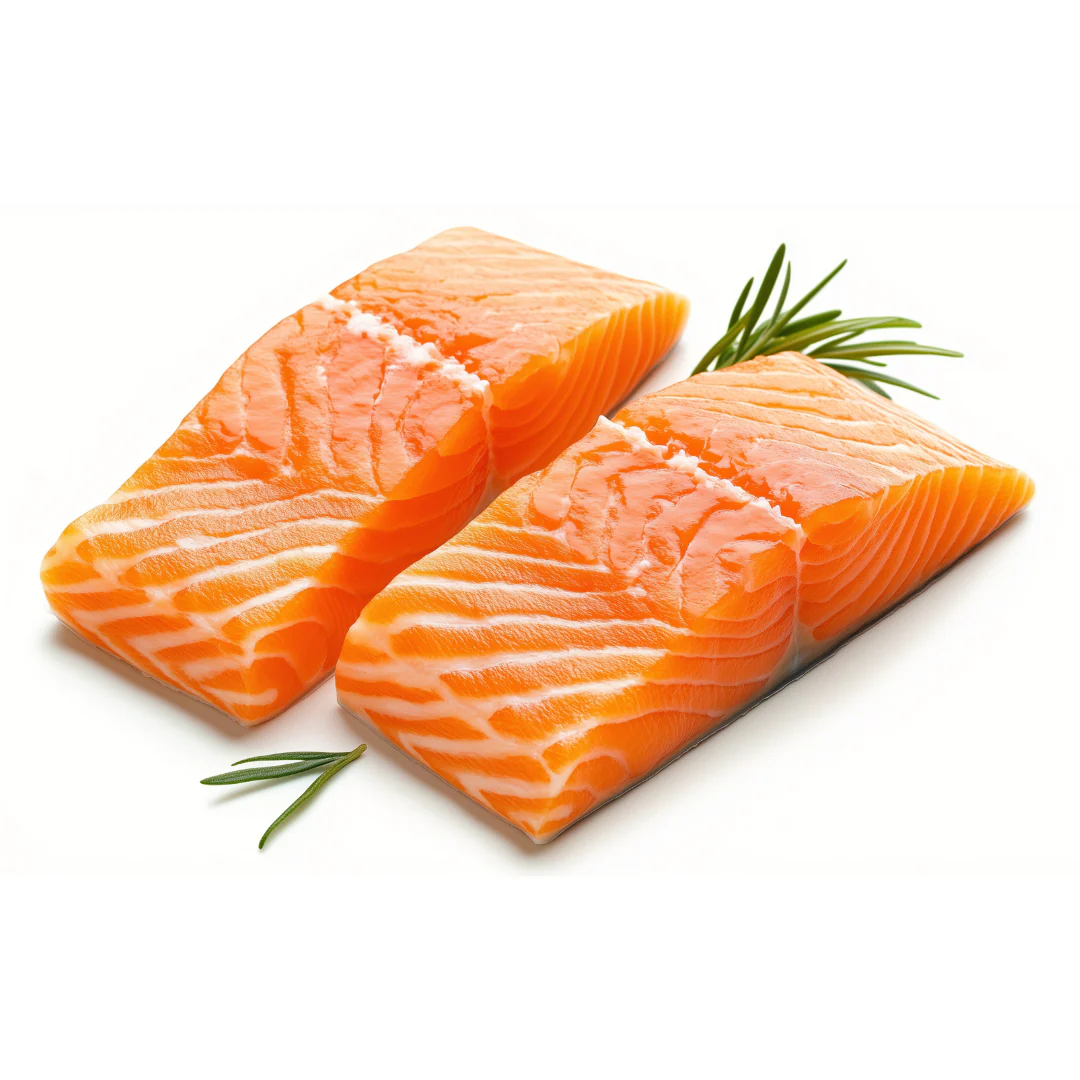
- Protein meals: meat, fish, eggs, cheese — without carbohydrates
- Free foods: vegetables (non-starchy), salads, olive oil — compatible with any category
- Fruit: consumed alone, on an empty stomach
✕ What you avoid
- Mixing protein and carbohydrates at the same meal
- Mixing fruit with other foods
- Processed foods and sugar (recommended in most variants)
+ Sample one-day menu
+ Pros and cons
Pros
- Encourages cooking real food and paying attention to what you eat
- May reduce overeating by separating food categories
Cons
- The basic premise lacks solid scientific support
- Restricts traditional combination foods (meat and potatoes, pasta with meat sauce)
- Complex in practice — requires planning every meal
- Weight loss occurs from caloric restriction, not from the separating mechanism itself
+ ⚠️ Who should avoid this diet
- No specific medical contraindications for healthy adults
- Not recommended as the sole approach for people with diabetes (separation of carbs requires careful management)
Indicative list. Before starting any diet, especially if you have a medical condition, consult a doctor or nutritionist.
Întrebări frecvente
Does the body really digest proteins and carbohydrates differently?
Yes, but in parallel, not sequentially. The human digestive system secretes various enzymes simultaneously and efficiently digests mixed meals. The claim that combining them impairs digestion is not supported by human physiology studies.
Why do people lose weight on the dissociated diet?
Mostly because the dietary rules make it harder to overeat and eliminate many calorie-dense combinations (pizza, pasta with meat sauce, sandwiches). The caloric deficit arises from simplification and reduced food variety, not from the dissociation mechanism itself.
Is the dissociated diet a balanced one?
It can be nutritionally complete if planned carefully, but it is more restrictive than a balanced mixed diet. Long-term adherence requires careful planning to avoid nutritional deficiencies.