


Balanced
DASH Diet
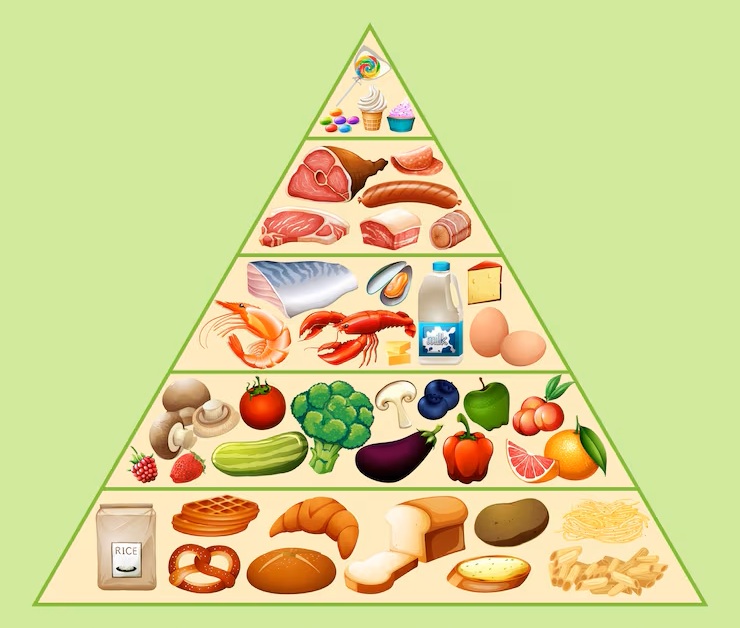
Rich in fruit, vegetables, whole grains and low-fat dairy; restricted sodium, saturated fat and sugar. Designed for blood pressure but effective for weight management.
The DASH diet (Dietary Approaches to Stop Hypertension) was developed specifically to lower blood pressure through diet and is one of the most extensively studied nutritional protocols. Its principles: a high intake of fruit, vegetables, whole grains and low-fat dairy, with limited sodium, saturated fat and added sugar.
It is not a rapid weight-loss diet, but its balanced structure naturally leads to a moderate caloric deficit, supporting gradual and sustainable weight management. It is particularly suitable for people who also need to manage blood pressure, blood glucose or cholesterol.
History and origin
The DASH diet emerged from a major research programme funded by the United States National Heart, Lung, and Blood Institute (NHLBI) in the early 1990s. The research team, led by Lawrence Appel at Johns Hopkins University, sought to identify a dietary pattern capable of reducing blood pressure without medication. The programme involved researchers from multiple major American universities and analysed the effects of various combinations of nutrients, rather than individual supplements.
The results were published in the prestigious New England Journal of Medicine in 1997 in a landmark article: the diet rich in fruit, vegetables and low-fat dairy, with reduced sodium and saturated fat, reduced systolic blood pressure by an average of 11.4 mmHg in people with hypertension — comparable to the effect of some anti-hypertensive drugs. A follow-up study in 2001 confirmed that reducing sodium on top of the DASH diet produced further benefits.
Since then, the DASH diet has been consistently recommended by the American Heart Association, the American Diabetes Association and numerous international health guidelines as a first-line dietary intervention for hypertension, cardiovascular disease risk and type 2 diabetes. It has consistently ranked among the best diets in annual rankings published by U.S. News & World Report, often in first place or near the top.
+ What you eat and what you avoid
✓ What you eat
- Fruit and vegetables (large portions)
- Whole grains (oats, brown rice, whole wheat bread)
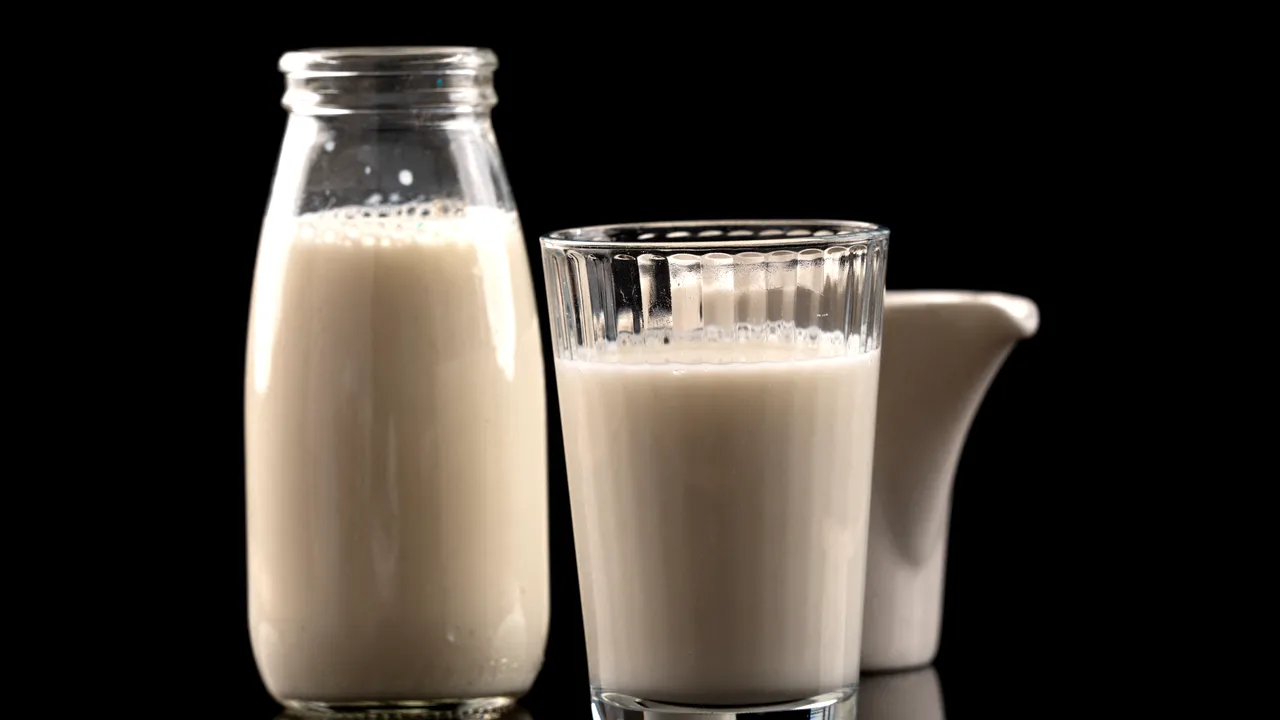
- Low-fat dairy (yoghurt, skimmed milk)
- Lean meat, fish, poultry
- Legumes and nuts (in moderate quantities)
- Olive oil and healthy fats (in moderation)
✕ What you avoid
- Processed foods rich in sodium
- Cold cuts, sausages and smoked meats
- Full-fat dairy in large quantities
- Sweets and sweetened beverages
- Excess red meat
+ Sample one-day menu
+ Pros and cons
Pros
- Evidence-based: reduces blood pressure in clinical studies
- Balanced and nutritionally complete
- Suitable as a long-term lifestyle
- Does not eliminate any food group
- Reduces the risk of cardiovascular disease and type 2 diabetes
Cons
- Requires careful attention to sodium content
- Reading labels can be cumbersome initially
- Slower weight loss than restrictive diets
+ ⚠️ Who should avoid this diet
- People with kidney disease requiring a restricted potassium diet — consult a doctor before starting
- No other major contraindications for healthy adults
Indicative list. Before starting any diet, especially if you have a medical condition, consult a doctor or nutritionist.
Întrebări frecvente
How much sodium is allowed on the DASH diet?
The standard DASH variant allows up to 2,300 mg of sodium per day (about one teaspoon of salt). The stricter variant — 1,500 mg per day — is recommended for people with hypertension or at high cardiovascular risk.
Does the DASH diet help you lose weight?
Although it was designed for blood pressure, DASH promotes a balanced diet that often leads to a moderate caloric deficit, producing gradual and sustainable weight loss. It is not a rapid weight-loss diet.
Is the DASH diet suitable for diabetics?
Yes, in general. The diet reduces refined sugar and promotes fibre-rich whole grains, which are beneficial for blood glucose management. It is advisable to consult a doctor or dietitian for personalised adjustment.