
High-Protein
High-Protein Diet
Increased intake of lean protein for satiety and muscle mass, with fewer refined carbohydrates.
The high-protein diet does not eliminate food groups; it increases the share of lean proteins — meat, fish, eggs, low-fat dairy, legumes — at the expense of refined carbohydrates and sugar. The idea is that protein satisfies strongly and helps preserve muscle mass during weight loss.
It is a flexible approach, easily adapted, and especially popular among people who exercise. Excess should still be avoided in people with kidney problems, and variety matters to prevent monotony.
History and origin
High-protein diets do not have a single inventor but crystallised gradually from several research directions. In the 1970s–1980s, interest in the role of protein in body composition grew alongside the popularisation of bodybuilding and strength sports, which promoted high protein intake for building muscle mass. Gradually, researchers began investigating whether the same principle applied to weight loss.
A key study was published in 2005 by Weigle and colleagues in the American Journal of Clinical Nutrition, demonstrating that a diet with 30% of calories from protein spontaneously reduces total caloric intake and produces significantly greater satiety than standard diets. Other studies, including those led by Stuart Phillips at McMaster University, confirmed that protein helps preserve muscle mass during a caloric deficit, supporting metabolism long-term.
Today, increasing protein intake is recommended in various forms by nutritional guidelines for weight loss, especially for active individuals. There is no single protocol — recommended levels range from 1.2 to 2 g per kilogram of body weight depending on goals and activity level — and the term “high-protein diet” covers a wide range of approaches, from Dukan and Atkins to balanced diets that prioritise lean proteins.
+ What you eat and what you avoid
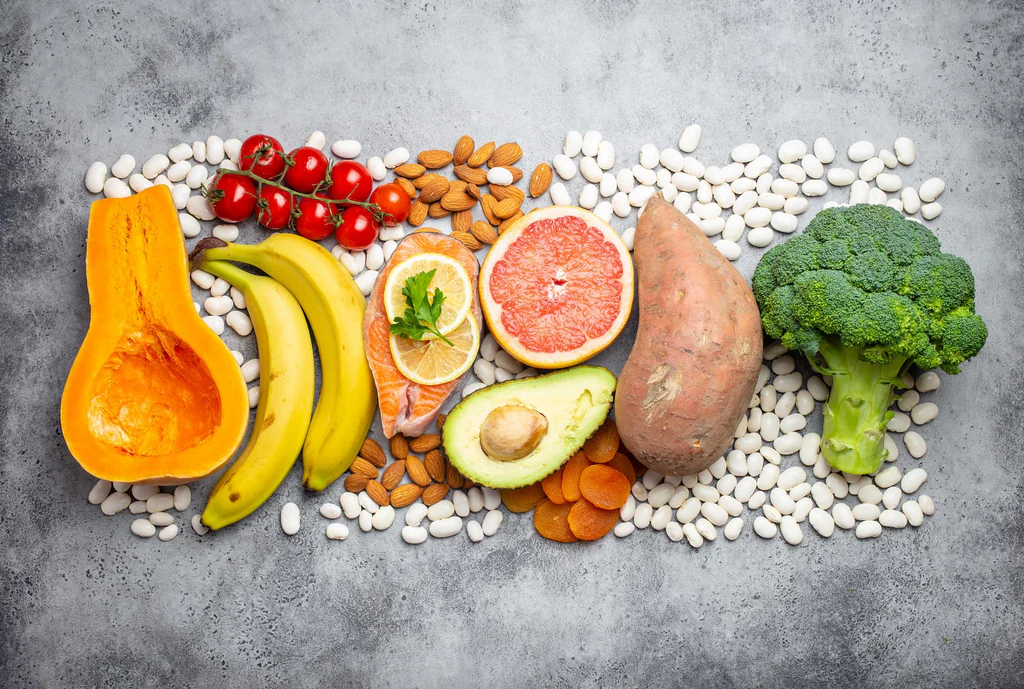
✓ What you eat
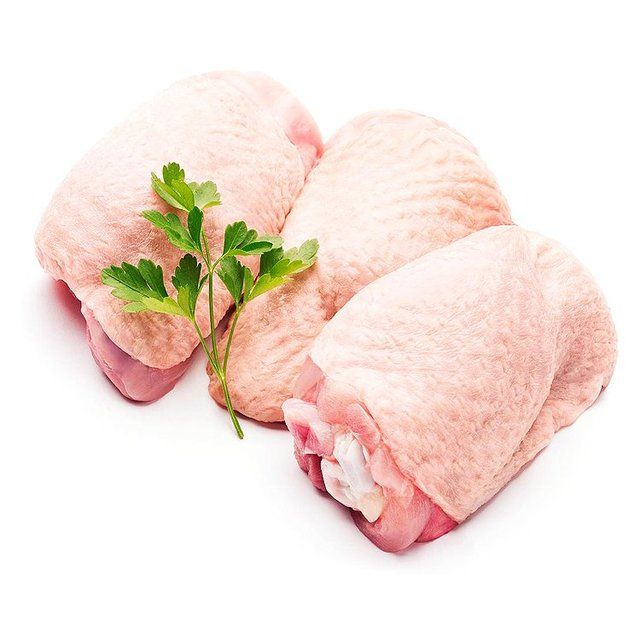
- Lean meat and poultry
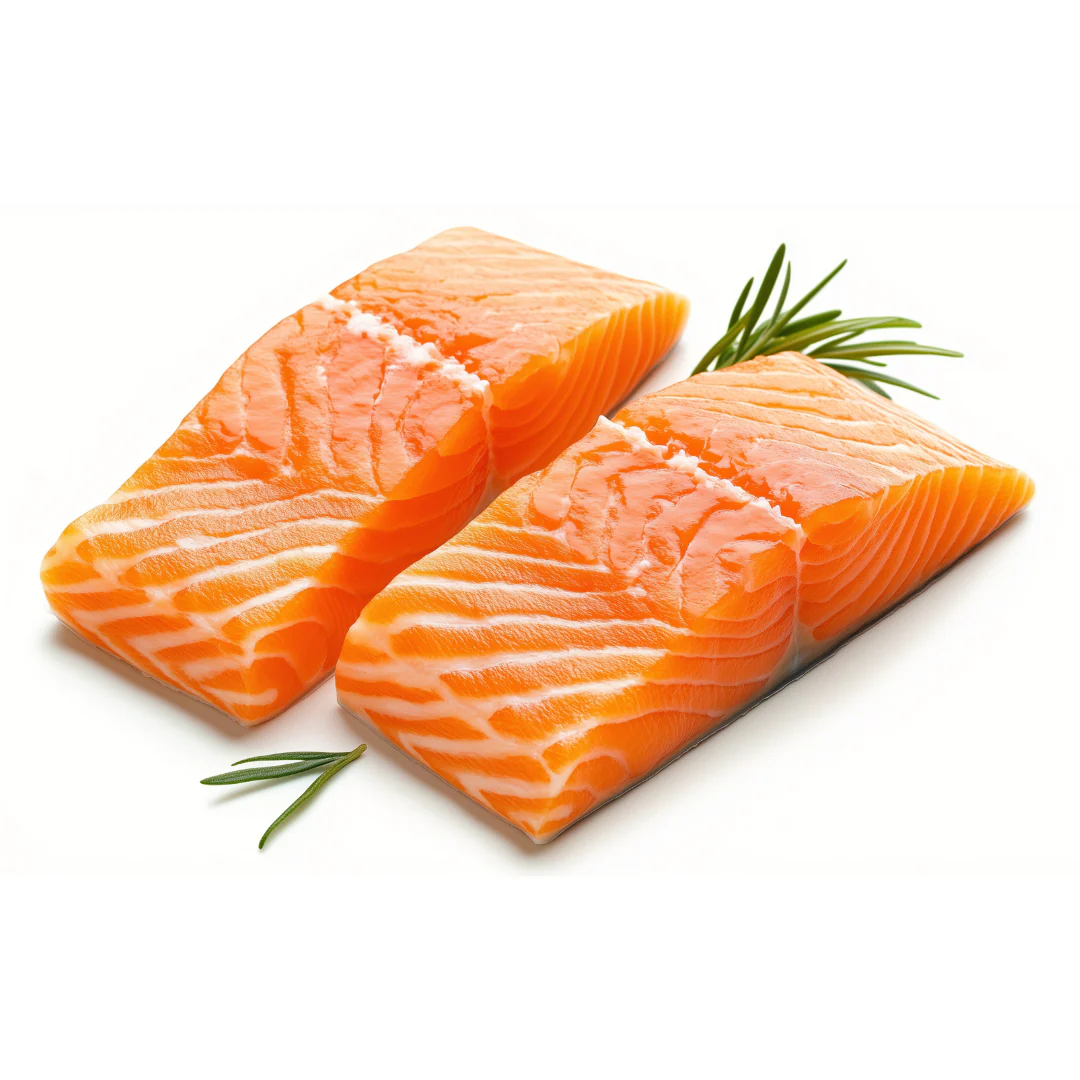
- Fish and seafood
- Eggs
- Low-fat dairy (Greek yoghurt, cheese)
- Legumes and tofu
✕ What you avoid
- Sugar and sweets
- Excess refined carbohydrates
- Sweetened beverages
+ Sample one-day menu
+ Pros and cons
Pros
- Protein provides strong satiety
- Helps preserve muscle mass during weight loss
- Flexible, without drastic exclusions
Cons
- Excess protein puts strain on kidneys in susceptible individuals
- Can become monotonous without variety
+ ⚠️ Who should avoid this diet
- Kidney disease
- Gout (without medical advice)
Indicative list. Before starting any diet, especially if you have a medical condition, consult a doctor or nutritionist.
Întrebări frecvente
How much protein do I need to lose weight?
Many high-protein approaches recommend around 1.2–2 g of protein per kilogram of body weight per day, depending on activity level. For precise recommendations, consult a specialist.
Why does protein help with weight loss?
Protein provides greater satiety than carbohydrates or fat and helps preserve muscle mass, which supports metabolism during a caloric deficit.