


High-Protein
Egg Diet
Meals are centred around eggs — a protein-rich, satiating, inexpensive food — combined with lean protein and low-carb vegetables, with no sugar or refined carbohydrates.
The egg diet is a short-term, high-protein diet in which eggs are the central food at each meal, supplemented with lean meat, fish and low-carb vegetables. Refined carbohydrates, sugar and starchy foods are completely eliminated.
Its logic: eggs are one of the most protein-rich, satiating and nutritionally complete foods per unit cost. High protein intake reduces appetite, maintains muscle mass and supports a caloric deficit without counting calories.
The diet is, however, very monotonous and is only suitable as a short-term intervention. It does not teach sustainable eating habits and presents a significant risk of weight regain once it ends. There are several popular variants: the “boiled egg” version (only boiled eggs), the grapefruit egg version, the full low-carb version — none of them has been studied in rigorous clinical trials.
History and origin
Unlike systematised dietary protocols backed by academic research, the egg diet belongs to the category of popular diets circulated through books, magazines and the internet without a clear founding author. The association between eggs and rapid weight loss grew in the mid-twentieth century United States, when high-protein diets began to be publicised as alternatives to calorie restriction.
A popular variant — the “Mayo Clinic Egg Diet” — was attributed without justification to the Mayo Clinic, which explicitly denied any connection with this regimen. Despite this, the name persisted in circulation throughout the 1960s–1970s in the United States and spread internationally through diet books of the era.
The revival of the egg diet in the 2000s and 2010s came with the internet and the growth of blogging: numerous personal testimonials and short transformation videos generated viral interest, especially on platforms like YouTube and Pinterest. There are no clinical trials designed specifically to evaluate the egg diet as such, but its mechanism — high protein intake leading to caloric deficit through satiety — is well supported by general nutrition research.
+ What you eat and what you avoid
✓ What you eat
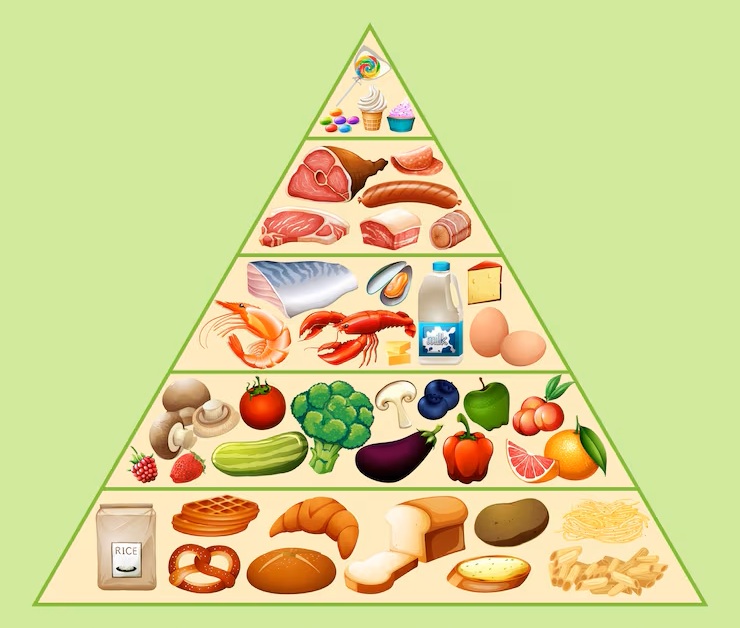
- Eggs (boiled, poached, scrambled — without oil)
- Lean meat and poultry (chicken, turkey)
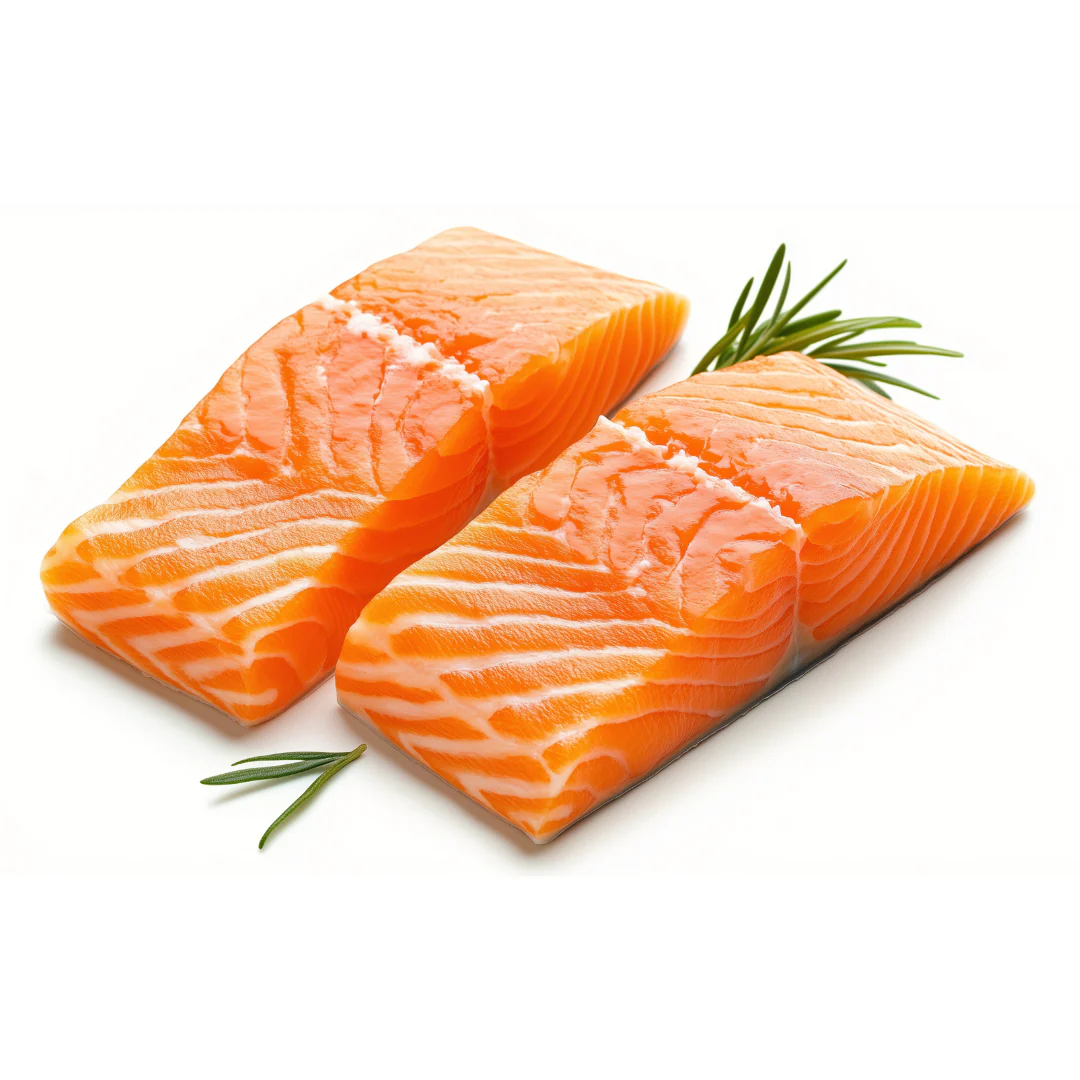
- Fish and seafood
- Low-carb vegetables (spinach, broccoli, cucumber, courgette)
- A limited quantity of fruit (grapefruit in some variants)
- Water, unsweetened tea or coffee
✕ What you avoid
- Sugar and sweets
- Bread, pasta, rice, potatoes
- Alcohol
- Processed foods
- Sweetened beverages
+ Sample one-day menu
+ Pros and cons
Pros
- High protein intake for satiety and muscle mass
- Rapid short-term weight loss
- Low cost — eggs are accessible and cheap
- Simple, easy-to-remember rules
Cons
- Very monotonous — based around a single food
- High intake of dietary cholesterol (though the effect on blood cholesterol is individual)
- Restrictive and hard to sustain socially
- Risk of weight regain after the diet ends
- Nutritional deficiencies if followed long-term
+ ⚠️ Who should avoid this diet
- Egg allergy
- People with familial hypercholesterolaemia or very high LDL, without medical advice
- Kidney disease (high protein intake)
- Not recommended for more than 4 weeks without specialist guidance
Indicative list. Before starting any diet, especially if you have a medical condition, consult a doctor or nutritionist.
Întrebări frecvente
How many eggs can I eat per day on the egg diet?
Most variants recommend 2–4 eggs per day. The rest of the protein comes from lean meat and fish. Exceeding this can lead to an excessive intake of saturated fat and dietary cholesterol.
Does the egg diet raise cholesterol?
The effect of dietary cholesterol from eggs on blood LDL is individual and varies considerably. For most healthy people, moderate consumption does not significantly raise LDL. Those with familial hypercholesterolaemia or very high cholesterol should consult a doctor before following this diet.
How long can I follow the egg diet?
Most versions are designed for 2–4 weeks, as a short-term intervention. It is not recommended as a long-term lifestyle because of its monotony and nutritional imbalance.