
Plant-Based
Raw Food Diet (Crudivore)
All foods are consumed raw or prepared at a maximum of 42°C, to preserve enzymes and nutrients considered heat-sensitive. The basis: fruit, vegetables, nuts, seeds and sprouts.
The raw food diet (crudivore) means consuming exclusively unprocessed, unboiled, uncooked foods — or foods prepared at a maximum of 42°C (dehydration, blending). The most common variant is vegan, based on fruit, vegetables, nuts, seeds and sprouts.
Proponents believe that cooking destroys enzymes and some vitamins, reducing the nutritional value of foods. Scientific evidence on this point is mixed: some nutrients (vitamin C, folate) are heat-sensitive, but others (lycopene, beta-carotene) become more bioavailable after cooking.
It is one of the most restrictive diets in existence. While it promotes a high consumption of fruit and vegetables — beneficial in any context — the complete absence of cooked foods makes it difficult to obtain sufficient protein, calcium, iron and vitamin B12 without supplementation. It is not recommended for pregnant women, children or those with chronic diseases without medical advice.
History and origin
Modern precursors of the raw food movement can be traced to the late nineteenth century. Maximilian Bircher-Benner, a Swiss physician, promoted the consumption of raw foods around 1900 as preventive and curative therapy at his clinic in Zurich. He is credited with inventing muesli — a mixture of oat flakes, nuts and raw fruit — and insisted that raw foods contain “solar energy” lost in cooking, a scientifically unvalidated idea but culturally influential.
The movement gained ground in the United States through Ann Wigmore, who founded the Hippocrates Health Institute in Boston in 1963 and promoted wheatgrass juice and raw foods as a solution for various diseases. Gabriel Cousens and David Wolfe continued this line in the 1990s–2000s, writing popular books and building communities around raw vegan philosophy. These figures contributed to transforming a niche diet into a wellness trend with a global internet presence.
Today the raw food diet exists in several variants — raw vegan, raw vegetarian, raw omnivore — and has spawned an industry of dehydrators, high-speed blenders and processed raw products. Researchers continue to study the effects of consuming raw versus cooked foods, with mixed results: some nutrients are better preserved raw, others become more bioavailable through cooking. There are no long-term randomised clinical trials validating the general benefits of the raw food diet over a conventional balanced diet.
+ What you eat and what you avoid
✓ What you eat
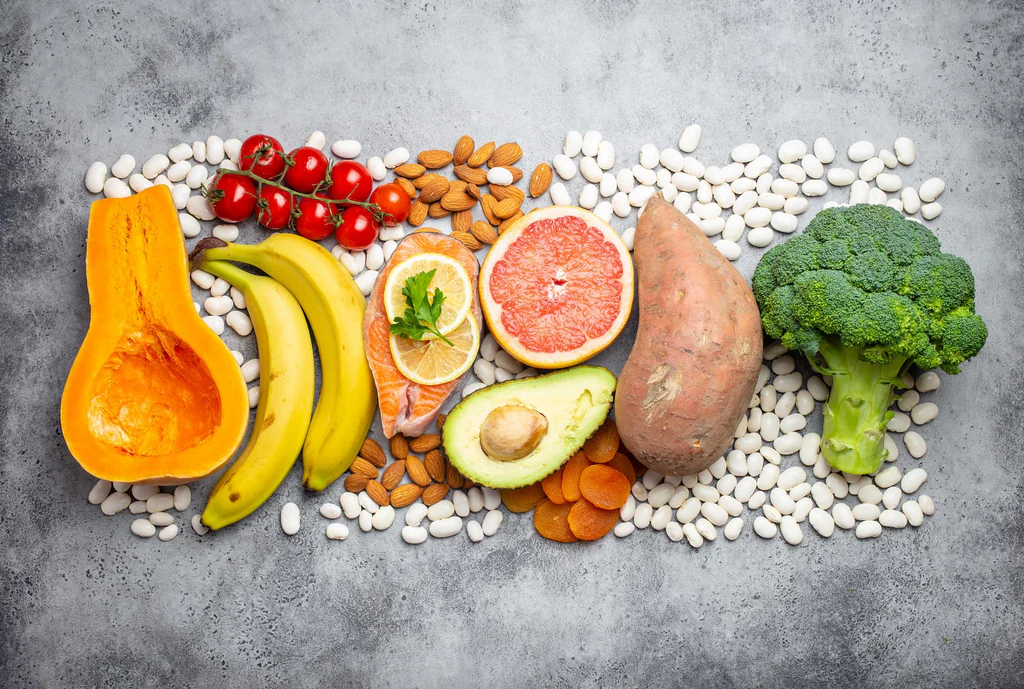
- Fresh and dried fruit (unsulphured, no added sugar)
- Raw vegetables and salads
- Raw nuts and seeds (unsalted, unroasted)
- Sprouts (wheat, lentil, mung bean)
- Cold-pressed oils (extra-virgin olive oil, coconut oil)
- Raw seaweed (spirulina, chlorella)
- Home-made plant milk (almond, coconut)
- Raw mushrooms
✕ What you avoid
- Any food cooked above 42°C
- Meat, fish and animal products (in the vegan variant)
- Processed grains, bread, pasta
- Refined sugar and artificial sweeteners
- Preserved or pasteurised foods
- Cooked legumes (replaced with sprouts)
+ Sample one-day menu
+ Pros and cons
Pros
- High intake of fibre, vitamins and antioxidants from fruit and vegetables
- Completely eliminates processed foods and added sugar
- Low caloric density — naturally leads to a caloric deficit
Cons
- High risk of deficiency in vitamin B12, calcium, iron, zinc, omega-3 and vitamin D
- Mandatory B12 supplementation in the vegan variant
- Extremely restrictive — difficult socially and practically
- Some raw legumes and grains contain antinutrients neutralised by cooking
- Some nutrients (e.g. lycopene from tomatoes) are BETTER absorbed after cooking
+ ⚠️ Who should avoid this diet
- Pregnant women and children — real risk of nutritional deficiency; contraindicated without medical supervision
- Immunocompromised individuals — raw foods carry bacterial risk (salmonella, listeria)
- People with thyroid conditions — excess raw cruciferous vegetables can inhibit iodine absorption
- Not recommended long-term without regular tests and supplementation
Indicative list. Before starting any diet, especially if you have a medical condition, consult a doctor or nutritionist.
Întrebări frecvente
Why the 42°C limit?
Raw food proponents believe that natural food enzymes are destroyed above 42–48°C and that these enzymes aid digestion. Conventional nutritionists note that food enzymes are inactivated anyway by stomach acid, so the direct benefit is disputed.
Is the raw food diet dangerous?
Short-term and for healthy adults, risks are manageable with careful planning and supplementation. Long-term or without monitoring it can produce serious deficiencies of vitamin B12, calcium and protein. It is one of the most restrictive diets in existence and is not recommended for children, pregnant women or those with chronic diseases.
Do I have to be vegan for the raw food diet?
Not necessarily — there are variants that include raw fish (sashimi), raw meat or raw eggs, but these are far rarer and carry additional food-safety risks. The predominant variant in Romania and Europe is the vegan one.