
Low-Carb
Atkins Diet
Very few carbohydrates at the start, gradually reintroduced in four phases, with an emphasis on protein and fat.
The Atkins diet is one of the best-known low-carb diets. It works in four phases: it starts with an induction phase in which carbohydrates are drastically reduced, then gradually reintroduces them up to a personal maintenance level. The emphasis is on protein and fat, which provide satiety.
The main advantage is rapid weight loss at the start and the absence of calorie counting. The disadvantage is the restrictive nature of the first phase and the need to follow the phases carefully to avoid weight regain.
History and origin
The Atkins diet was created by American cardiologist Robert C. Atkins, inspired by an article published in 1963 in the Journal of the American Medical Association by Alfred Pennington, who described the benefits of reducing carbohydrates for weight control. Atkins tested the approach on himself and his patients, achieving results he presented to the public in Dr. Atkins’ Diet Revolution (1972). The book provoked immediate medical controversy but sold millions of copies and placed carbohydrate restriction at the centre of the public debate about weight loss.
The diet went through several editions and reformulations. Dr. Atkins’ New Diet Revolution (1992) updated the principles and brought a new wave of popularity, coinciding with growing interest in low-carb diets in the United States. Atkins founded Atkins Nutritionals, a company producing foods and supplements compatible with his diet. He died in 2003 following an accident, and the company continued to promote the programme, going through insolvency proceedings in 2005 before returning to market.
The Atkins diet profoundly influenced modern nutrition: it stimulated academic research into the effects of carbohydrate restriction and contributed to the emergence of the keto diet, the Paleo diet and other low-carb variants. Debates about its long-term safety, particularly regarding saturated fat intake, continue in the specialist literature.
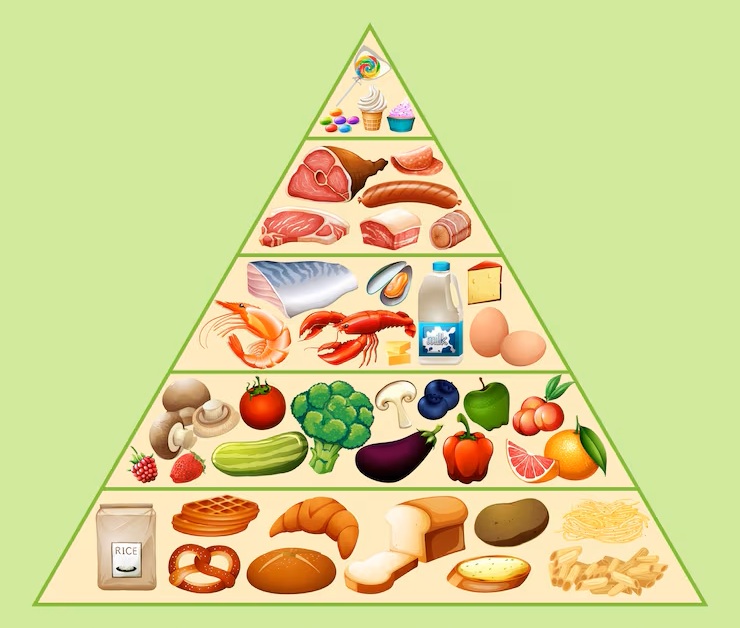
+ What you eat and what you avoid
✓ What you eat
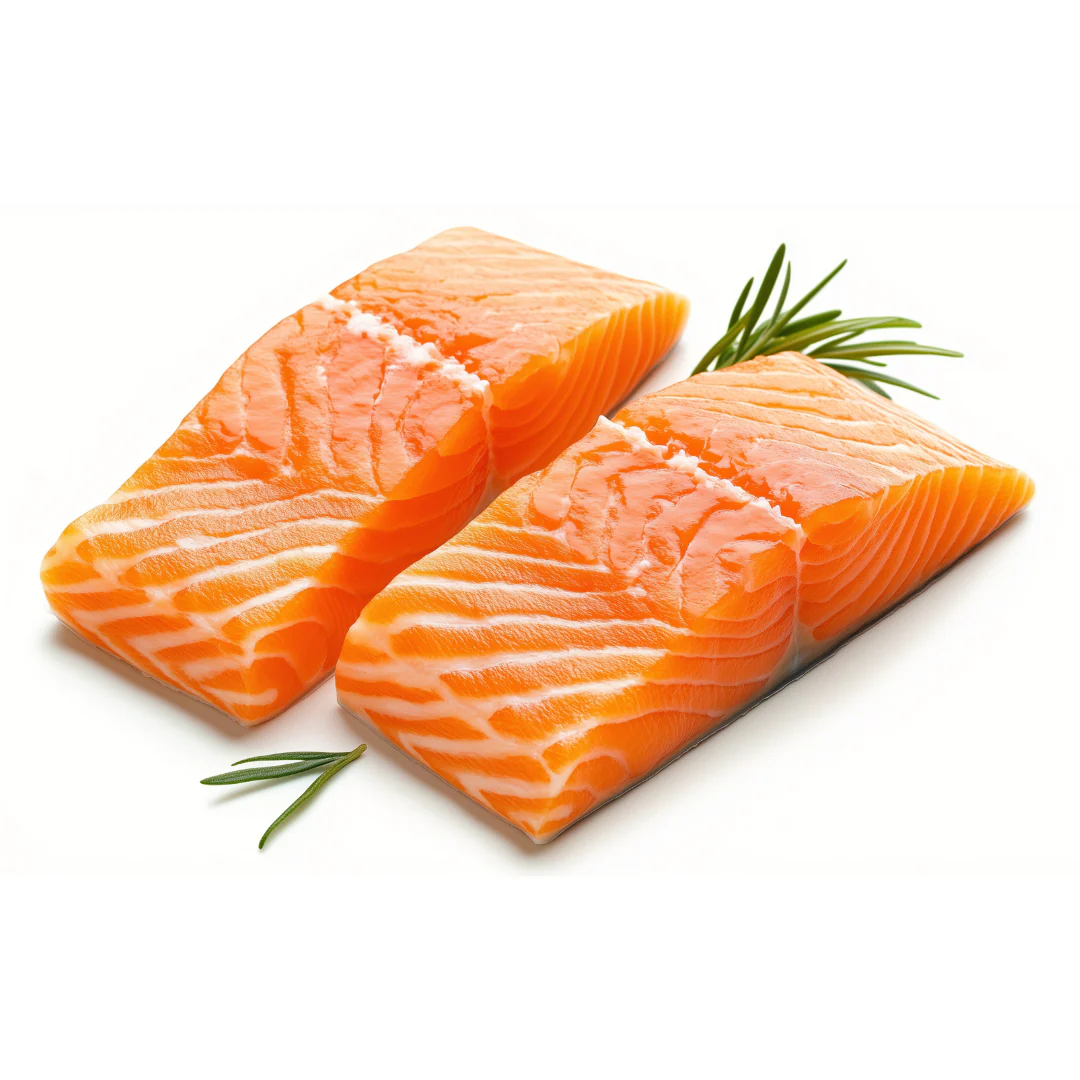
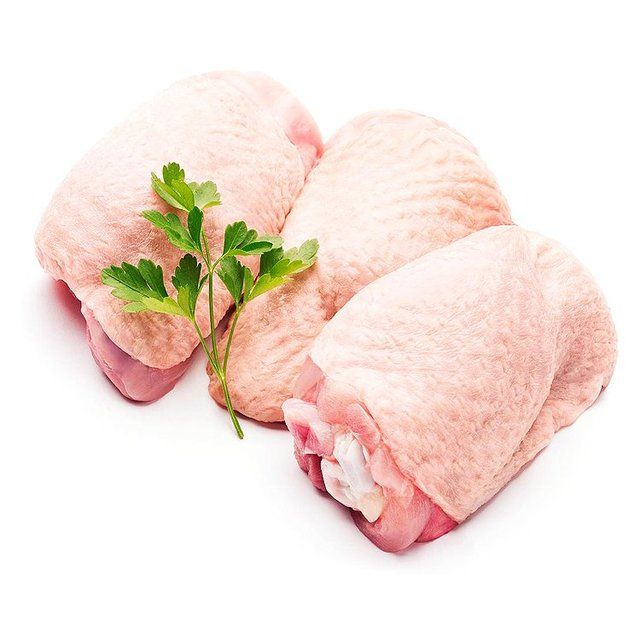
- Meat, poultry, fish
- Eggs and cheese
- Healthy fats (olive oil, butter, avocado)
- Low-carb vegetables
- Nuts and seeds (in later phases)
✕ What you avoid
- Sugar and sweets
- Bread, pasta, rice (especially at the start)
- Potatoes and starchy vegetables
- Sweet fruit in Phase 1
+ Sample one-day menu
+ Pros and cons
Pros
- Rapid weight loss in the induction phase
- Good satiety from protein and fat
- Carbohydrates are gradually reintroduced
Cons
- Restrictive at the start
- Possible side effects in Phase 1 (fatigue, headaches)
- Requires tracking the phases
+ ⚠️ Who should avoid this diet
- People with kidney disease
- Pregnant or breastfeeding women
- Diabetes without medical supervision
Indicative list. Before starting any diet, especially if you have a medical condition, consult a doctor or nutritionist.
Întrebări frecvente
What are the phases of the Atkins diet?
Four: induction (very few carbs), balancing (gradual reintroduction), pre-maintenance and long-term maintenance.
How does Atkins differ from keto?
Both are low-carb, but Atkins gradually increases carbohydrates in the later phases and places great emphasis on protein, while keto keeps carbs very low to maintain ketosis.