
Plant-Based
Alkaline Diet
Classifies foods as acid-forming or alkalising and recommends a diet where 70–80% of foods are considered alkaline. The claim that diet influences blood pH is clinically controversial, but the promoted foods are generally healthy.
The alkaline diet starts from the idea that foods can influence the body’s internal pH and that a more alkaline environment would be healthier. According to this theory, foods are divided into “acid-forming” (meat, dairy, sugar, alcohol) and “alkalising” (vegetables, fruit, legumes).
From a clinical standpoint, the premise is not supported by solid evidence — the human body regulates blood pH precisely through the lungs and kidneys, independent of diet. However, the alkaline diet promotes foods that are recognised as beneficial for other reasons: rich in fibre, antioxidants and nutrients, with low caloric density.
In practice, following the alkaline diet means more vegetables, fruit and legumes and less processed meat, sugar and ultra-processed foods — a broadly healthy pattern, regardless of the pH theory that underpins it.
History and origin
The theoretical origins of the alkaline diet can be found in the work of American physician William Howard Hay, who in the 1920s argued that “acid-forming” foods were the primary source of modern disease and that a diet based on “alkalising” foods could restore health. Hay was not a nutritionist in the modern sense, and his theory did not withstand later clinical scrutiny, but it influenced generations of followers of alternative medicine.
The concept was revived and modernised in the 1990s–2000s, most prominently by Robert O. Young, who published The pH Miracle in 2002. The book sold millions of copies and transformed the alkaline diet from a fringe theory into a global wellness trend. Young claimed that internal acidity causes cancer and other serious diseases — claims for which he was convicted in the USA in 2017 for practising medicine illegally.
Despite the lack of validation for the central mechanism, the alkaline diet remains popular, partly because the foods it promotes — vegetables, fruit, legumes — are recognised by conventional nutrition as beneficial. The medical community agrees with the practical recommendations but not with the pseudoscientific premise of modifying blood pH through diet.
+ What you eat and what you avoid
✓ What you eat
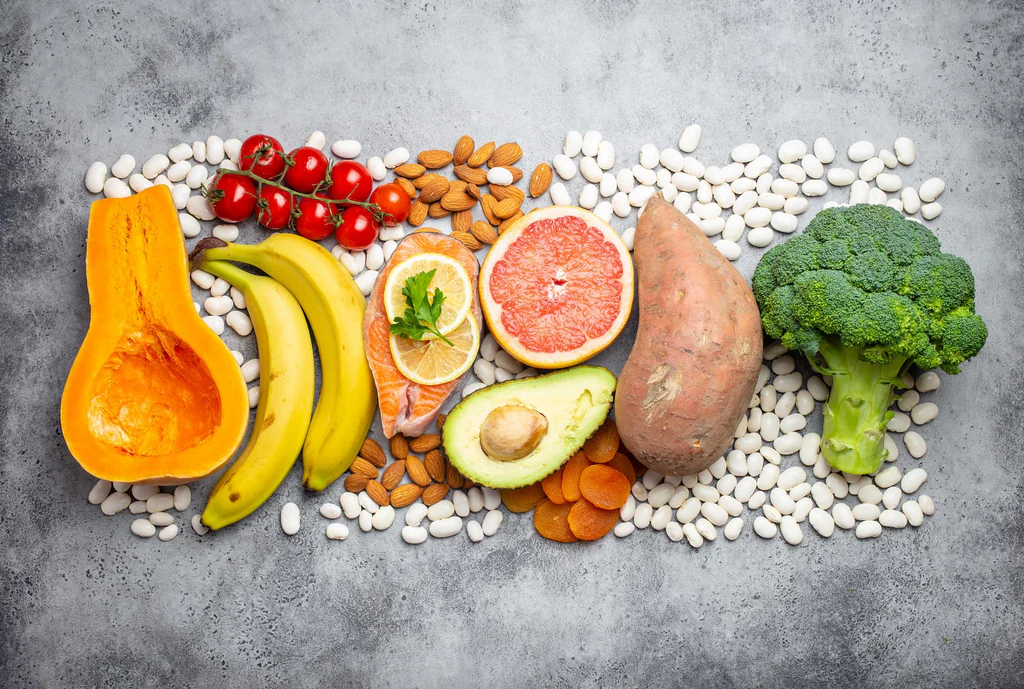
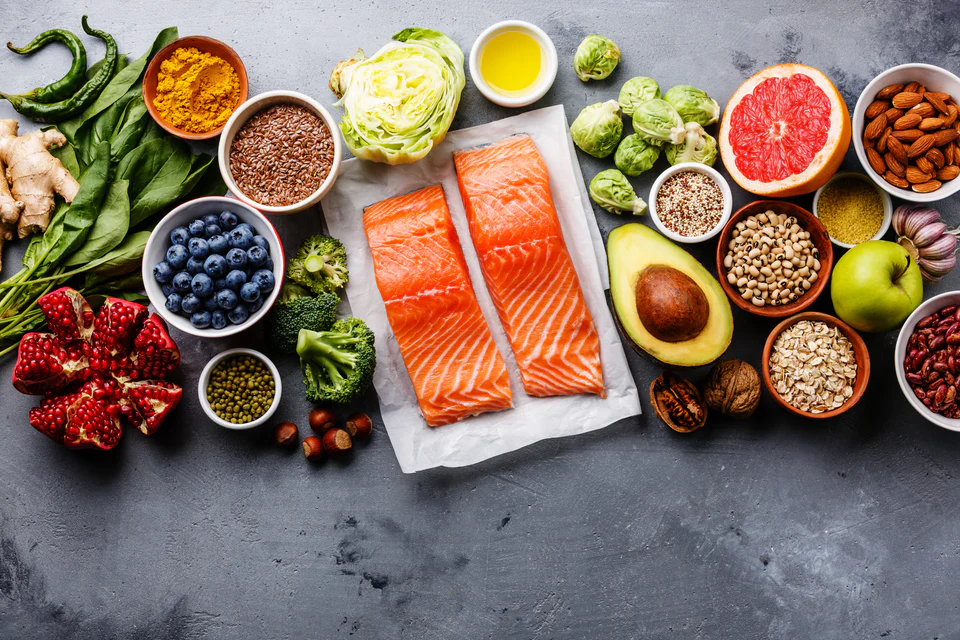
- Vegetables (spinach, kale, broccoli, cucumber, avocado, beetroot)
- Fruit (lemon — paradoxically considered alkalising, watermelon, apples, pears)
- Legumes (lentils, chickpeas, beans)
- Nuts and seeds (almonds, pumpkin seeds)
- Whole grains in moderation (quinoa, millet)
- Alkaline or mineral water
- Tofu and tempeh
✕ What you avoid
- Red and processed meat
- Dairy products (milk, cheese, butter)
- Sugar and processed sweets
- Alcohol and coffee
- Wheat and white flour products
- Carbonated drinks
+ Sample one-day menu
+ Pros and cons
Pros
- Promotes large amounts of vegetables and fruit
- Eliminates processed foods and sugar — beneficial regardless of the pH theory
- Compatible with a vegetarian or vegan lifestyle
Cons
- The core premise — that foods change blood pH — is not supported by solid evidence (the body regulates blood pH through its own mechanisms)
- Eliminating dairy requires attention to calcium intake
- Restrictive regarding animal protein
+ ⚠️ Who should avoid this diet
- Kidney disease — a high-potassium diet (typical of alkaline) may be contraindicated; consult a doctor
- Not recommended for pregnant women without medical advice due to protein restrictions
Indicative list. Before starting any diet, especially if you have a medical condition, consult a doctor or nutritionist.
Întrebări frecvente
Does the alkaline diet really affect blood pH?
Not directly. Human blood has a tightly regulated pH of 7.35–7.45, controlled by the lungs and kidneys regardless of what we eat. Nevertheless, the foods the alkaline diet promotes (vegetables, fruit, legumes) are recognised as beneficial for other reasons — fibre, antioxidants and low caloric density.
Why is lemon considered alkaline when it tastes acidic?
The classification is based on the metabolic ash produced after digestion, not on the taste. Lemon, although acidic in flavour, produces compounds considered alkalising after being metabolised. This distinction is the basis of the theory, though the mechanism is not clinically validated.
Do you lose weight on the alkaline diet?
Yes, mainly by eliminating sugar, processed foods and empty calories. Increasing vegetables and legumes naturally lowers the caloric density of meals. Weight loss does not come from changing pH, but from the quality of the foods chosen.