Volume eating: how to lose weight by eating more, not less
If you’ve ever tried a restrictive diet, you know how it feels: small portions, constant hunger, and eventually abandoning the plan after a few days. Volume eating starts from the opposite premise — instead of reducing the amount of food, you change the type of food, so you can eat a lot and still stay in a caloric deficit. It’s one of the most searched nutrition trends in 2026, and for good reason.
What volume eating actually means
The core idea is simple: the stomach and brain respond to the volume of food, not the calories in it. A plate full of vegetables and a handful of chips might have the same number of calories, but they’ll leave you in completely different states — one satisfies you, the other has you looking for more.
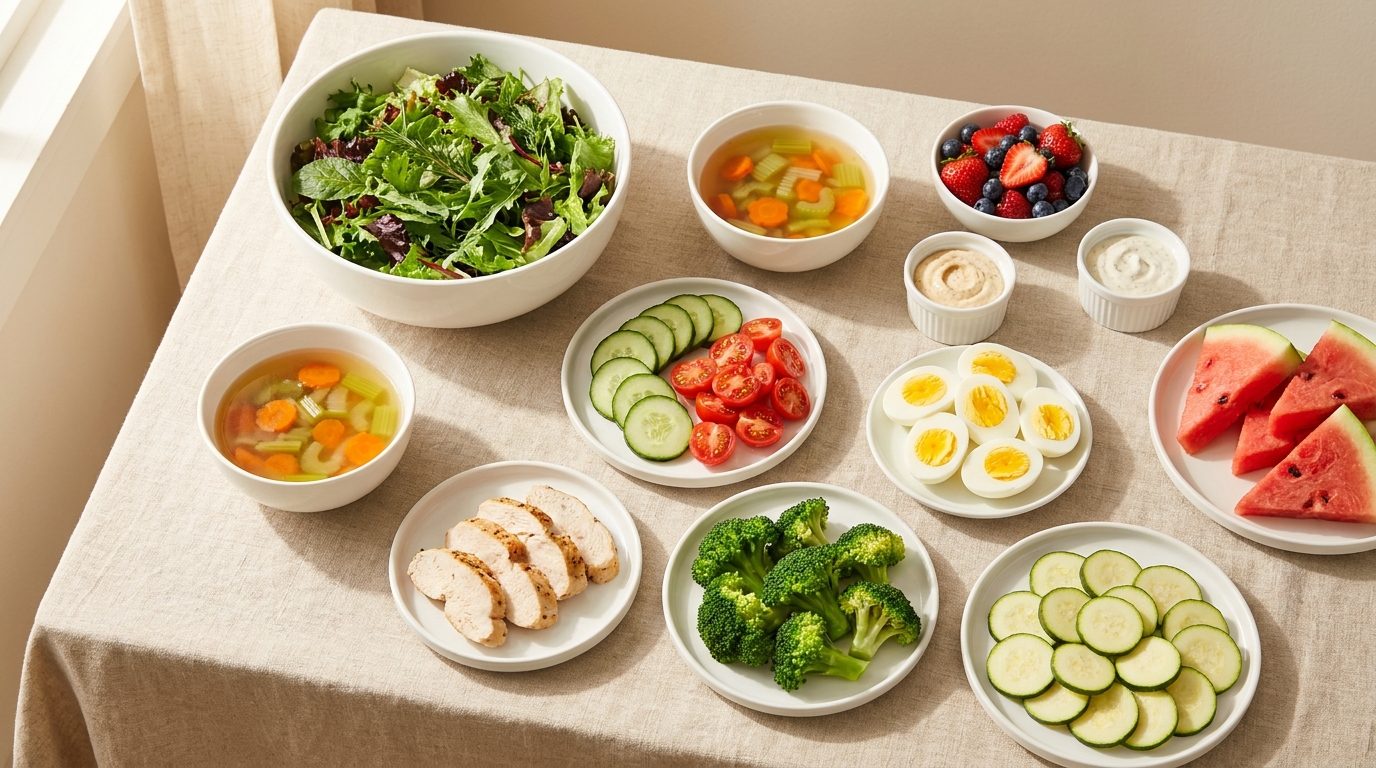
Volume eating means prioritizing foods with low caloric density — meaning few calories per gram. Vegetables, fruits, clear soups, egg whites, and lean protein are classic examples. One kilogram of salad has fewer calories than 100 g of chips. If you eat for volume, you can fill your plate three times and still lose weight.
Why it works: the mechanisms behind it
Mechanical satiety. The stomach has pressure receptors that send “I’m full” signals to the brain when its walls are stretched. A large volume of fiber- and water-rich foods activates these receptors quickly and keeps them active longer.
Caloric satiety. Proteins and fiber slow gastric emptying and stimulate satiety hormones (GLP-1, PYY). Low-calorie-density foods are usually rich in both.
Thermic effect. The body burns more calories digesting whole foods compared to processed foods. It’s not a huge effect, but it contributes.
Caloric density — how to calculate it
Caloric density = calories per gram of food.
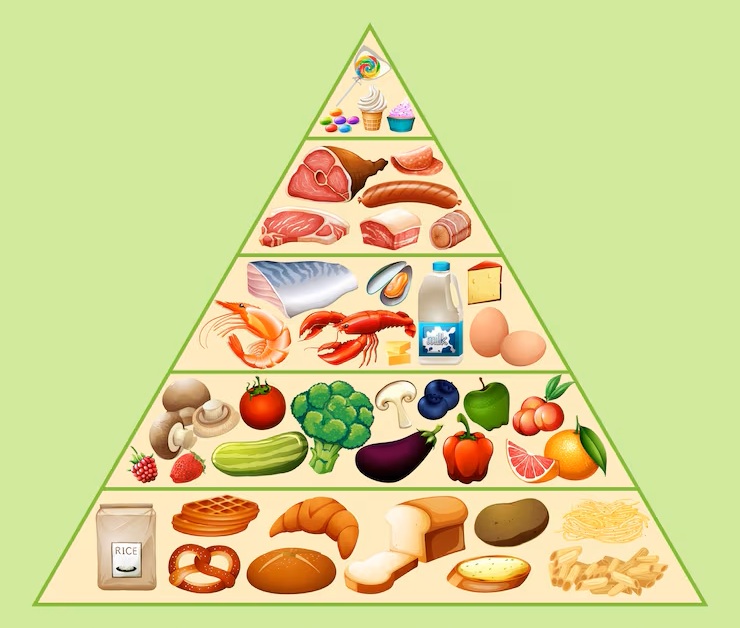
- Under 1 kcal/g (diet base): leafy greens, cucumbers, tomatoes, zucchini, mushrooms, soup, watermelon, strawberries
- 1–2 kcal/g (filler foods): whole fruits, cooked legumes, low-fat yogurt, egg whites, chicken breast
- 2–4 kcal/g (in moderation): whole grain bread, brown rice, boiled potatoes, fish, low-fat cheese
- Over 4 kcal/g (small amounts): nuts, oil, fatty cheeses, cookies, chocolate
Volume eating doesn’t ban any category. The idea is to fill 80% of your plate with the first two groups and leave room for the others.
What a day of volume eating looks like
Morning: omelette from 3 egg whites + 1 whole egg with cherry tomatoes, peppers and spinach — full plate, approximately 250 kcal. Compared to 2 slices of toast with butter (300 kcal), you get twice the food.
Lunch: a large bowl of vegetable soup with chicken breast (400 ml) + a generous salad with chickpeas and lemon dressing — around 400 kcal. Versus a small kebab (600 kcal), you eat more with 200 fewer calories.
Snack: 1 apple + cherry tomatoes + 0% yogurt with cucumber — total ~150 kcal, and you feel like you’ve actually eaten something substantial.
Evening: baked chicken breast with roasted vegetables (cauliflower, carrots, zucchini, peppers) — very full plate, ~400 kcal.
Day total: ~1,200–1,400 kcal, without ever feeling like you’re on a diet.
The pillars of volume eating
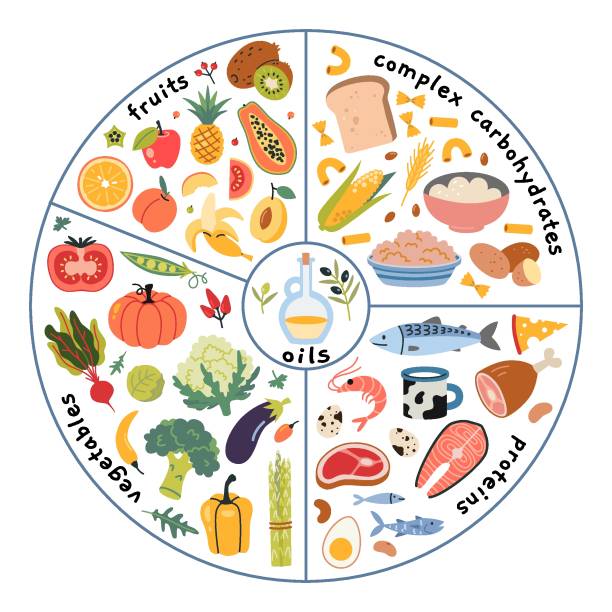
Vegetables: cabbage, cauliflower, broccoli, zucchini, peppers, tomatoes, cucumbers, carrots, lettuce, spinach. You can eat practically unlimited amounts of these without sabotaging your diet.
Clear soups and broths: mostly water, so extremely low caloric density. A 500 ml serving of vegetable soup fills you up for just 80–120 kcal.
Lean protein: chicken breast, turkey, lean fish (cod, pike-perch, sea bream), egg whites, 0% or 2% yogurt, low-fat cottage cheese. Protein satiates well and has medium caloric density.
Whole fruits: apples, pears, oranges, strawberries, watermelon. Avoid juices — whole fruit has fiber and volume, juice doesn’t.
What volume eating is not
It’s not an excuse to eat as much as you want of everything. Nuts, for example, are healthy but have high caloric density (600 kcal/100 g) — you don’t eat them by the handful. Peanut butter, avocado, and olive oil are the same: nutritionally excellent, but not in large quantities if you’re doing volume eating.
It’s also not a diet to avoid carbohydrates. Boiled potatoes, brown rice, and whole grain bread are fine — medium caloric density and good satiety. The problem is the french fry or white bread with butter, not the potato itself.
Advantages and limitations
Advantages:
- You’re not hungry — this is the main benefit compared to any other caloric approach
- You don’t need to obsessively weigh food
- You get enough vitamins, minerals, and fiber almost automatically
- Adapts easily to traditional cuisine (soups, stews, salads)
Limitations:
- Requires cooking — restaurants and fast food aren’t naturally compatible
- Harder when traveling or when you can’t control what you eat
- Some people can’t tolerate large amounts of raw vegetables (digestive issues)
Frequently asked questions
Does volume eating work without counting calories?
Partially. If you consistently choose low-calorie-density foods and avoid ultra-processed foods, it’s hard to exceed your caloric needs. But if you eat huge quantities even of “healthy” foods with medium density, you can still gain weight.
Is it compatible with the keto diet?
Not in the classic version — volume eating relies heavily on vegetables and fruits, which bring some carbohydrates. Keto versions of volume eating exist but are harder to maintain.
How fast do you lose weight with volume eating?
It depends on your total caloric intake. If you achieve a 300–500 kcal/day deficit relative to your needs, you can lose 0.3–0.5 kg per week — a healthy and sustainable rate.
Can I do volume eating and gain muscle mass?
Difficult simultaneously. Volume eating is optimized for weight loss. If you want muscle mass too, you need more protein and more caloric surplus.
Volume eating isn’t magical, it’s logical: if you replace calorie-dense food with food full of water, fiber, and protein, you can eat more, feel more satisfied, and still lose weight. The trick is to restructure your plate, not empty it.
⚕️ The information in this article is for educational purposes and does not replace the advice of a doctor or nutritionist.