7 weight loss myths everyone still believes
More nonsense has been said about weight loss than about almost any other topic. Some myths are so widespread that we repeat them without questioning them — and some of them actually sabotage our efforts. We’ve collected the seven most persistent ones and debunk them one by one, simply, without jargon. If you take away even three of them, you already have an advantage over most people who diet.
Myth 1: “Evening carbs make you gain weight”
Probably the most widespread myth. The reality: your body doesn’t have a clock that, after 6 pm, converts bread into fat. What matters is total calories for the day, not when you eat them. If you’re within your requirement, you can eat a portion of carbohydrates in the evening without problems.
Where does the confusion come from? Many people eat most uncontrollably in the evening — snacks, sweets, large portions in front of the TV. The time isn’t the problem; it’s what and how much is eaten then. A slice of wholegrain bread at dinner won’t make you gain weight; half a bag of crisps at 10 pm will — but it would have done the same at lunch.
Myth 2: “If you sweat a lot, you burn more fat”
Sweating is the body’s way of cooling itself, not an indicator of fat burned. When you weigh yourself after an hour of intense sport and see minus 1 kg, you lost water, not fat — and it goes right back on once you drink. That’s why saunas, sweat suits, and “slimming belts” are useless for real weight loss: you wring out water, not fat.
Myth 3: “Certain foods burn fat”
Grapefruit, pineapple, chilli pepper, vinegar, lemon water — periodically, some food is declared a “fat burner.” None of them are. No food has the power to burn stored fat. Some may increase metabolism slightly (the effect of spiciness, for example), but the difference is negligible. Weight loss comes from a calorie deficit, not from magic foods.
Myth 4: “To lose weight you must eat often, to speed up your metabolism”
The number of meals doesn’t change how much you burn. You can eat three times or six times a day — if the total calories are the same, the result is identical. “Frequent meals speed up metabolism” is a myth that has sold many protein snacks. Choose the number of meals that keeps you full and away from nibbling, whether that’s three or five.
Myth 5: “Dietary fat turns into body fat”
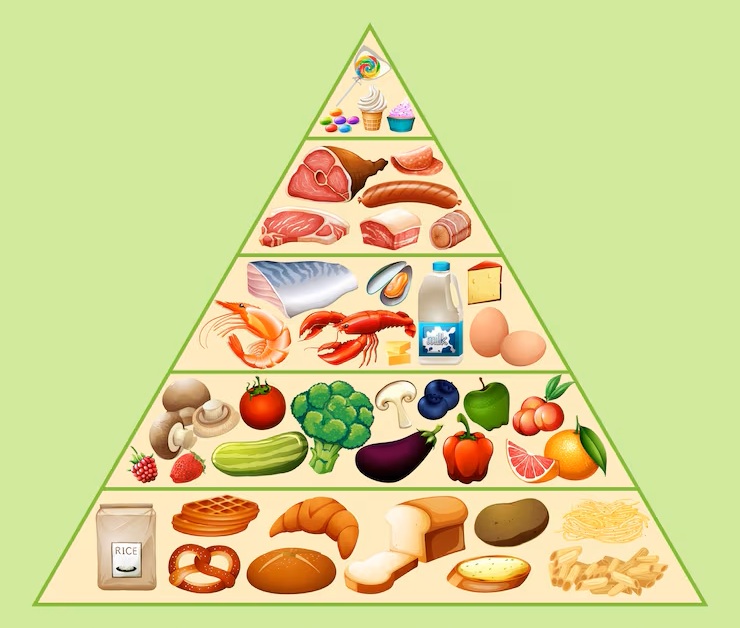
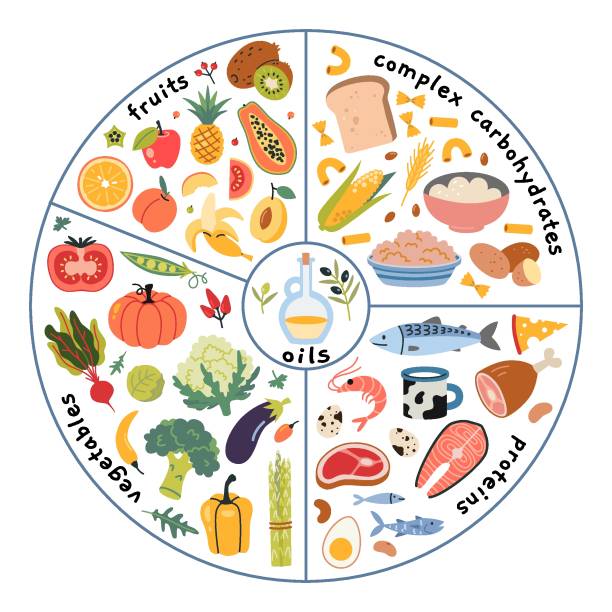
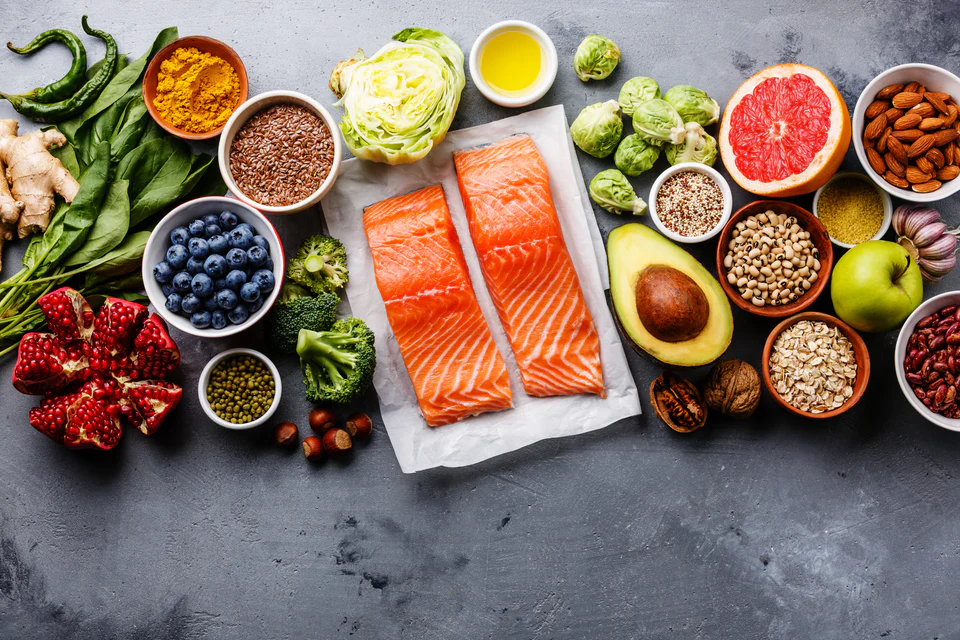
The logic seems to flow — you eat fat, you gain fat. But that’s not how it works. Healthy fats (olive oil, avocado, nuts, fatty fish) are important and fill you up well. You gain weight from a calorie surplus, regardless of whether it comes from fats, carbohydrates, or protein. Paradoxically, many “0% fat” products are full of sugar to compensate for taste — and make you gain more weight than the full-fat alternative.
Myth 6: “A detox cleanses your body and helps you lose weight”
Your liver and kidneys do detoxification non-stop, for free, without the help of any tea, green juice, or week-long “cleanse.” “Detox” teas and juices make you lose weight temporarily only through water elimination and a laxative effect — they don’t “cleanse toxins” and they don’t melt fat. “Detox” is a marketing term, not a medical one.
Myth 7: “If you eat even less, you lose weight even faster”
The most damaging myth of all. By drastically cutting calories (below 1,000–1,200), you exhaust yourself, lose muscle mass, are constantly hungry, and statistically give in to binges that cancel everything out. A moderate deficit of 300–500 calories, sustained for months, beats any starvation held for a few days. More on how many calories you actually need.
Frequently asked questions
Can I really eat in the evening without gaining weight?
Yes, if you’re within your daily calorie requirement. The time of the meal doesn’t change the physics of weight loss. What and how much you eat in total is what matters, not when.
So doesn’t sport help with weight loss if I don’t “burn” through sweating?
Sport helps enormously — but through the calories the effort consumes and through the muscle mass it protects, not through sweating. Sweating is just cooling, not a measure of fat burned.
Why are these myths so widespread?
Because they’re simple, sound logical, and often sell something — a product, a snack, a “cleanse.” The boring truth (calorie deficit, patience) can’t be packaged and sold as easily.
Which myth does the most harm?
The one about starvation (“less = faster”). It leads to extreme diets, muscle mass loss, and the yo-yo effect. Losing weight too aggressively almost always comes back to haunt you.
”Fruit makes you gain weight because it has sugar” — true or myth?
Mostly a myth. Fruit contains natural sugar, but also water, fibre, and vitamins, and is hard to overeat — it’s much easier to drink 500 calories of juice than to eat 500 calories of apples. Whole fruit is an excellent diet snack. The problem arises with fruit juices and dried fruits, which are very calorie-dense.
”If I skip meals, I lose weight faster” — is that correct?
Not necessarily. Total daily calories are still what count. Some people do well skipping breakfast (see intermittent fasting), but others end up so hungry they eat double at the next meal. Skipping meals is neither magic nor mandatory — it only works if it helps you eat less overall.
Does it matter what I eat or just how many calories?
For weight loss, calories matter. For health and for how easily you stick to the diet, quality matters too: protein, fibre, and filling foods make the deficit bearable, while sweets and processed foods leave you hungry. So both — calories for the number on the scale, quality to make the journey bearable.
If you cut these seven myths from the way you think about weight loss, you’re left with the simple, useful truth: eat slightly less than you consume, move, sleep, and be patient. Everything else is stories that sell but don’t slim. A good test for any new weight loss advice you hear: if it promises results without effort or blames a single “guilty” food, it’s almost certainly another myth. The truth about weight loss is boring and consistent — which is exactly why it works.
⚕️ This information is for educational purposes only and does not replace the advice of a doctor or nutritionist.