
Gut microbiome and weight loss: what role do gut bacteria play
You have approximately 38 trillion bacteria in your gut — more than the cells in your own body. These bacteria aren’t just passengers — they influence digestion, immunity, mood, and, increasingly clearly from research, body weight. The gut microbiome is one of the most active topics in nutritional research of the past decade, and its link to weight loss is becoming better documented.
What the gut microbiome is
The microbiome is the totality of microorganisms (bacteria, viruses, fungi) living in the digestive tract, especially in the large intestine. Each person has a unique microbial “fingerprint” — like a fingerprint.
Gut bacteria aren’t simply present — they actively participate in digestion, produce vitamins (B12, K), neutralize harmful substances, and communicate with the nervous system and immune system. It’s not an exaggeration to say the microbiome is an organ in itself.
How bacteria influence body weight
Caloric extraction. Some bacteria are more efficient than others at extracting calories from food. Studies on identical twins (same genetics, different microbiome) showed that the one with more Firmicutes relative to Bacteroidetes extracted more calories from the same food. Effectively, with a less diverse microbiome, you can gain weight eating the same as someone else.
Short-chain fatty acid (SCFA) production. Good bacteria ferment fiber and produce SCFAs — especially butyrate, propionate, and acetate. These compounds reduce inflammation, improve insulin sensitivity, and signal the brain that you’re full through hormones like GLP-1 and PYY.
Intestinal permeability. An imbalanced microbiome (dysbiosis) leads to “leaky gut” — the intestinal wall becomes less sealed and lets bacterial endotoxins into the bloodstream. This triggers low-grade chronic inflammation, which is associated with insulin resistance and fat storage.
The gut-brain axis. Bacteria produce neurotransmitters (including 90% of the body’s serotonin is produced in the gut) and communicate with the brain through the vagus nerve. An imbalanced microbiome can influence appetite, cravings, and even mood — which is why emotional eating sometimes has an intestinal component too.
Signs of an imbalanced microbiome
- Frequent bloating, gas, irregular bowel movements
- Intense cravings for sugar and refined carbohydrates
- Chronic fatigue without clear causes
- Weak immunity (frequent colds)
- Difficulty losing weight despite a real caloric deficit
No single symptom confirms dysbiosis — but the combination of several is a signal.
What damages the microbiome
Antibiotics are the most powerful disruptor. A course of antibiotics massively destroys bacterial colonies, including beneficial ones. The microbiome may partially recover over several months, but sometimes not completely.
Ultra-processed foods. Emulsifiers in industrial products (polysorbate 80, E471) disrupt the mucus layer protecting the intestinal wall. Excess sugar feeds opportunistic bacteria at the expense of beneficial ones.
Lack of fiber. Beneficial bacteria feed on fiber (prebiotics). Without it, beneficial colonies shrink. The modern diet, poor in fiber, is probably the main factor reducing microbiome diversity compared to previous generations.
Chronic stress. Chronically elevated cortisol directly disrupts microbiome composition.
Insufficient sleep. Circadian rhythm affects bacteria too — a disordered sleep schedule disrupts the microbiota balance.
What improves the microbiome
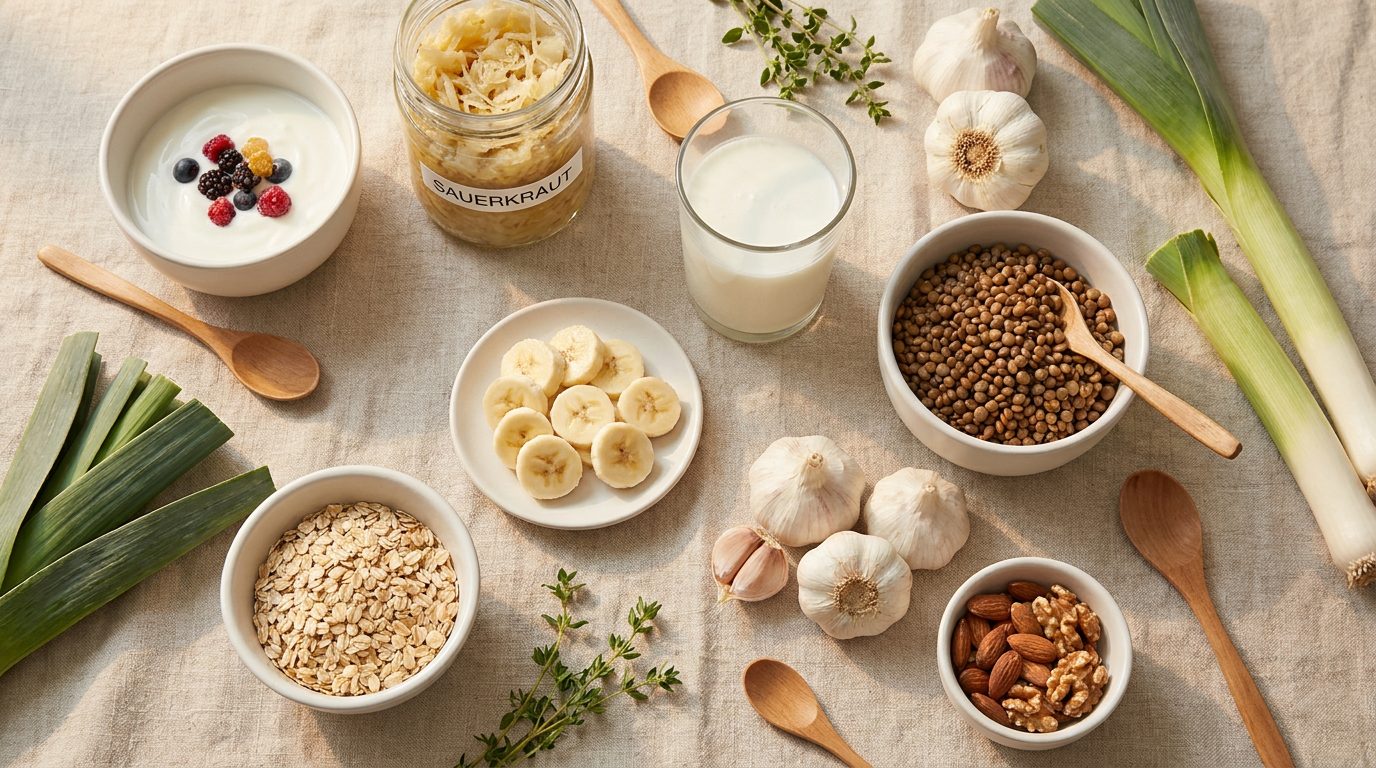
Prebiotic fiber is the fuel for beneficial bacteria. The best sources: garlic, onion, leeks, artichokes, bananas (especially slightly unripe), oats, barley, beans, lentils. Increase fiber gradually — too much too fast causes bloating.
Fermented foods contain live bacteria that contribute to microbiome diversity: natural yogurt (with active cultures), kefir, sauerkraut, pickles in brine (not vinegar), miso, tempeh. Not all fermented foods are equally effective — unpasteurized ones are better.
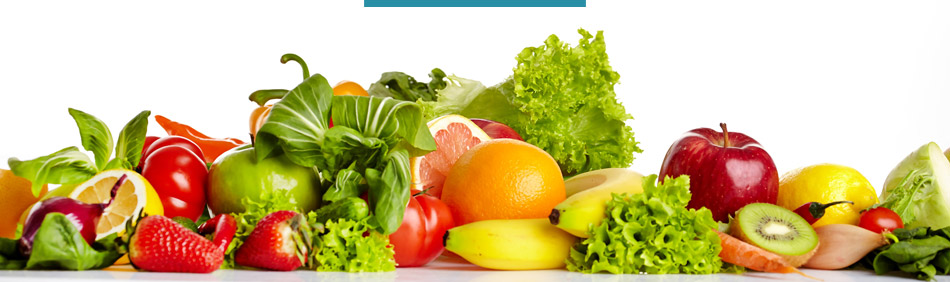
Dietary diversity is as important as fiber quantity. Studies show people who eat more than 30 different plants per week (vegetables, fruits, grains, legumes, nuts, herbs and spices) have a significantly more diverse microbiome. 30 plants sounds like a lot, but a condiment, a type of salad leaf, a nut — each counts.
Physical activity increases bacterial diversity, independent of diet. Even regular zone 2 cardio improves markers of gut health.
Probiotic supplements — are they worth it?
Probiotic capsules are more controversial than they seem. A few conclusions from research:
- Most studied: Lactobacillus and Bifidobacterium in specific strains. Not all probiotics are equivalent.
- Effects are often temporary — if you don’t have the right diet, the bacteria from the supplement don’t permanently establish.
- Useful after antibiotics or in certain digestive disorders (IBS, antibiotic-associated diarrhea).
- For weight loss specifically, evidence is still inconsistent — there’s no miraculous strain.
Fermented foods are more effective than supplements for long-term diversity.
The microbiome and diet type
Different diets have different effects:
The Mediterranean diet is the best-studied for microbiome health — rich in fiber, legumes, olive oil, fish, vegetables, and fruits. Clinical studies show increased bacterial diversity and SCFA production.
The keto diet significantly reduces fiber (due to carbohydrate limitation), which can reduce colonies of beneficial bacteria that depend on fiber. Short-term it’s a minor issue; long-term, keto without attention to prebiotics can be disadvantageous for the microbiome.
Vegetarian/vegan diet tends to increase microbiome diversity, especially when it includes legumes and whole grains.
Frequently asked questions
Can I test my microbiome at home?
Commercial microbiome tests (from stool) are available. Clinical utility is currently limited — science hasn’t reached the stage where you can definitively interpret what bacterial combination is “ideal.” Informative yes, prescriptive not yet.
How long does it take to improve the microbiome?
The microbiome responds quickly to dietary changes — in 2–4 weeks of increasing fiber and food diversity, measurable changes are observed. But lasting changes require lasting dietary changes.
Does weight loss change the microbiome?
Yes, in both directions. Losing weight (especially through a plant-rich diet) improves the microbiome. And an improved microbiome makes weight loss easier — it’s a virtuous cycle.
Do children with poor microbiomes gain more weight?
Studies show an association between antibiotics in the first years of life and increased obesity risk later. It’s not direct proof of causality, but the direction is consistent.
The microbiome isn’t a magic weight-loss solution, but it’s a piece of the puzzle that most people completely ignore. Eating more variety, including fermented foods, and gradually increasing fiber are changes that benefit gut health — and, by extension, make weight loss easier.
⚕️ The information in this article is for educational purposes and does not replace the advice of a doctor or nutritionist.