
Fibermaxxing: the 2026 fibre trend and how to apply it without overhauling your life
For almost a decade, the star of every weight loss diet was protein. Protein yogurt, protein bars, protein bread, protein puddings — everything needed “extra protein” on the label. In 2026, the word that has taken protein’s place in Google searches and on social media is far more mundane and far cheaper: fibre.
The trendy term is “fibermaxxing” — the conscious effort to increase your daily fibre intake as much as possible. It sounds like marketing, but there’s something real behind it: most adults eat under half the fibre they need, and this is directly linked to how hard they find it to lose weight and how often they feel hungry. Let’s look at what’s true about this trend, how much fibre you actually need, and — the practical part — which foods give it to you without radically changing the way you eat.
Why fibre actually helps you lose weight
Most people think fibre “cleanses the body” or “sweeps away fat.” Neither is quite accurate. Fibre helps you lose weight through three much more concrete mechanisms.
First: it keeps you full for longer. Soluble fibre (from oats, beans, apples, flaxseeds) absorbs water in the stomach and forms a gel that slows stomach emptying. In practice, that means a bowl of beans keeps you full for three to four hours, while a slice of white bread leaves you hungry within an hour.
Second: it flattens blood sugar spikes. When you eat carbohydrates alongside fibre, sugar enters the blood more slowly. Fewer blood sugar spikes means fewer subsequent crashes — those moments at 11 am or 4 pm when you suddenly crave something sweet. Anyone who’s tried to diet knows that it’s exactly those out-of-nowhere cravings that derail the whole day.
Third: it feeds the good bacteria in your gut. Gut health was the keyword of 2025, and fibre is the raw material gut bacteria live on. A balanced gut influences how the body regulates appetite. The research here is still young, but the direction is clear.
How much fibre you need and how much you probably eat now
The general recommendation is approximately 25–30 grams of fibre per day for an adult. Studies show that the average European consumes somewhere around 12–15 grams. So we’re not talking about a small deficit — we’re talking about half the requirement.
To give you an idea of what 30 grams looks like in real food, not in theory:
- One cup of cooked beans: ~15 g
- One cup of cooked lentils: ~15 g
- One apple with the skin: ~4 g
- A serving of oats (50 g dry): ~5 g
- One tablespoon of chia seeds: ~5 g
- One slice of wholegrain bread: ~2 g
- One cup of broccoli: ~5 g
You can immediately see why it’s hard to reach 30 g if you mainly eat white bread, meat, and pasta — you simply have no source. And you can just as quickly see why a single serving of beans or lentils solves half your daily requirement in one hit.
How to apply fibermaxxing without changing your life
The good part is that you don’t need to reinvent your eating. You just need to add fibre to the meals you’re already making. Here’s what an ordinary “fibred-up” day looks like effortlessly:
Morning: instead of white bread with jam, oats with yogurt and a few berries or a sliced apple. Add a tablespoon of ground flaxseeds — you won’t even taste them. You’ve already ticked off ~12 g.
Lunch: a hearty salad with chickpeas or beans, or a vegetable soup with lentils. Traditional everyday dishes — bean stew, bean soup, pea soup — are actually fibre bombs. Grandmothers were fibermaxxing without knowing what it was called. Here you add another ~15 g.
Evening: vegetables roasted in the oven (cabbage, cauliflower, peppers, zucchini) alongside a protein source. Another ~5 g.
Between meals: an apple, a few nuts, or raw carrots. The rest up to 30 g.
Notice that none of these foods are expensive or exotic. Beans, lentils, oats, and carrots are among the cheapest foods at the market. Unlike the protein trend, which pushed people toward expensive processed products, fibermaxxing takes you back to simple, cheap food.
The mistake that ruins everything: too much, too fast
Here’s the trap most people fall into when they pick up the trend from social media. If you go from 12 g to 35 g of fibre overnight, your gut isn’t ready. The result: bloating, gas, discomfort, and — ironically — complete abandonment of the idea after three days.
The simple rule: increase gradually, over 2–3 weeks, and drink more water. Fibre needs water to work; without it, the satiety effect turns into constipation. Add a new fibre source every few days, not all at once.
The second common mistake: people think fibre supplements (powders, capsules) replace fibre from food. They don’t. A whole apple gives you fibre, water, vitamins, and a chewing sensation that matters for satiety. A powder gives you only the fibre. Supplements can help as an addition, but not as a foundation.
Frequently asked questions
Does fibermaxxing actually make you lose weight?
Indirectly, yes. Fibre doesn’t burn fat, but it fills you up more, reduces cravings, and helps control blood sugar — all of which make it much easier to eat less without feeling like you’re starving. Weight loss still comes from a calorie deficit, but fibre makes the deficit bearable.
What are the best fibre sources?
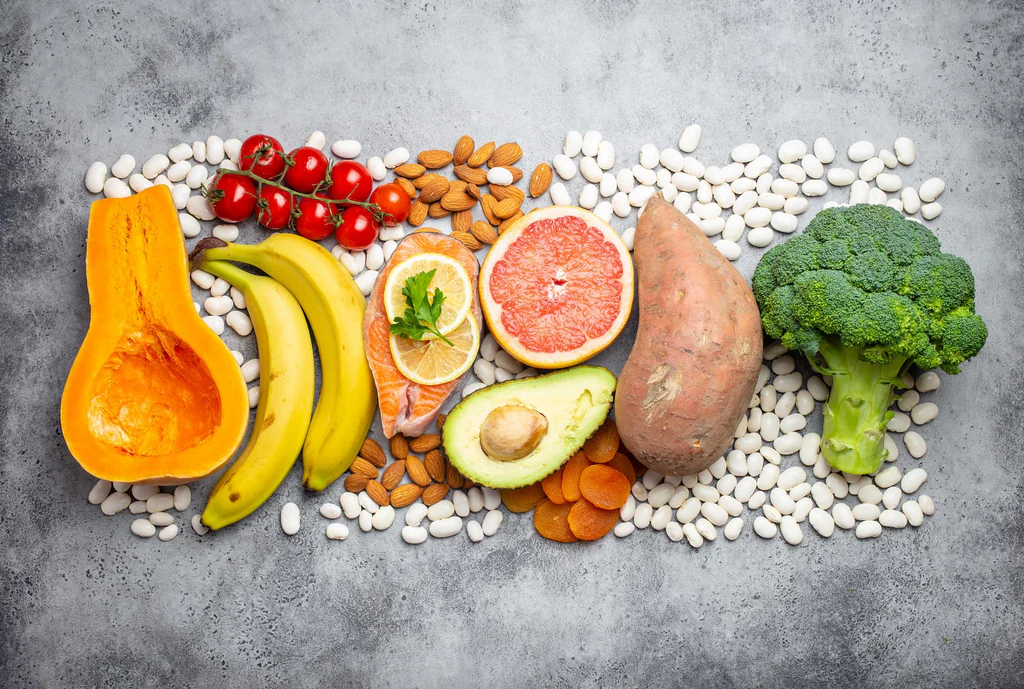
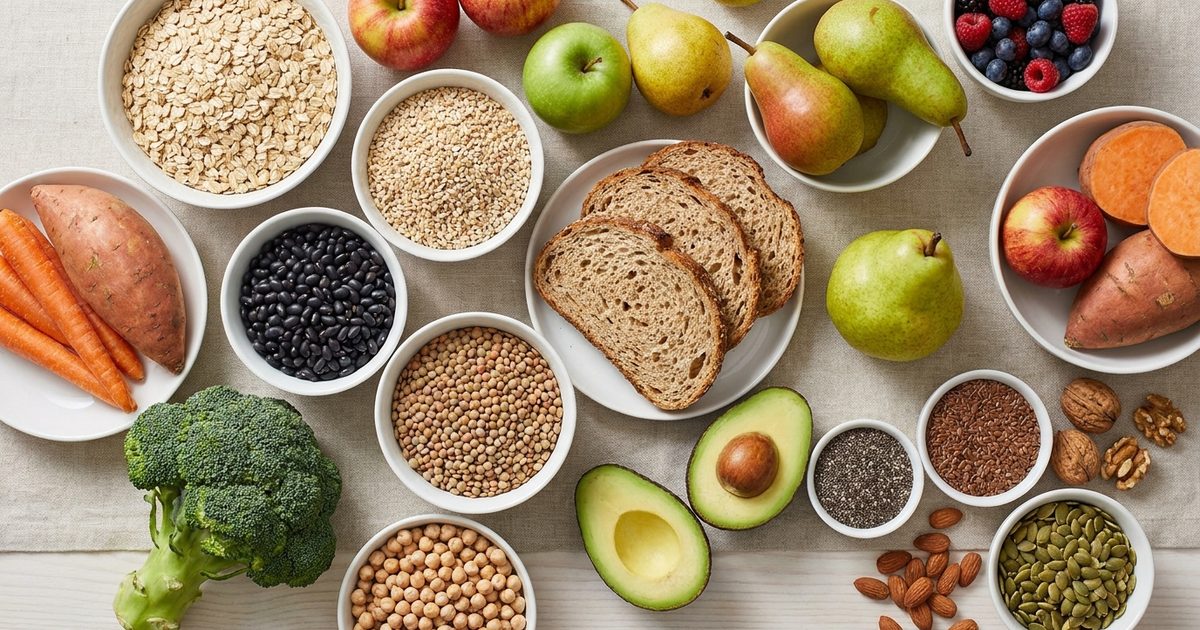
Beans, lentils, chickpeas, and peas are the absolute champions and the cheapest. Next come oats, wholegrain bread, flaxseeds and chia seeds, fruit with skin (apples, pears, plums), and vegetables (broccoli, cabbage, carrots).
Can you eat too much fibre?
Yes. Over 50–60 g per day, especially added suddenly, can cause bloating and may interfere with the absorption of some minerals. The target of 25–30 g is sufficient for most people.
Do I need to take fibre supplements?
Not necessarily. If you can reach the requirement from food, that’s always better. Supplements are useful only as an aid when diet doesn’t cover the requirement.
Fibermaxxing isn’t another weight loss trend promising miracles. It’s actually a new name put on advice as old as time: eat more beans, more vegetables, and more whole grains. The difference is that people are actually applying it this time — and they can do so with foods they already have in the cupboard. Start with just one meal a day where you add a good fibre source and build from there. If you want a concrete plan, see how to increase fibre intake at every meal.
⚕️ The information in this article is for educational purposes only and does not replace the advice of a doctor or nutritionist. For a diet adapted to your situation, especially if you have a chronic condition, consult a specialist.