Cortisol and belly fat: how much truth is in the myth
“You have a belly because your cortisol is high.” You’ve probably heard that phrase — from an influencer, in an ad for supplements, or from someone you know. Cortisol, the so-called “stress hormone,” has become the favourite scapegoat for abdominal fat and, not coincidentally, the reason all sorts of “anti-cortisol” pills are sold to you. As usual when a single thing is blamed for everything, the truth is more nuanced.
Let’s separate what’s real from what’s marketing: what cortisol does, whether it really puts fat on your belly, and what you can actually do — without spending money on useless supplements.
What cortisol is and why you need it
First, an important correction: cortisol is not a “bad hormone.” It’s an essential hormone, without which you couldn’t function. It wakes you up in the morning (it has a natural peak at first light), regulates your energy, blood pressure, immune response, and helps you react in demanding situations. The problem isn’t cortisol itself, but cortisol that’s chronically elevated — meaning long-term stress that never switches off.
How much truth is there in the link to abdominal fat
Here’s the nuanced part. There is a real, if indirect, link between chronic stress and abdominal fat — and it’s supported by research. Constantly elevated cortisol can promote fat deposition in the abdominal area (the “visceral” fat, around the organs) and can increase appetite, especially for sweet and fatty foods.
But — and this is the crucial point — cortisol doesn’t create fat from nothing. It doesn’t break the laws of physics. You still gain weight from a calorie surplus. The real mechanism by which stress makes you gain weight is primarily behavioural: when you’re chronically stressed, you eat more (emotional eating), choose worse food, sleep worse, and move less. All of these create the caloric surplus. Cortisol is a factor that tips the scales, not a magical force that manufactures belly fat.
The myth: “anti-cortisol supplements melt belly fat”
This is the myth to avoid, because it costs you money for nothing. Many products are sold that promise to “lower cortisol” and “melt abdominal fat.” The evidence that these supplements make any real difference to weight loss is weak to non-existent. There is no pill that solves your stress or burns your belly by reducing a hormone.
Furthermore, fat “melts” in exactly the same way as anywhere else: through a calorie deficit. You can’t choose to burn fat only from your belly (localised weight loss is also a myth), however much ads may promise.
What you can actually do about stress
The good news: even though supplements don’t help, the things that reduce chronic stress genuinely do make a difference — and they’re free. Not because they “magically lower cortisol,” but because they break the behavioural cycle that makes you gain weight.
- Sleep. It’s the most important and most overlooked factor. Poor sleep increases both cortisol and appetite. A regular sleep schedule does more than any supplement.
- Movement. Exercise is a natural stress regulator and, on top of that, burns calories and preserves muscle. A simple daily walk helps noticeably.
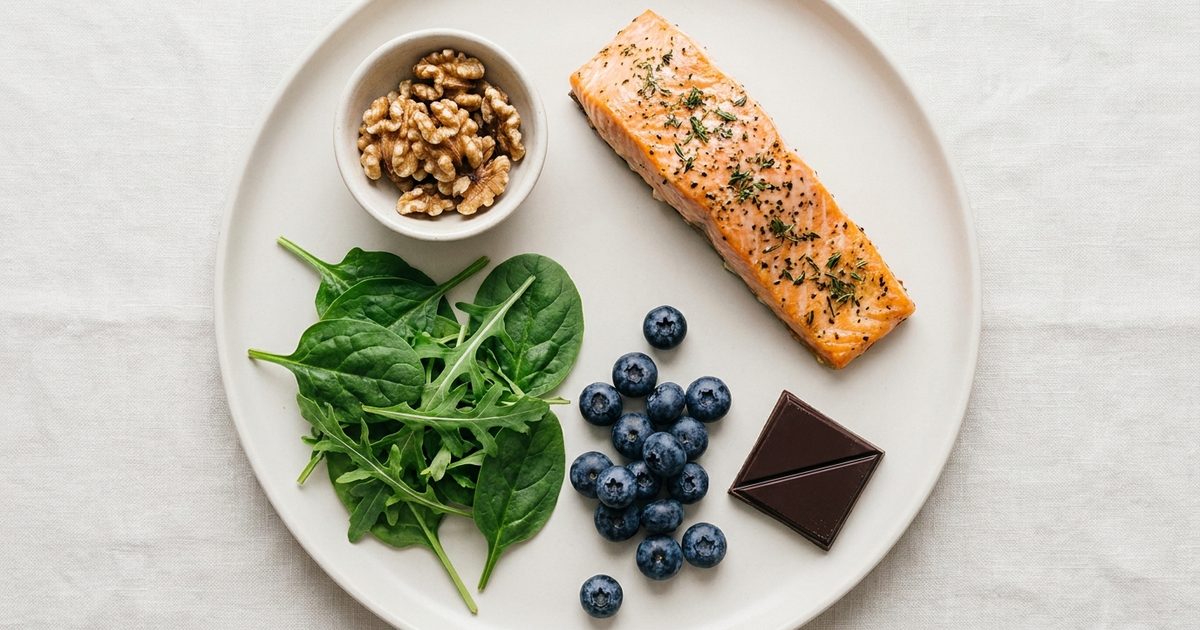
- Meals built around protein and fibre. They keep you full and reduce sudden cravings at moments of stress — exactly when you give in most easily.
- Real breaks. Simple relaxation techniques, time in nature, disconnecting from screens — anything that lowers your chronic tension level also helps your figure indirectly.
Notice that none of these cost anything and none of them are a “secret.” They’re the same basic healthy habits, just viewed through the lens of stress.
Frequently asked questions
Does stress really make you gain weight?
Indirectly, yes. Chronic stress increases appetite, affects sleep and food decisions, and can promote abdominal fat deposition. But it makes you gain weight through the caloric surplus it provokes, not through hormonal magic.
Is it worth measuring my cortisol?
For most people, no — and it’s not something you decide on your own. Cortisol testing makes sense only in a medical context, when a doctor suspects a real problem (such as an adrenal gland condition). It’s not a routine test for “why do I have a belly.”
Do supplements with ashwagandha or others lower cortisol and help with weight loss?
Some plants are studied for effects on stress, but the evidence for weight loss is weak. Don’t rely on them as a solution; they add at most a minor extra on top of sleep, movement, and diet, which remain the foundation.
Can I lose weight only from my belly by reducing stress?
No. Localised weight loss doesn’t exist. By reducing stress and calories, you lose weight throughout your body, including the belly — but you can’t choose the area.
How do I know if stress is sabotaging my weight loss?
A few typical signs: you eat more in the evening or when tense, you have frequent sweet cravings in difficult moments, you sleep poorly and wake up tired. If you recognise yourself, the problem isn’t a hormone to measure, but emotional eating patterns and sleep — exactly what you can change without pills.
Does emotional eating relate to cortisol?
Yes, indirectly. Chronic stress and elevated cortisol are associated with increased cravings for “comfort” foods rich in sugar and fat. Recognising emotional eating moments and replacing them with another outlet (a walk, a phone call, a few minutes of breathing) helps more than any “anti-cortisol” supplement.
Does intense cardio lower or raise cortisol?
Moderate exercise helps with stress regulation, but very intense and very frequent training without sufficient recovery can raise cortisol. This doesn’t mean avoiding movement — it means rest and sleep are part of the equation. More sport without recovery isn’t automatically better.
Cortisol is neither innocent nor the all-powerful villain in the ads. Chronic stress does genuinely make weight loss harder, especially in the abdominal area, but through behavioural mechanisms you can directly influence: sleep, movement, good meals, and a deficit. No “anti-cortisol” pill replaces these things — and, fortunately, they cost nothing.
⚕️ This information is for educational purposes only and does not replace medical consultation. For real hormonal problems, see a doctor.