
Berberine and glucomannan for weight loss: what the science says, beyond the hype
On TikTok, berberine has been dubbed “nature’s Ozempic,” and glucomannan appears in ads as the fibre that “curbs cravings” and melts kilograms. Two supplements, the same implicit promise: you lose weight without changing much. This article looks at both neutrally — what studies show, what they don’t show, and why neither is the shortcut ads suggest.
A useful spoiler from the start: no supplement cancels the basic rule. Weight loss comes from a calorie deficit. At best, a supplement can help you marginally maintain that deficit. “Marginally” is the word that marketing wipes away.
Berberine: why the “nature’s Ozempic” nickname is misleading
Berberine is a compound extracted from several plants, used for centuries in traditional medicine. Modern research has focused mainly on its effect on blood glucose and insulin sensitivity, plus on cholesterol — not on weight loss as such. Some studies show a modest reduction in weight, but usually in people with metabolic issues and in the context of a diet, not as a standalone effect.
The “nature’s Ozempic” nickname is the problem. It implies that berberine does what GLP-1 injectable medications do, just “naturally.” False. It works through completely different mechanisms, and the magnitude of the effect isn’t remotely comparable. It’s like calling a bicycle “the poor person’s aeroplane” — both get you somewhere, but they’re not the same category.
There’s also an aspect that ads omit: “natural” doesn’t mean “harmless.” Berberine is pharmacologically active. It can cause digestive disturbances (cramps, diarrhoea, constipation), it can lower blood glucose — which becomes risky if you’re already on diabetes medication — and it can interact with a wide range of medications, because it influences the liver enzymes that process them. It’s not recommended during pregnancy or breastfeeding. Precisely because it “does something” in the body, it’s not a pill to take casually based on an internet clip.
Glucomannan: the fibre with a real scientific basis, but with a warning
Glucomannan stands on somewhat more solid ground. It’s a soluble fibre extracted from konjac root, and — unlike most weight loss supplements — it actually has an approval from the European Food Safety Authority (EFSA): it contributes to weight loss in the context of a calorie-restricted diet, at a dose of approximately 3 grams per day, divided into three doses, taken with water before meals.
The mechanism is simple and honest: the fibre absorbs water and swells in the stomach, creating a feeling of fullness that makes you eat less at the next meal. In other words, it doesn’t “burn” anything — it just helps you eat less. And notice the condition in the approval: “in the context of a calorie-restricted diet.” Without a deficit, the fibre does nothing spectacular.
The warning is real and worth emphasising: because it swells with water, glucomannan must be taken with plenty of liquid. Swallowed dry or with too little water, it can swell prematurely and presents a choking risk or blockage. It can also cause bloating and gas, especially at first. It’s not dangerous if used correctly, but “correctly” includes rules — not just swallowing a capsule in a hurry.
The common myth that both sustain
Both berberine and glucomannan feed the same illusion: that there’s a pill that does the work for you. To be direct — even if each has a real effect, it’s small and conditional. Glucomannan makes you feel slightly fuller; berberine marginally helps glucose metabolism. Neither gets you out of needing to eat less than you consume.
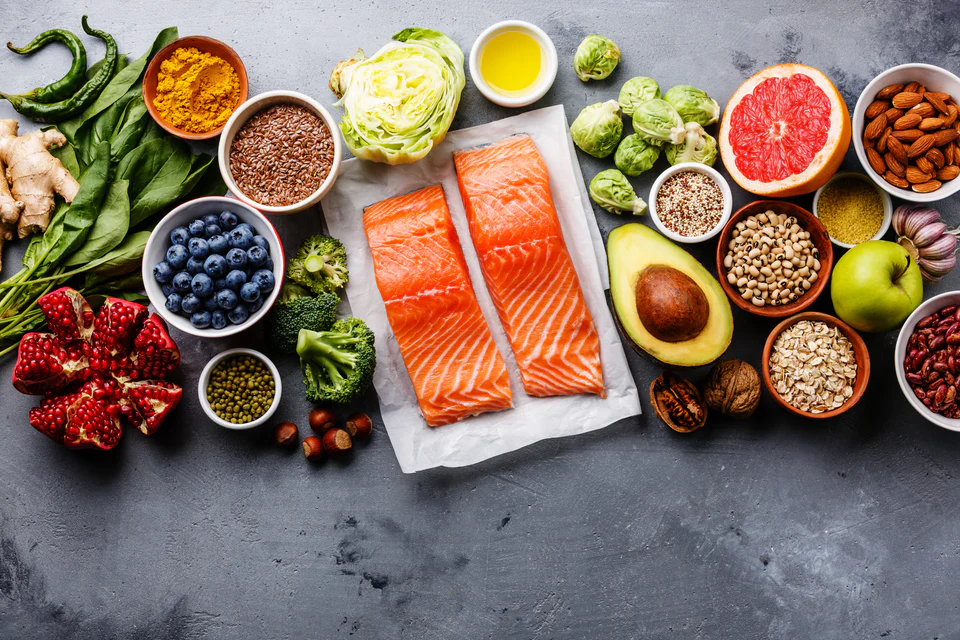
The honest comparison: a portion of beans or lentils gives you fibre, keeps you full for hours, and costs very little — while a jar of glucomannan capsules costs many times more for a similar effect. And for blood glucose, a 20-minute walk after a meal does, for many people, at least as much as a berberine capsule. Supplements can be a plus. They can’t be the foundation.
There’s also an aspect ads never mention: supplements are not regulated the same way as medications. That means the actual dose in a capsule, the purity, and even the presence of the promised ingredient vary from brand to brand, without the strict control applied to a drug. Two jars of “berberine” from the same shelf can contain different amounts of active substance. When something is powerful enough to influence your blood glucose, that lack of standardisation isn’t a minor detail — it’s one more reason not to rely on it and to ask a specialist.
How you would use them, if you still want to try
If you decide to try them, at least do so informed. Glucomannan only makes sense accompanied by a lower-calorie diet and plenty of water; alone, it’s wasted money. Berberine, being pharmacologically active and full of interactions, is the kind of supplement you should genuinely discuss with a doctor or pharmacist first — especially if you’re on any other treatment. Not because “that’s what you’re supposed to say,” but because it can alter the effect of your medications.
And regardless of what you choose, lay the foundations first: a realistic calorie deficit, protein, fibre from real food, sleep, and movement. See also our article on injectable weight loss medications, where we explain why decisions in this area always belong to a specialist.
Frequently asked questions
Is berberine really like Ozempic?
No. It’s a marketing nickname. Berberine influences blood glucose and insulin sensitivity through different mechanisms, with an effect far smaller than GLP-1 medications. Comparing the two is misleading.
Does glucomannan make you lose weight?
Indirectly and modestly. It fills you up, so you may eat less — but only in the context of a calorie-restricted diet, taken correctly with plenty of water before meals. It doesn’t burn fat on its own.
Are these supplements safe?
They can have side effects. Berberine can cause digestive disturbances, can lower blood glucose, and interacts with many medications. Glucomannan presents a choking risk if taken without enough liquid. “Natural” does not mean “risk-free.”
Are they worth the money?
For most people, fibre from food (beans, lentils, oats, vegetables) and a deficit-based diet do the same job, cheaper. Supplements can at best be an occasional aid, not the solution.
The core idea remains unchanged, however appealing a new name sounds: there’s no capsule that replaces a moderate plate and a little movement. Berberine and glucomannan may each have a small role — but the lead role is still played by you, through what you put on your plate every day.
⚕️ This information is for educational purposes only and does not replace the advice of a doctor or pharmacist. Supplements can interact with medications or be contraindicated in certain conditions — seek specialist advice before using them.